









Livestock and Fisheries Power India’s Agricultural Export Growth
India’s agricultural export landscape is undergoing a significant transformation, with the livestock and fisheries sectors emerging as the primary engines of growth. These sectors, which now account for roughly 40% of India’s agricultural GDP—up from 30% a decade ago—have eclipsed traditional field crops in international trade performance.
Data from the Department of Commerce reveals that marine products and buffalo meat currently stand as India’s two most valuable agricultural export commodities. During the first half of the current fiscal year (April–September), total farm exports reached $27.1 billion, a 4.7% increase over the same period in 2025. While many traditional commodities saw stagnant or declining performance, animal products surged: marine exports grew by 13.2% to $4.5 billion, and buffalo meat exports skyrocketed by 53.8%, reaching $3.4 billion.
The Resurgence of Buffalo Meat
The performance of buffalo meat is particularly noteworthy, marking a robust recovery from a mid-decade slump. After dipping to $3.2 billion in 2022-23, exports have rebounded sharply, exceeding the $5-billion mark last fiscal year and remaining on track to surpass $6.5 billion in 2026-27.
Beyond volume, the industry has seen a marked improvement in value realization. The average export price per tonne has climbed steadily, rising from $2,716 in 2022-23 to over $4,368 in the first half of the current fiscal year. This upward trajectory highlights a shift in international perception; Indian buffalo meat is increasingly viewed as a high-quality product rather than a budget-friendly substitute. Stricter government mandates, which limit exports to certified processing plants meeting rigorous hygiene and infrastructure standards, have been pivotal in gaining this market access across Southeast Asia, the Middle East, and Central Asia.
Marine Exports Maintain Momentum
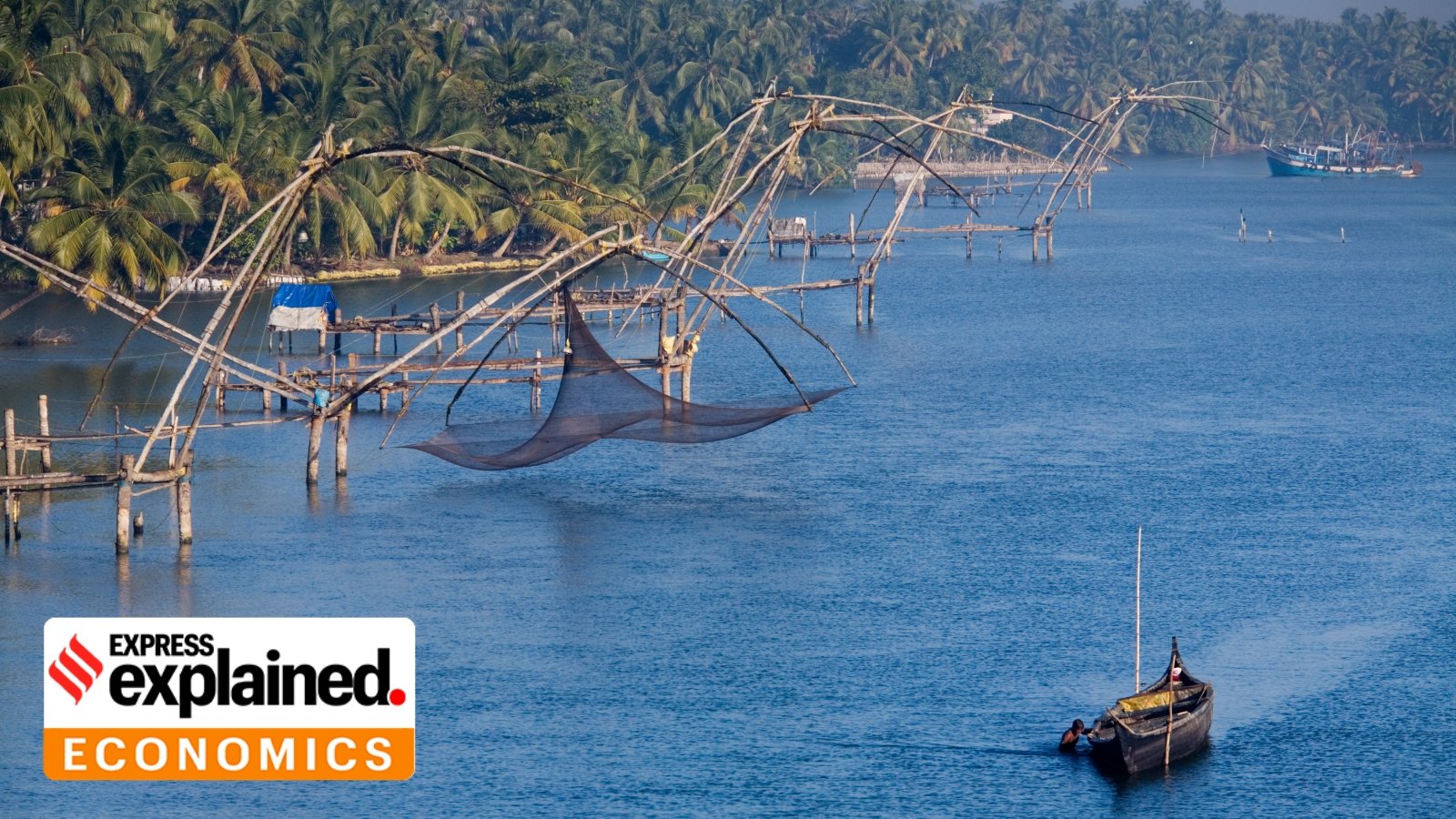
Marine products continue to be a powerhouse for the economy, hitting a record $8.4 billion in the 2025-26 fiscal year. This resilience was particularly striking given the tariff challenges posed by the U.S. market. While shipments to the United States faced hurdles, Indian exporters successfully diversified their reach, expanding into key markets such as Japan, China, Thailand, and Russia. This global footprint has allowed the sector to maintain growth even amidst shifting geopolitical trade policies.
Challenges in Field Crops and Imports
While animal-based products thrive, the outlook for traditional field crops is more tempered. Many staple exports, including non-basmati rice, spices, and oilseeds, have faced low or negative growth during the first half of this year. Simultaneously, India’s import profile is changing.
The nation has shifted from being a massive exporter of cotton to a net importer, largely due to stagnant domestic yields and the absence of breakthrough, technology-driven crop improvements. Furthermore, the specter of an intensifying El Niño has prompted concerns regarding domestic production of pulses and oilseeds. To combat potential inflationary pressures and supply shortages, the government has already moved to reduce import duties on edible oils and permitted duty-free imports for essential commodities like sugar and pulses.
As India navigates these climate-sensitive risks, the structural shift toward livestock and fisheries appears to be providing a vital buffer for the agricultural economy, ensuring that export earnings remain resilient despite the volatility facing traditional staples.
Disclaimer: This content is auto-generated for informational purposes only.
Source: Read Original News