









BRICS Parliamentary Forum Calls for Urgent UNSC Reform and Global “Zero Tolerance” on Terrorism
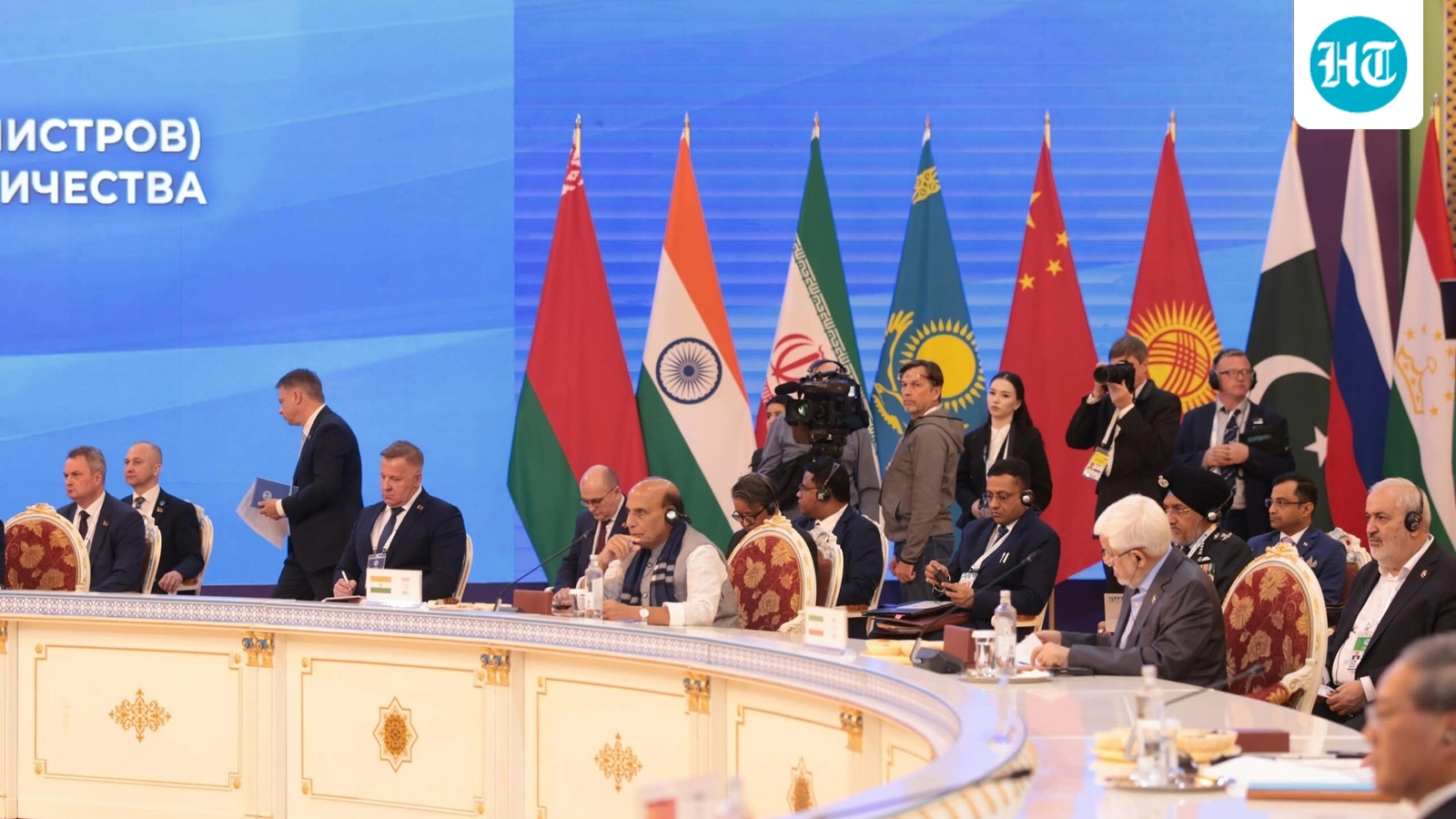
New Delhi: The 12th BRICS Parliamentary Forum concluded in the national capital on Tuesday, marking a significant milestone in multilateral cooperation. The two-day event, which drew presiding officers and senior parliamentary delegates from across the BRICS bloc and partner nations, culminated in a robust joint declaration that advocates for a fundamental restructuring of global governance and a unified stance against terror.
Lok Sabha Speaker Om Birla, who presided over the forum, officially handed over the chairship to China, which is set to host the BRICS summit in 2027. In his concluding remarks, Birla underscored the necessity of prioritizing diplomacy over military aggression, asserting that enduring stability can only be achieved through collaboration and mutual respect for national sovereignty.
Pushing for UN Reform and Global South Representation
A central theme of the summit was the demand for a more democratic international order. The joint declaration explicitly called for comprehensive reforms to the United Nations Security Council (UNSC). Member nations argued that the current structure of global decision-making institutions is outdated and fails to reflect the realities of the modern world.
By advocating for increased representation for the Global South, the BRICS nations aim to ensure that the international system becomes more inclusive, efficient, and equitable. The declaration also highlighted the intent to leverage international platforms, such as the Inter-Parliamentary Union (IPU), to amplify the collective voice of developing nations on the world stage.
A Unified Stance Against Terrorism
The forum adopted a stringent position on regional and global security, specifically addressing the menace of terrorism. The joint declaration featured a strong condemnation of the April 22, 2025, Pahalgam attack, which claimed 26 civilian lives. In response to such violence, the participants demanded a policy of “zero tolerance” toward terrorism.
The bloc explicitly called for the dismantling of terror financing networks, the elimination of safe havens, and an end to the movement of militants across borders. Furthermore, the declaration criticized the existence of “double standards” in international counter-terrorism policies, urging a more consistent and decisive global approach to safeguarding human life.
Digital Sovereignty and Technological Cooperation
Recognizing the rapid evolution of the global technological landscape, the forum prioritized discussions on artificial intelligence and digital infrastructure. The member nations proposed the creation of a dedicated repository for digital public infrastructure to share resources and best practices.
The declaration emphasized the importance of “digital sovereignty,” urging member states to bolster their national technological ecosystems. This involves protecting data privacy and ensuring that personal information remains secure as nations integrate more deeply into the digital economy.
Climate Action and Middle East Stability
On the environmental front, the forum reaffirmed the commitment to the 2030 Agenda for Sustainable Development. Member nations stressed the importance of the principle of “common but differentiated responsibilities,” ensuring that climate mitigation efforts remain fair for developing economies.
The forum also addressed the volatile situation in the Middle East. Expressing deep concern over escalating regional tensions, the representatives called for the protection of civilians and a return to diplomatic dialogue. The declaration reiterated support for a two-state solution to the Israeli-Palestinian conflict, viewing it as the only pathway to lasting peace and security in the region.
As the forum drew to a close, Speaker Birla emphasized that the role of modern legislatures must evolve. He urged his counterparts to ensure that parliaments become more transparent and citizen-centric, utilizing digital tools to enhance public engagement and research. He concluded by reminding delegates that history would judge current leaders by their ability to provide safety, justice, and a prosperous future for the next generation.
Disclaimer: This content is auto-generated for informational purposes only.
Source: Read Original News