







Every moment of every day, our world is abuzz with countless dialogues unfolding in languages entirely alien to human perception. While the melodious chorus of birdsong is readily identifiable, and the intricate “waggle dances” of honeybees have garnered some recognition, an entire universe of communication exists beneath our awareness. Imagine a spider meticulously tuning its web to discern the slightest vibration from potential prey, or the subtle yet potent allure of pheromones wafting from a passing beetle, a silent declaration of intent. We often traverse landscapes teeming with these critical, intricate exchanges, utterly oblivious to their profound significance.
To truly immerse oneself in the realm of invertebrate communication is to unlock a profound understanding of their remarkable intelligence and sophisticated social structures. These tiny architects and strategists engage in complex discussions spanning food acquisition, the meticulous coordination of nest construction, the fierce defense of territory, the elaborate rituals of mate attraction, and the dedicated care of their young. Spiders, for instance, possess an extraordinary auditory system; they “hear” through the delicate vibrations transmitted along the silken threads of their webs, employing specialized sensors on their legs. With remarkable precision, they manipulate these silk strands, much like a musician fine-tunes a guitar. By adjusting tension, loosening, or even reconnecting individual threads, spiders can alter the pitch and resonance of their web, allowing them to precisely identify who or what is traversing their silken domain – be it a potential suitor, a succulent fly destined for a meal, or a larger, predatory insect.
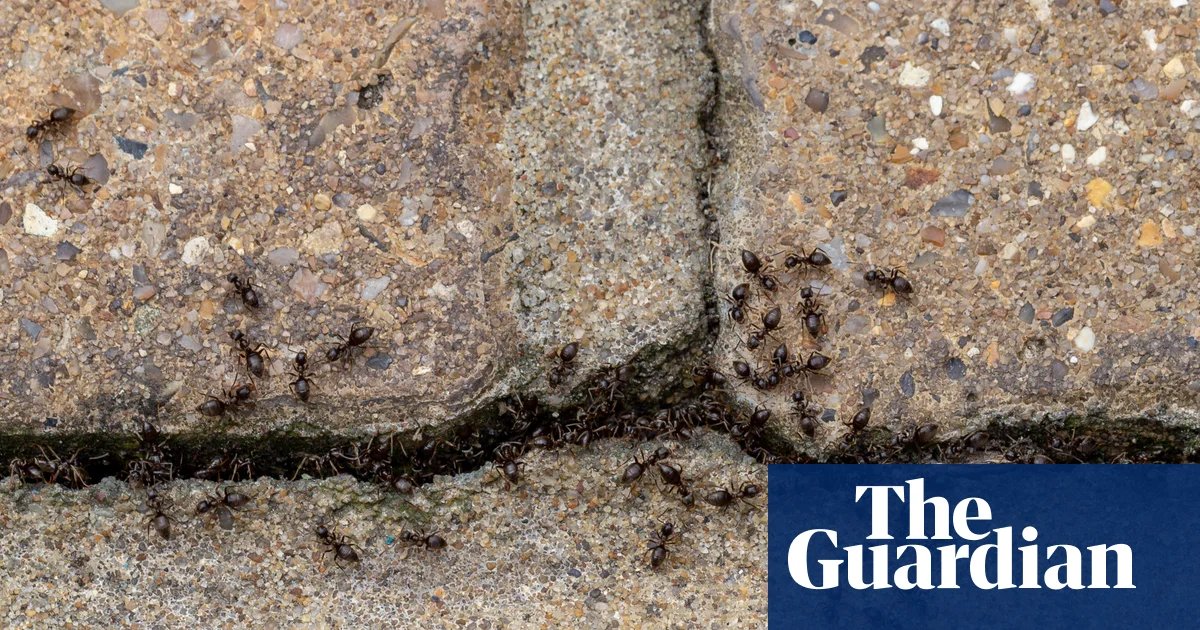
The language of scent, facilitated by complex ranges of chemicals known as pheromones, is another cornerstone of invertebrate communication. Moths, masters of chemical concoction, craft alluring perfumes to attract mates across significant distances. Ants, exemplifying cooperative living, meticulously lay chemical trails, guiding their nest-mates to newly discovered food sources. A fascinating example of intricate chemical communication can be found in burying beetles, who engage in shared parenting. They utilize a combination of chemical signals and tactile interactions to converse and coordinate their efforts in caring for their larvae within the protective confines of a carefully prepared carcass nursery.
Mimicry, a cunning form of deception, serves as a powerful communication tool within the insect world. We are familiar with the hoverfly, a master of disguise, whose yellow and black stripes convincingly imitate those of a wasp, effectively deterring predators like birds who wish to avoid a painful sting. However, the sheer ingenuity of mimicry extends far beyond simple coloration. Some spiders and moths have evolved to mimic ants in their morphology, scent, and movement, allowing them to infiltrate ant nests, living and feeding rent-free within these bustling colonies. Other insects seamlessly blend with their surroundings, adopting the appearance of tree bark or leaves to evade detection by predators. Praying mantises, for example, can perfectly replicate the appearance of flowers, enabling them to lie in wait, perfectly camouflaged, before ambushing unsuspecting prey.
One of the most captivating examples of this intricate communication involves the butterfly caterpillar, which employs a two-tone song to integrate seamlessly into ant nests. These cunning larvae first trick ants into carrying them into the nest by mimicking the scent of ant babies. Once inside, they emit sounds so uncannily similar to those of ant larvae that unsuspecting worker ants diligently feed and protect them as their own.
The fascinating sphere of interspecies communication extends beyond the invertebrate realm. Trees, for example, actively communicate with bees, employing a sophisticated array of signals. They utilize vibrant colors and specific ultraviolet light patterns to attract and guide pollinators to their flowers. Furthermore, trees release chemical cues, generate electrical signals, and even convey information through their seasonal changes, all to inform bees of their needs and readiness for pollination. The intricate dance between plants and insects is often one of mutual benefit, highlighting the profound interconnectedness of ecosystems.
Some plants have even developed remarkable strategies to recruit allies in their defense. They actively beckon predatory insects, such as crab spiders, to attack other bugs that are causing them harm. The symbiotic relationship between the fig tree and the fig wasp exemplifies an astonishing level of intimacy. Each species of fig tree possesses a unique olfactory signature, a specific perfume designed to attract its exclusive species of fig wasp. The diminutive female wasps undertake a perilous journey, crawling through a minute opening in the fig flower – which is, in fact, a cluster of flowers encased in a protective sac. Often, they must sacrifice their wings to navigate this narrow passage, carrying pollen from another fig tree with them. Within the confines of this fig, an entire wasp life cycle unfolds, culminating in the juicy fruit we eventually consume.
These complex relationships, forged over millions of years of evolution, allow invertebrates to optimally inhabit their ecological niches, collaborating with each other and the broader natural world. However, this intricate web of communication is not solely about harmonious cooperation. A significant portion of these interactions, ranging from pugilistic ants to territorial worms, revolves around establishing dominance, repelling threats, securing mates, and safeguarding valuable resources like territory, offspring, and food.
Scientists continue to unravel the astonishing details of these countless conversations and intricate relationships, recognizing that without them, ecological chaos would undoubtedly ensue. Regrettably, human interference, whether through the construction of roads, the release of harmful chemicals, or the pervasive impact of climate change, severely disrupts these vital communication networks, leading to grave consequences for both wildlife and humanity itself.
While we have no evidence to suggest that invertebrates compose poetry or exchange emails, the subtle artistry of a butterfly’s camouflaged wing, the fervent head-banging courtship ritual of a beetle, or the sophisticated messaging between a termite and its cultivated fungus should compel us to reconsider any notion of human communication’s inherent superiority. The natural world teems with languages far older, more nuanced, and equally profound as our own.