







Calderdale Enters “Prolonged Dry Weather” Status as Drought Concerns Mount Across UK
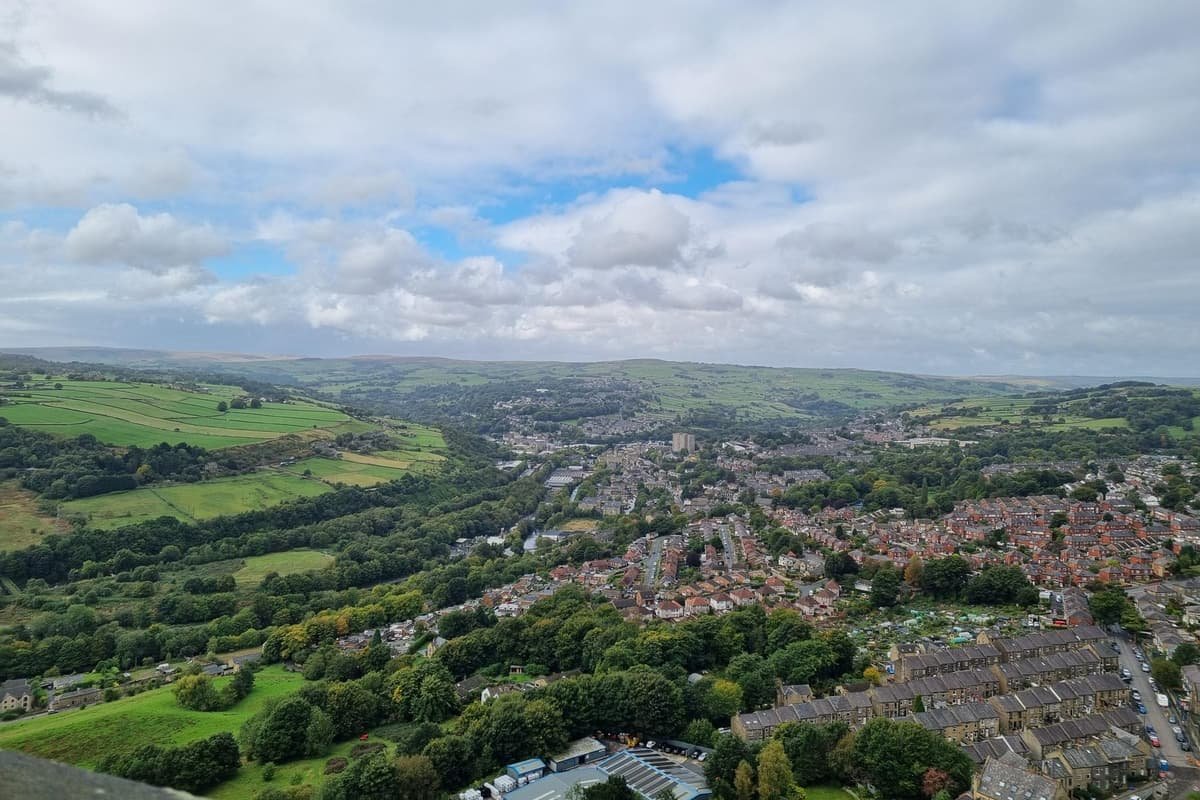
The Environment Agency (EA) has officially declared a “prolonged dry weather” status for Calderdale, placing the region one critical step away from official drought conditions. This significant announcement, made yesterday evening (Monday), extends to the entirety of Yorkshire and the North East, joining a growing list of affected areas including Cumbria, Lancashire, Greater Manchester, Merseyside, and Cheshire.
The move comes as England experiences its driest July since records began in 1836, with an alarming nearly three-quarters of the country now grappling with drought conditions. This marks a disturbing trend, with the current dry spell representing the third drought in just the last five years, following similar events in 2022 and 2025.


Tony Grayling, Strategic Drought Lead at the Environment Agency and Chair of the National Drought Group, issued a stark warning regarding the escalating situation. “Drought conditions are worsening and will continue to do so until we see significant and sustained rainfall,” Grayling stated. He highlighted the severe consequences already being felt across the country, noting, “We know the hot and dry weather is taking a real toll on farming and there will be long-lasting impacts on our environment.”
Grayling further emphasized the critical role of public cooperation in mitigating the crisis. “We want everyone to stay safe and hydrated over the summer, but we need everyone’s help in using a little less water to make sure our current water reserves last. Every drop we can save is a drop more for your local farmers, local wildlife and local rivers.” This plea underscores the collective responsibility in conserving dwindling water resources.
Adding to the concern, Sarah Davies, Head of Environment and Energy at the Met Office, provided further context on the extreme weather patterns. “July 2026 was one of the most remarkable months in the UK’s climate record,” Davies commented. “England and Wales both recorded their driest and sunniest July on record, together with periods of exceptionally high temperatures. These conditions have significantly increased pressure on water resources in some parts of the country and contributed to the ongoing drought concerns.”
The outlook for the immediate future offers little respite. Davies continued, “Looking ahead, forecasts for the remainder of August and into September suggest a good deal of dry weather is expected, mixed with some unsettled spells. While some areas may see useful rainfall at times, there is currently no strong signal for a sustained period of widespread rainfall, with below average rainfall more likely than above-average for the period as a whole.”
The Met Office is committed to collaborating with key stakeholders. “The Met Office will continue to work closely with partners through the National Drought Group, providing forecasts and climate intelligence to support planning and decision-making as conditions evolve,” Davies confirmed, highlighting the coordinated effort required to navigate this challenging environmental period.