








A Visual Record of Shared History: Tate Receives Rare Collection of 18th and 19th Century Indian Art
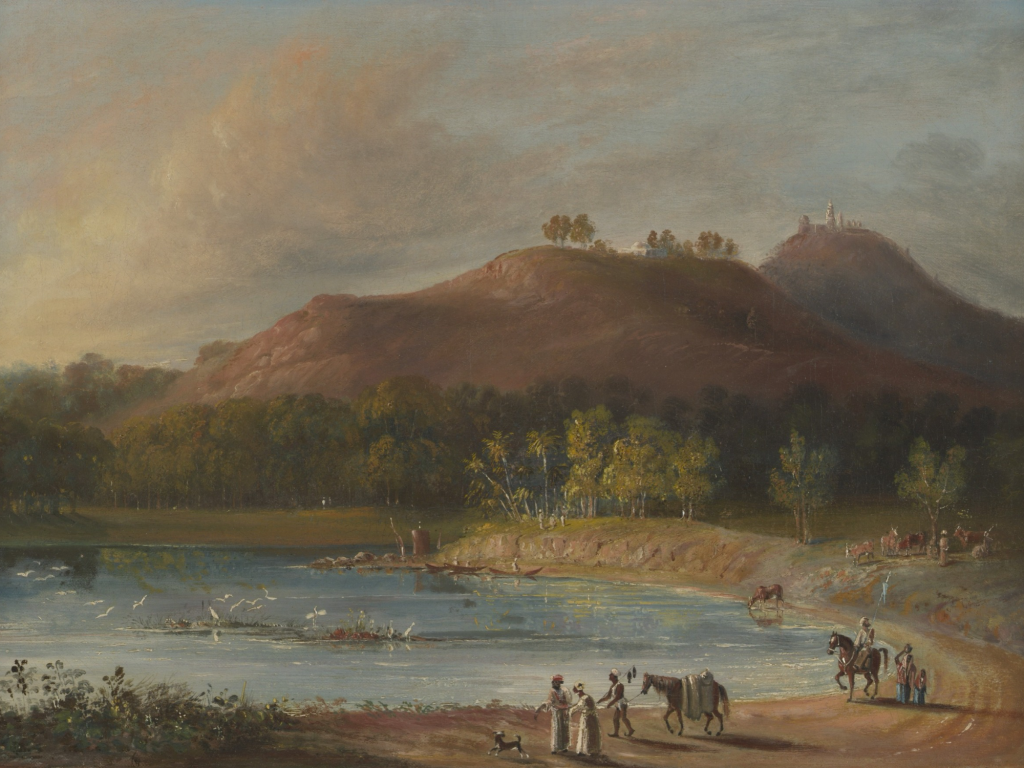
In a major development for the preservation of colonial-era artistic heritage, the Tate has announced the acquisition of a significant collection of Indian art. Donated by Charles Greig, a British academic and long-time specialist in the field, the gift comprises 50 distinct artworks—including miniatures, oil paintings, and watercolors—that chronicle the complex, intertwined artistic narratives of India and Britain during the 18th and 19th centuries.
The collection, which took over four decades to assemble, is being gifted to the museum as an “entirely philanthropic act.” Greig has notably bypassed tax incentives, choosing instead to transfer ownership of these pieces outright to ensure they remain preserved as a single, cohesive unit for future generations.
Bridging Cultures Through Art
The collection is remarkably diverse, showcasing the work of Indian masters who adapted to the changing tastes of East India Company officials, such as Sita Ram and Ghulam Ali Khan. These are paired with pieces by European artists like Johan Zoffany and Rudolf Swoboda, as well as the work of prominent British landscapists Thomas and William Daniell.
For Greig, the motivation behind the donation was a sense of stewardship. “At no stage did I ever see myself as other than a temporary steward,” Greig stated, emphasizing that the works represent a “vanished world” captured before the advent of photography. He expressed a deep-seated belief that these artifacts, which document the rich and often difficult history between the two nations, belong to the public.
Significant Additions to the Tate
Among the highlights of the donation is Johan Zoffany’s 1784 Portrait of Prince Jawan Bakht (Jahandar Shah). This acquisition is particularly notable as it marks one of only three portraits of individual Indian sitters by Zoffany to be held in a UK public collection. Furthermore, the museum has secured its first piece by Austrian painter Rudolph Swoboda: Sepoy in HH Maharaja Srinagar’s Indian Regiment, 23 Years Old (1886), a work originally commissioned by Queen Victoria.
These pieces offer a unique cross-cultural dialogue, blending traditional Indian techniques with European aesthetic frameworks. By bringing these works into the national collection, the Tate aims to provide a more nuanced understanding of the British Empire’s impact on global art history.
Future Prospects
Alex Farquharson, director of Tate Britain, lauded the donation for its potential to expand the museum’s narrative reach. “This gift will significantly strengthen our holdings of art produced in the British Empire and broaden the range of people and histories represented in the national collection,” Farquharson noted.
For those eager to view this historic assemblage, the museum has indicated that the collection is slated for exhibition at Tate Britain in 2028. As the art world increasingly looks toward decolonizing museum holdings and re-examining the power dynamics inherent in colonial-era art, the inclusion of these 50 works promises to provide both scholars and the public with a vital lens through which to examine a pivotal, if complex, era of history.
Disclaimer: This content is auto-generated for informational purposes only.
Source: Read Original News