








Trade Talks Collapse: Canada and US Trade Accusations as Deal Falls Through
OTTAWA — Tensions between Ottawa and Washington reached a fever pitch over the weekend after the collapse of critical trade negotiations, leaving the future of North American commerce in a state of uncertainty.
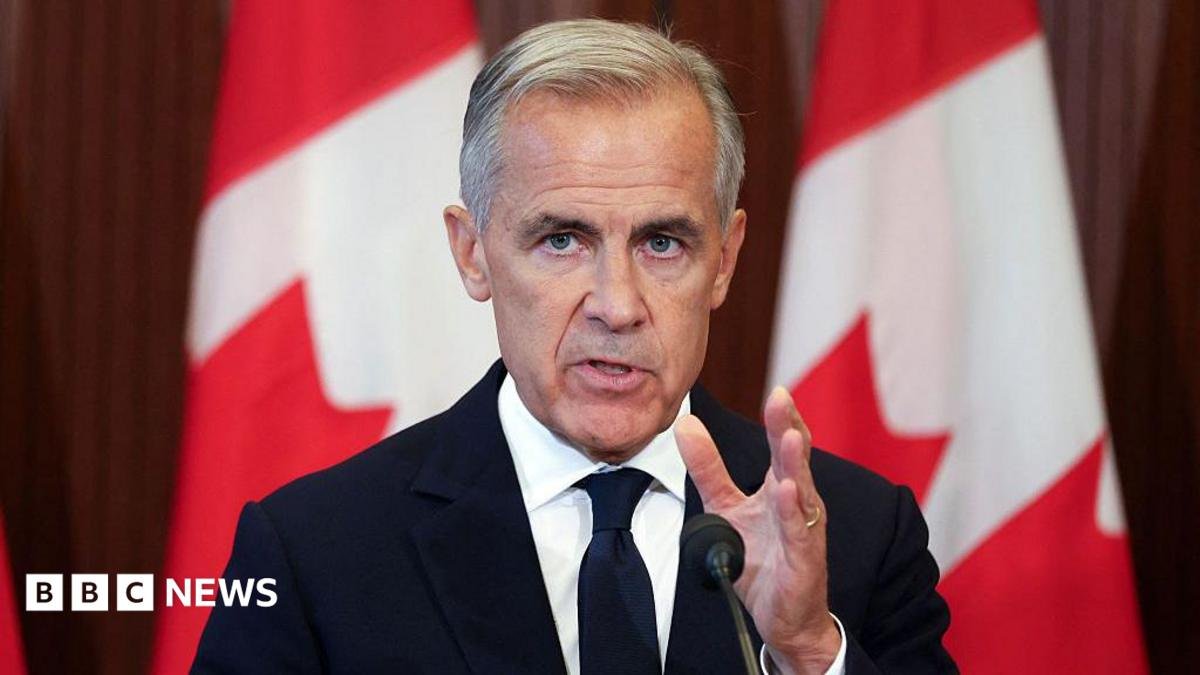
In his first public address since talks ended abruptly late Friday night, Prime Minister Carney offered a stern assessment of the breakdown. He leveled sharp criticism at US negotiators, accusing them of introducing "last-minute changes" that he described as both "unfair" and "uneconomic."
Central to the dispute, according to Carney, were demands from the US that would have severely restricted Canada’s sovereignty—specifically, provisions that sought to curb Canada’s ability to independently pursue trade agreements with other nations. "We clarified what was on offer and were continually disappointed by the answers," the Prime Minister stated, categorically rejecting US claims that Canada was responsible for eleventh-hour roadblocks.
A Blame Game Intensifies
Washington offered a starkly different narrative. US Trade Representative Jamieson Greer, speaking to Fox News on Saturday, dismissed any immediate plans to resume the stalled dialogue. Greer accused Canadian negotiators of "new demands and walk backs" regarding terms that had allegedly been settled earlier in the week.
"They’ve always had the best deal, and they still would have an even better deal, but they didn’t want that," Greer argued, noting that the US had been prepared to offer tariff relief as part of the agreement that eventually crumbled.
The Future of the USMCA
The breakdown of these bilateral talks casts a long shadow over the broader regional landscape, specifically regarding the future of the USMCA, the agreement that governs $1.6 trillion in annual trade between Canada, the US, and Mexico.
The agreement, which replaced the 1994 North American Free Trade Agreement (NAFTA) during the first Trump administration, is currently undergoing a mandatory review. While Canada and Mexico had formally moved earlier this summer to trigger a 16-year renewal of the pact, the United States has declined to move forward with the renewal in its current form.
When pressed on whether the failed negotiations would signal a death knell for the larger trilateral framework, Prime Minister Carney offered a somber prognosis, conceding that the outcome was "certainly not good news."
Protectionism vs. Global Economy
The collapse comes after more than a year of volatile, on-again-off-again negotiations that had intensified under the pressure of a US-imposed deadline. At the heart of the impasse lies the aggressive protectionist strategy championed by Washington.
Tariffs—taxes levied on imported goods—remain the cornerstone of the administration’s trade policy. Proponents argue these measures are essential to protecting domestic manufacturing and incentivizing job creation within the US. However, critics warn that the strategy has backfired, driving up costs for American consumers and creating systemic disruptions that threaten the stability of the global economy.
As of Saturday, both sides remain entrenched, with no clear path forward for reconciling their conflicting visions for North American trade.