








Delhi Police Overhauls Intelligence Framework Following Violent Protests at Jantar Mantar
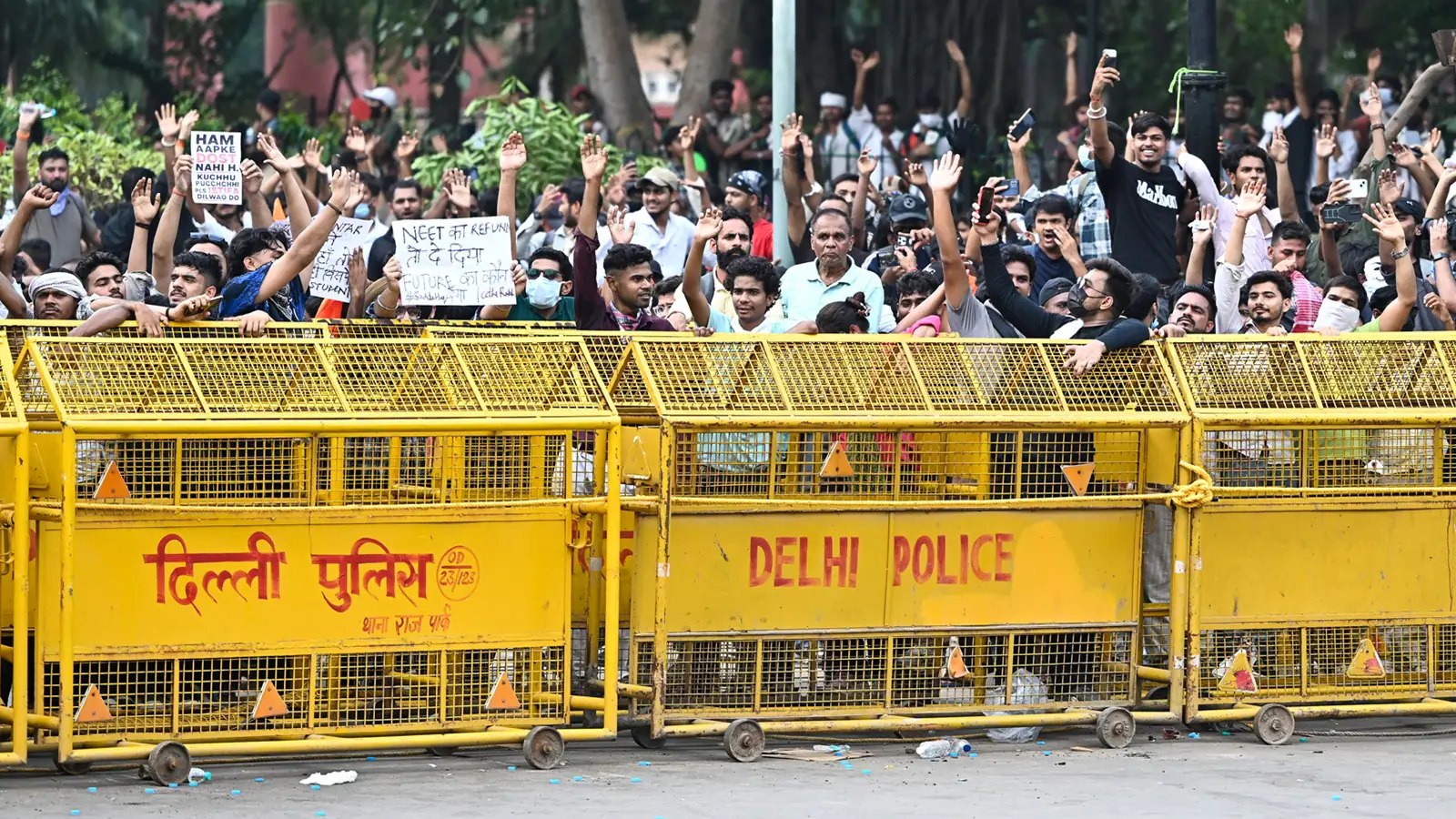
New Delhi: In the wake of large-scale unrest that gripped the national capital on July 20, the Delhi Police have initiated a comprehensive restructuring of their intelligence-gathering apparatus. The move comes as authorities look to prevent a repeat of the chaotic scenes that saw approximately 30,000 demonstrators march on Parliament.
Following the event, which resulted in violent clashes between protesters and law enforcement and drew intense public scrutiny, Police Commissioner Anurag Kumar has directed the force’s intelligence wing—the Special Branch—to adopt a more granular and proactive approach to monitoring public demonstrations.
A Shift from Venue Monitoring to Deep Intelligence
Historically, the police’s focus remained largely on the timing and location of protests. However, official sources indicate that the department felt there was a critical intelligence failure regarding the actual scale of mobilization and the underlying organizational structure of the July 20 protest.
Under the new directive, the Special Branch is tasked with analyzing at least 10 critical data points before any significant public demonstration. This shift aims to move beyond crowd estimates and venue details to include:
- Participant Profiling: Compiling detailed profiles of key participants and leaders.
- Logistical Tracking: Identifying the origin of protesters, including the number of participants arriving from specific states.
- Mobilization Tactics: Understanding the methods used by organizers to coordinate the crowds.
- Local Infrastructure: Locating where protesters are staying, their frequent haunts in Delhi, and their local points of contact.
- Affiliations and Funding: Mapping the organizational affiliations of the protest groups and identifying potential sources of funding.
These efforts are part of a broader strategic review that aims to better assess potential law-and-order risks during mass gatherings, particularly those involving participants from outside the city or multiple stakeholder groups.
Modernizing Communications
In addition to the intelligence overhaul, the Commissioner has issued strict orders to audit and improve the police’s internal wireless communication network. Officials noted that rapid and reliable information exchange between senior command and ground-level personnel is paramount. Instructions have been issued to identify and rectify any technical shortcomings in the wireless system to ensure that units are not blindsided during rapidly evolving, volatile situations.
A Balancing Act
While the measures are rigorous, sources within the Delhi Police emphasize that the goal is not to suppress the constitutional right to protest. Instead, the initiative is designed to ensure that the force is better prepared to manage public order and ensure the safety of both the citizens and the police personnel deployed on the front lines.
The move follows a period of significant pressure on the force, which included the formation of a five-member Supreme Court-appointed panel to investigate police conduct during student-led demonstrations. By deepening their intelligence scope, the Delhi Police hope to preempt violence and manage large-scale events with more foresight and precision.