








Nutritional Disparity: Why Packaged Food Products in India Face Renewed Scrutiny
The safety and composition of packaged food and beverages in India have returned to the center of a national debate following revelations that global brands often utilize vastly different formulations for Indian consumers compared to their counterparts in the United Kingdom and Europe.
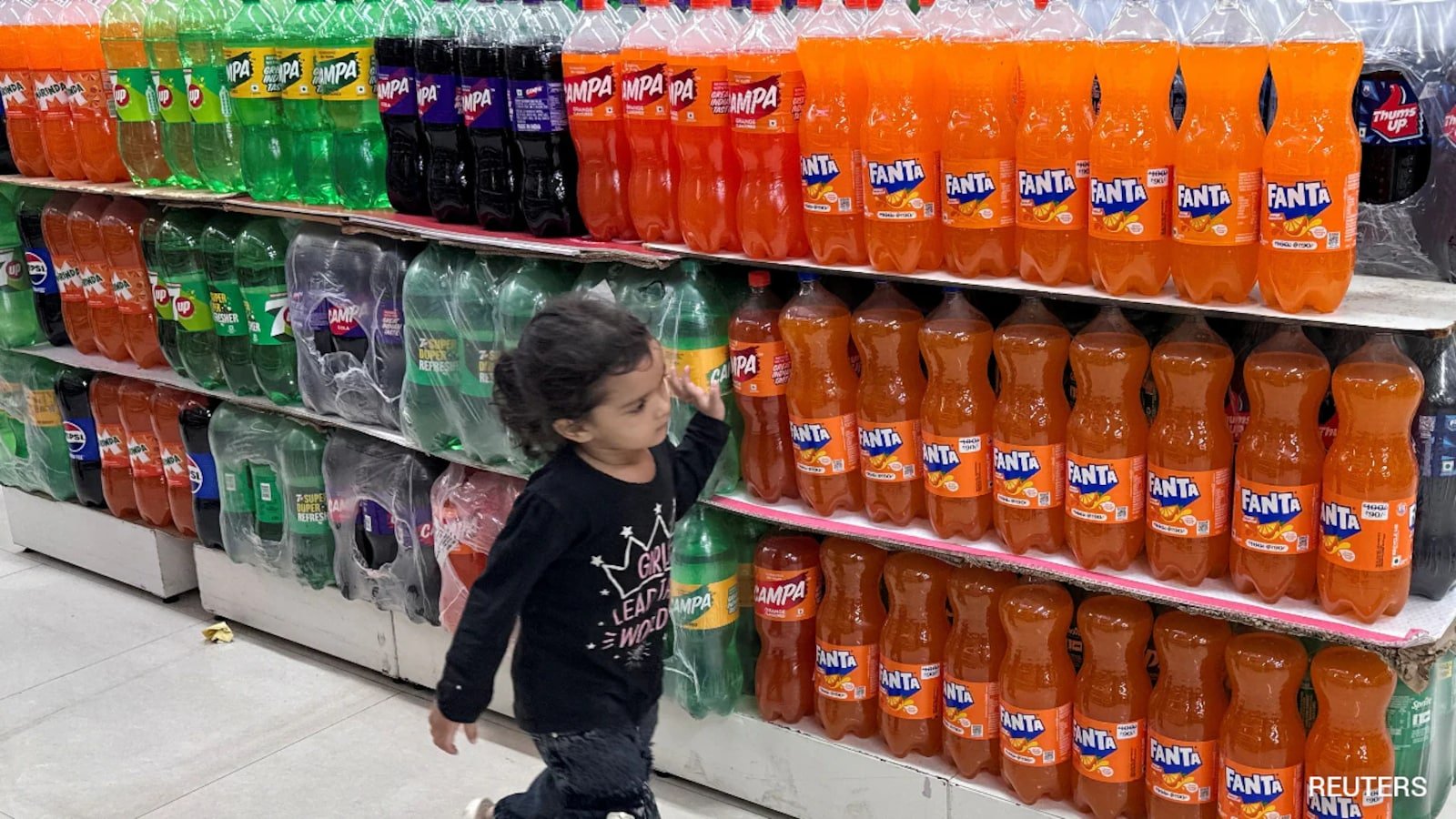
A recent report highlighted the stark differences in the nutritional profiles of popular products, most notably Fanta. While a can of Fanta sold in the UK contains significantly less sugar and avoids the use of certain artificial dyes that require prominent health warnings in Europe, the Indian version remains high in sugar and relies on additives that are often relegated to the fine print on the back of the packaging.
The Financial Incentive: Why the UK Differs
Industry experts point to the structural differences in regulatory environments as the primary driver for these discrepancies. Urvashi Agarwal, a prominent food safety educator, noted that the UK has implemented a specific cold drink tax, which creates a direct financial incentive for manufacturers to reduce sugar content.
“In the UK, the more sugar the manufacturer puts in the drink, the more tax they pay. That financial pressure is absent in India,” Agarwal explained to NDTV Profit. Consequently, while many global brands have pivoted to cleaner labels and improved ingredients in regions with stricter regulations, they continue to sell high-sugar, high-additive variants in the Indian market.
A Pattern Beyond Beverages
The trend extends beyond carbonated drinks. For instance, while versions of Maggi sold in the UK utilize sunflower oil, variants marketed in India are predominantly produced using palm oil. Furthermore, unlike in many Western markets where products high in salt are clearly marked, such warning systems are largely absent from Indian retail shelves.
Industry estimates suggest that nearly 80% of products within India’s massive $100 billion packaged food and beverage sector could be classified as high in fat, salt, or sugar (HFSS). Despite this, current Indian regulations only mandate that companies list basic nutritional information on the back of the packaging, leaving consumers with limited transparency at the point of purchase.
Regulatory Deadlock
The discrepancy has reignited criticism of the Food Safety and Standards Authority of India (FSSAI). Earlier this month, the Supreme Court of India voiced strong dissatisfaction with the regulator, issuing an ultimatum regarding the delayed implementation of front-of-pack warning labels. Such labels—often proposed as color-coded indicators—are designed to inform consumers about high levels of sugar, salt, and saturated fats at a glance.
Although Indian regulators have discussed the implementation of these warnings since 2017, industry lobbying from some of the world’s largest food conglomerates has consistently slowed progress. Critics argue that until India adopts mandatory front-of-pack labeling, the burden remains on the consumer to navigate complex ingredient lists, further complicated by the reality that healthier, “clean-label” alternatives often come at a premium price, making them inaccessible to a large portion of the population.
As the debate intensifies, the call for parity in food safety standards—ensuring that consumers in developing markets are afforded the same nutritional transparency as those in the West—is becoming increasingly difficult for regulators and corporations to ignore.