









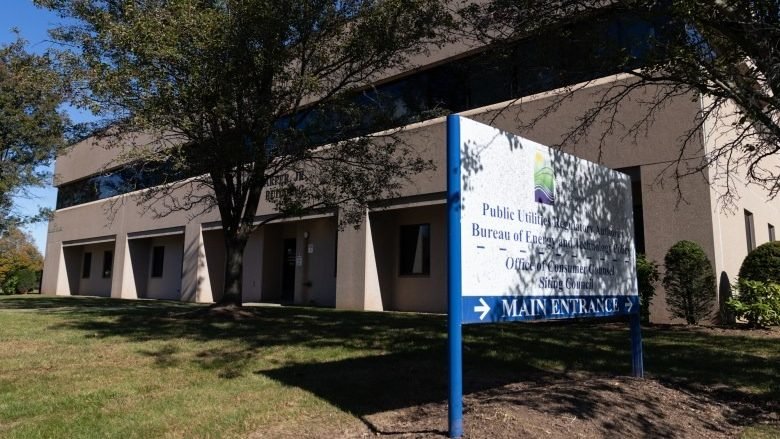
Connecticut’s top utility regulator has issued a stern warning to cable provider Optimum, suggesting the company may have skirted state law regarding mandatory notifications for service changes. The dispute centers on widespread layoffs at News 12, the company’s in-house regional news network, and whether such internal restructuring constitutes a significant alteration to programming that requires official disclosure.
Regulatory Tensions Over Local News
Thomas Wiehl, the chair of the Public Utilities Regulatory Authority (PURA), sent a letter to Optimum on August 27 demanding clarity on the status of News 12, which serves Connecticut, New Jersey, and New York. Recent reports, including coverage by CT Insider, indicated that substantial staff reductions could degrade the network’s ability to provide high-quality, locally focused journalism.
Under Connecticut statutes established following a 2007 deregulation bill, cable companies are required to provide the state with at least 30 days’ notice before implementing “planned programming or rate changes.” Wiehl argues that if the layoffs significantly alter the substance of what is broadcast, the public and their regulators deserve transparency. He noted that while Optimum customers continue to face rising rates, the value of the provided services must remain consistent.
Optimum’s Stance on Disclosure
In a formal response sent last Wednesday, Optimum’s government affairs director, Brian Smith, disputed the regulator’s interpretation of the law. The company contends that the notification requirement is intended for structural changes, such as adding, moving, or discontinuing entire television channels. According to Smith, internal content adjustments or staffing shifts within an existing channel do not trigger the same regulatory burden.
Despite the firm disagreement on legal obligations, Optimum expressed a willingness to meet with PURA to discuss the company’s long-term vision. Spokesperson Alexis Aziz maintained that the firm is taking necessary steps to ensure News 12 remains “strong, relevant, and sustainable.” However, the company has remained tight-lipped regarding the specific scope of the layoffs, which have reportedly affected dozens of veteran journalists and anchors across the tri-state area.
The Limits of Regulatory Power
The standoff highlights the diminished oversight capabilities of state agencies in the modern media landscape. Following the 2007 deregulation, PURA lost much of its leverage regarding franchise agreements and direct price controls. Wiehl openly acknowledged that his agency likely lacks the authority to block the changes at News 12 or force a reduction in customer rates.
Furthermore, the legal path for enforcing reporting requirements remains murky. It is currently unclear if PURA has the statutory authority to issue formal notices of violation or impose financial penalties on Optimum if it determines the company failed to report the changes appropriately.
For many industry observers, the conflict is about more than just the letter of the law; it is about the broader role of tech and telecommunications infrastructure in local communities. As traditional cable models face pressure from streaming services and digital news aggregation—technologies powered by the same infrastructure providers—the “lifeline” of local reporting is increasingly at risk.
Claire Coleman, a former official at the Office of Consumer Counsel, echoed these sentiments, emphasizing that local news serves as an essential public resource. As PURA prepares to sit down with Optimum leadership, the outcome of these meetings may serve as a litmus test for how much power regulators still hold over legacy providers in an era of rapid industry consolidation and digital transition. Whether the outcome results in more transparency or a continued shift toward leaner, less localized operations remains the core question for Connecticut viewers.
Disclaimer: This content is auto-generated for informational purposes only.
Source: Read Original News