








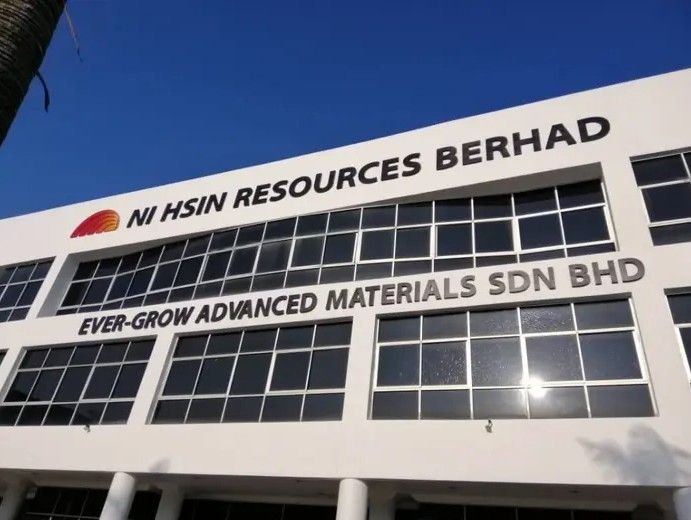
KUALA LUMPUR — Ni Hsin Group Bhd is accelerating its transition toward sustainable transportation, officially moving to formalize its electric vehicle (EV) operations as a core business pillar. The company, traditionally recognized for its stainless steel cookware and food and beverage services, has filed a proposal with Bursa Malaysia to seek shareholder approval to diversify into the EV market. This strategic pivot signals a broader shift within the manufacturing sector as traditional hardware firms embrace the tech-driven, green-energy revolution.
The company has been building its EV capabilities through its subsidiary, Ni Hsin EV Tech Sdn Bhd (NHEVT), since 2021. By establishing an assembly facility in Seri Kembangan, Selangor, the group has successfully moved beyond mere distribution, now focusing on semi-knocked down (SKD) and completely knocked down (CKD) assembly.
Expanding the Tech-Driven Ecosystem
The technological footprint of the company is growing through strategic international partnerships. In May, Ni Hsin secured an exclusive agreement with China’s Chongqing Qiulong Technology Co Ltd, gaining the rights to assemble the renowned Surron electric motorcycles. This collaboration follows an earlier contract manufacturing deal with MARS Greentech Sdn Bhd in April, which focuses on original equipment manufacturing (OEM) for two-wheeler models.
Currently, the group’s hardware lineup includes the EBIXON TORQ, BOLD, KRUZ, TC Max, and CPX models. Beyond the consumer market, Ni Hsin is leveraging data and institutional outreach to drive adoption. The firm is actively targeting corporate fleets, government-linked companies (GLCs), universities, and last-mile logistics providers. By integrating its EV fleet into these specialized sectors, the company hopes to utilize IoT and fleet management tech to optimize energy consumption and maintenance schedules for institutional clients.
Global Reach and Market Penetration
The group’s ambitions are not limited to the domestic Malaysian market. In August, Ni Hsin signed a memorandum of understanding (MoU) with Apex Ventures (Labuan) Ltd, aiming to export its EV portfolio to Türkiye and the Middle East. This move is significant as these regions are currently undergoing massive infrastructure upgrades to integrate green mobility solutions.
By diversifying geographically, Ni Hsin is positioning itself as a regional player in the burgeoning EV ecosystem. While the EV segment reported a revenue of RM1.43 million for the financial year ending June 30, 2026—accompanied by a matching loss of RM1.43 million—the company views these figures as initial investment costs. The board is confident that as the market for electric two-wheelers matures, the EV division will evolve into a profit-generating entity, eventually contributing at least 25% of the group’s net profit.
Future-Proofing the Business Model
Although the diversification proposal is not expected to trigger an immediate jump in earnings per share, the move serves as a long-term hedge against the volatility of traditional consumer goods sectors. Ni Hsin’s current business mix is eclectic, spanning cookware, food and beverage, and logistics. By formalizing its status as an EV manufacturer, the company is effectively modernizing its operational identity.
The official transition remains subject to the outcome of an upcoming Extraordinary General Meeting (EGM). Shareholders will vote on whether the group should formally integrate EV manufacturing as a primary revenue stream. If approved, this move will underscore a growing trend in the tech industry where hardware manufacturers use their existing assembly expertise to capture market share in the fast-paced, software-integrated EV economy. As the world shifts toward carbon neutrality, Ni Hsin’s strategic alignment with global electrification trends represents a critical attempt to future-proof its assets and capitalize on the digital transformation of urban mobility.
Disclaimer: This content is auto-generated for informational purposes only.
Source: Read Original News