





Crackdown in Delhi: CJP Leader Detained as Protest Movement Persists
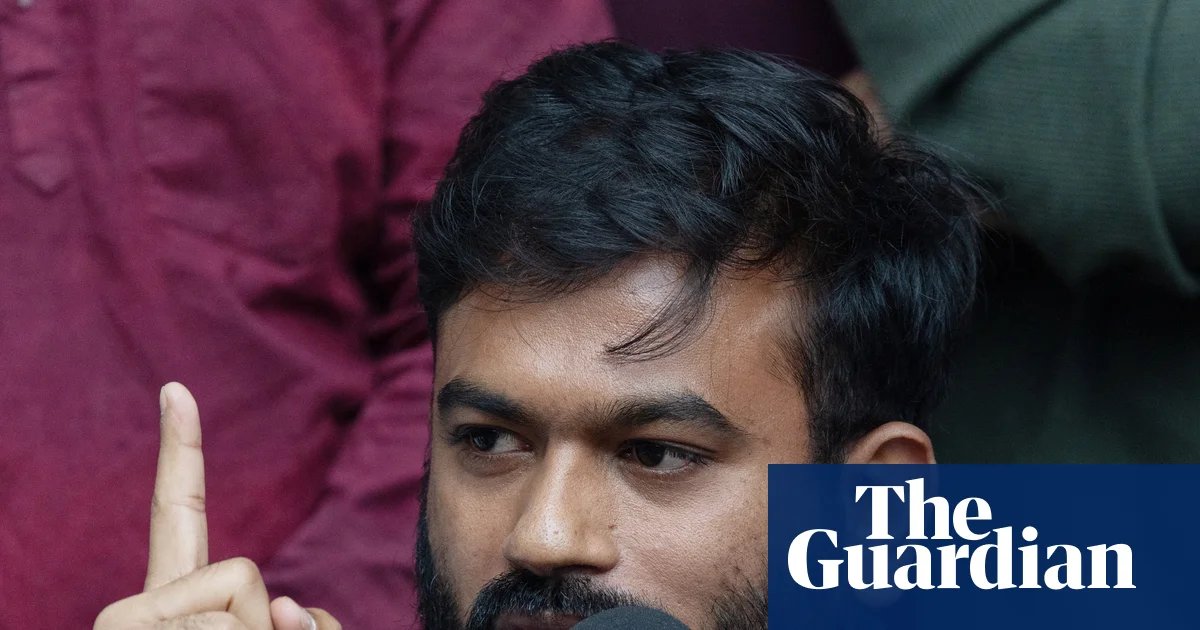
NEW DELHI – Tensions in the Indian capital reached a boiling point on Friday as authorities launched a sweeping operation to stifle the growing “Cockroach” protest movement. Abhijeet Dipke, the prominent leader of the Cockroach Janta Party (CJP) youth wing, was taken into custody by Delhi police hours before a scheduled demonstration in the city center.
The detention followed a direct call from Dipke for supporters to gather in public spaces, brandishing the Indian national flag as a symbol of defiance against the current administration. Despite the heavy police presence and a preemptive closure of the designated protest site, the movement’s momentum showed few signs of waning.
From Online Satire to Political Storm
The “Cockroach” movement, which originated in May as a form of digital satire, has rapidly evolved into one of the most formidable grassroots challenges to Prime Minister Narendra Modi’s 12-year administration. The protesters are demanding the immediate resignation of Chief Election Commissioner Gyanesh Kumar, alleging that a massive, systemic revision of electoral rolls resulted in the arbitrary removal of 130 million voters—a move they claim disproportionately benefits the ruling Bharatiya Janata Party (BJP). Both the BJP and the Election Commission have vehemently denied these accusations, labeling the protests as attempts to incite anarchy.
The government’s reaction to these demonstrations has been marked by a heavy-handed security response. In the lead-up to Friday’s events, authorities implemented strict bans on public gatherings and deployed thousands of police officers. Last week alone, thousands of individuals were detained as law enforcement sought to break the back of the dissent.
Defiance in the Capital
The arrest of Dipke occurred while he was en route to the protest site. In footage circulating on social media, the youth leader is seen waving the Indian flag while questioning the grounds for his detention, asserting his right to peaceful assembly. The CJP’s official social media channels responded sharply to his arrest, stating: “This government is so scared of the youth waving the national flag.”
Following Dipke’s removal, student leader Neha Bora was also detained while attempting to lead a march. Despite the loss of key organizers, approximately 2,000 protesters converged on Connaught Place, the commercial heart of Delhi. Among the demonstrators, frustrations regarding the state’s heavy-handed tactics were palpable. Participants argued that the aggressive police response only underscores their concerns regarding the erosion of democratic norms in India.
Government Labels Dissent as “Anarchy”
The BJP has maintained a firm stance against the agitators. Party spokesperson Sambit Patra accused the CJP and its allies of orchestrating a coordinated effort to destabilize the nation, going so far as to describe the movement’s goals as an attempted “coup.”
The state’s campaign has extended beyond standard detentions. In a controversial development, Bollywood actor Imran Khan, who was apprehended at a previous protest in Mumbai, has been issued an expulsion notice. As a holder of a US passport, Khan has been ordered to depart India by month’s end, a directive he is currently contesting through legal channels.
As the movement spreads to other major urban centers including Mumbai, Bengaluru, and Patna, it remains clear that the government’s attempts to silence the “Cockroach” campaign have met with significant public pushback, setting the stage for a prolonged confrontation between the state and a restive youth movement.
Disclaimer: This content is auto-generated for informational purposes only.
Source: Read Original News