






Databricks, a leading data and AI company, recently announced the successful closure of a substantial $5 billion funding round, catapulting its valuation to an impressive 190 billion dollars. This significant capital injection is primarily earmarked for an aggressive investment strategy focused on expanding its enterprise artificial intelligence capabilities, a domain where the company sees immense growth potential.
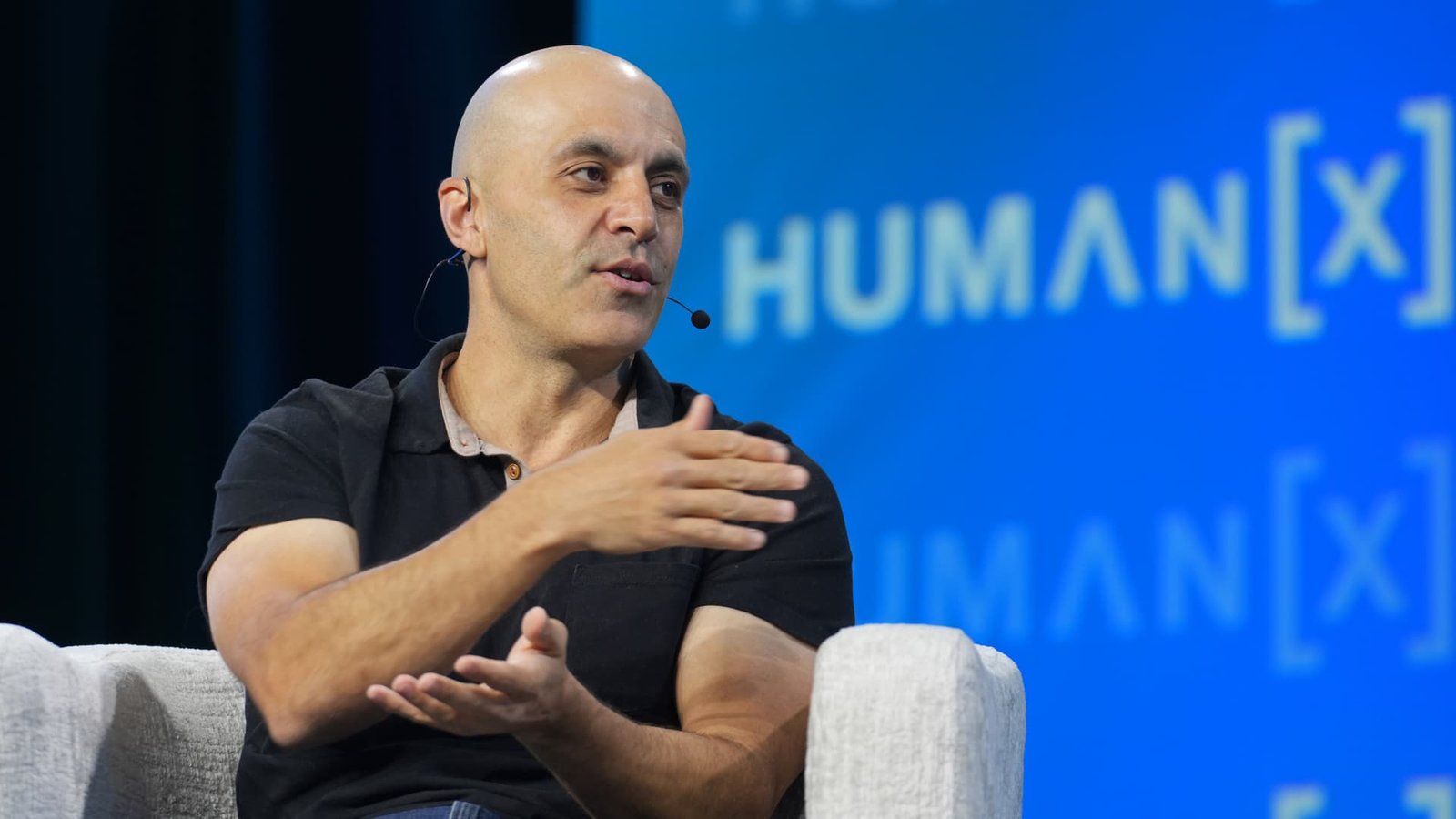
The company’s robust financial performance underscores this optimism. Databricks reported exceeding a $7 billion revenue run rate, demonstrating over 80% year-over-year growth in its second quarter. CEO Ali Ghodsi, in an interview on CNBC’s "Squawk on the Street," emphasized the surging demand for AI technologies, stating that "demand is crazy." He highlighted the widespread adoption of AI agents and the global focus on artificial intelligence as core drivers of this demand.
Ghodsi specifically drew attention to the impressive performance of several key Databricks offerings. The company’s Lakebase database, specifically designed for AI agents, has already surpassed a $100 million revenue run rate, showcasing its rapid market acceptance. Furthermore, its Lakehouse data warehousing tool has achieved an even more substantial $1.5 billion run rate. Ghodsi also mentioned the strength of their Genie business agent and the AI Gateway tool, which plays a crucial role in managing model usage and controlling associated costs for enterprises.
This recent funding round follows a period of continuous growth and investment for Databricks. Just six months prior, the private data analytics software company had secured $5 billion in funding along with an additional $2 billion in new debt capacity, at that time valued at $134 billion. Since its founding in 2013, Databricks has been instrumental in assisting companies with the development of sophisticated AI agents and applications, leveraging their proprietary data and advanced platform.
Databricks has not only carved out a significant niche in the enterprise AI landscape but has also surpassed its public market competitor, Snowflake, in terms of market valuation. The company, recognized on CNBC’s 2026 Disruptor 50 list, is actively expanding into new verticals, including cybersecurity, further diversifying its offerings and market reach.
A particularly pressing issue currently impacting public markets and driving demand for Databricks’ solutions is the escalating cost of AI, often referred to as "token cost." Ghodsi noted that this phenomenon is significantly boosting demand for their AI Gateway platform and their open-source tools. Interestingly, he also observed a growing willingness among customers to adopt Chinese AI models, a shift from previous hesitations. Ghodsi attributed this change to the financial pressures exerted by token maximums, explaining that "this token maxing has freaked out the CFOs," prompting a more pragmatic approach to AI model selection.
Despite its impressive growth and significant funding, Databricks is among a cohort of successful companies opting to delay their public offerings. This trend is largely fueled by the abundance of funding opportunities available in private markets. While the blockbuster IPO of SpaceX generated anticipation for a busy year in initial public offerings, the subsequent volatility in shares has contributed to a cautious approach. Other prominent AI model developers, such as Anthropic and OpenAI, have confidentially filed for IPOs, signaling potential public debuts as early as this year.
However, Ghodsi made it clear that while Databricks intends to become a public company eventually, their immediate focus remains on strategic investment in their AI product development. He articulated that given the current market volatility, "there would be too much distraction in the public market" at this time, preferring to prioritize innovation and growth. The recent funding round was led by a consortium of prominent investors, including Coatue, Blackstone, MGX, T. Rowe Price, and Sixth Street Growth, further validating Databricks’ strategic direction and market position.