








From Siddharth to Lokesh Kanagaraj: How Arun Matheswaran’s ‘DC’ Evolved Over a Decade
The journey of filmmaking is often marked by drastic transformations, but few projects illustrate this as vividly as director Arun Matheswaran’s gangster drama, DC. While the film has recently made headlines for its massive success at the box office—crossing the Rs 100 crore mark globally—it has emerged that the project we see today is a far cry from the version originally conceived a decade ago.
A Different Leading Man: The Siddharth Connection
In a recent revelation, cinematographer Mukesh G, who lensed the film, shed light on the project’s long and winding development cycle. Speaking with The Variety India, Mukesh disclosed that the film’s original creative vision was tailored for a much different era of Tamil cinema.
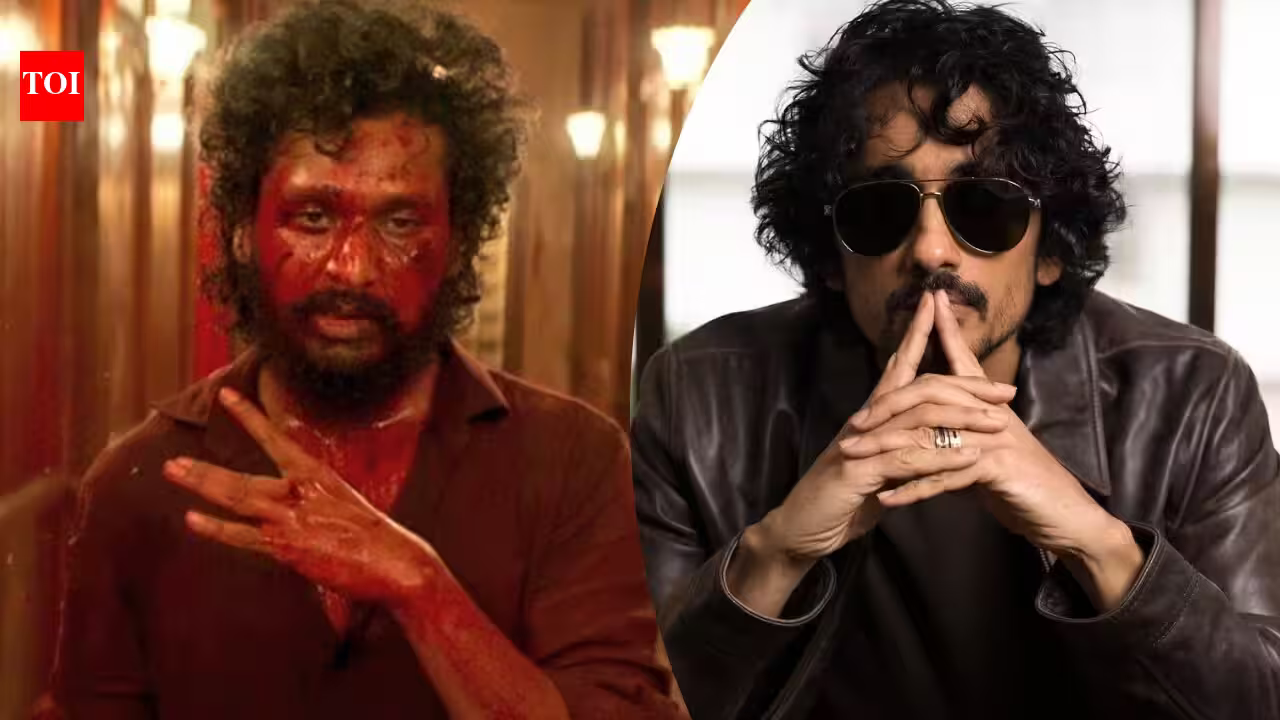
“‘DC’ was completely different 10 years ago,” Mukesh explained. “There were so many heroes who wanted to do it. At that point in time, link Siddharth was almost the final choice for us to mount the film. He was almost supposed to do the film.”
The Challenges of a Decade-Long Development
The reason for this casting shift lies in the project’s protracted gestation period. According to Mukesh, the script spent years in development hell, a common hurdle in the industry that forces talent to move on to other commitments.
“Ten years ago, Siddharth was supposed to play the role,” said the cinematographer. “After that, when things took long to materialize, everyone went on to do something else and completely lost track of everything.”
As the years passed, the film’s fundamental DNA began to shift. The original iteration was described as a more urban-centric gangster story. By the time the production finally gained momentum, the narrative had evolved into the gritty, atmospheric project that eventually cast acclaimed filmmaker Lokesh Kanagaraj in the lead role, supported by Wamiqa Gabbi as Chandra.
A Complete Creative Overhaul
The evolution of DC was not limited to its casting. Mukesh noted that the lengthy delay necessitated a total creative reimagining. The urban setting of the original draft was discarded in favor of a new world, and the character dynamics were significantly retooled—most notably the transition of the female lead from the originally scripted “Parvati” to the now-iconic “Chandra.”
Despite the tumultuous path to the screen, the final version of DC has clearly resonated with audiences, cementing its status as a commercial powerhouse. The transformation serves as a fascinating case study in how the passage of time can fundamentally alter the artistic identity of a film, ultimately leading it toward an unexpected, yet highly successful, destination.