







GENEVA – The World Health Organization (WHO) announced on Saturday that it remains unable to confirm the cause of death of a young laboratory worker in Russia, deepening the mystery surrounding an incident at a facility that specializes in research on plague and other highly infectious diseases.
In its first comprehensive Disease Outbreak News report since the case surfaced earlier this month, the U.N. health agency underscored the uncertainty surrounding the death. While initial, unconfirmed reports suggested the worker may have succumbed to pneumonic plague—a virulent form of the disease that, unlike the bubonic plague associated with the Black Death, can spread from person to person through the air—authorities have yet to produce conclusive evidence to support that theory.
Pneumonic plague is characterized by severe pneumonia and is considered life-threatening; however, medical experts note that recovery rates are high provided the infection is detected early and treated with appropriate antibiotics.
Despite the gravity of the potential threat, Russian health officials have maintained that their internal investigations have yielded no evidence of an active pathogen. According to the WHO report, Russian authorities have conducted more than 5,500 clinical and laboratory tests in the wake of the worker’s death, all of which have returned negative results for dangerous pathogenic microorganisms.
The WHO stressed that the current lack of transparency and data requires further action. “Additional clinical, epidemiological and laboratory information, including confirmation of the diagnosis in the deceased laboratory worker, is required to improve confidence in the assessment,” the agency stated in its dispatch, calling for a continued, transparent investigation into the circumstances of the death.
Adding to the confusion is a dispute over reports of a second, potential case. The WHO referenced “a purported second case” in its report, a claim that has been circulating in international media. However, in previous clarifications provided to the Associated Press, the WHO indicated that these reports originated from tabloid outlets in Britain and Serbia, which cited unspecified sources within Russia. Russian officials have flatly denied the existence of any second case, dismissing the claims as unfounded rumors.
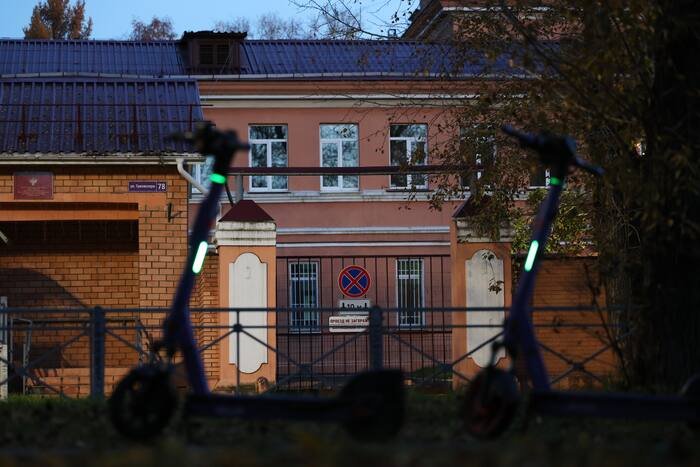
The laboratory in question, which is located in Russia, is known for its high-containment research on various bacterial and viral illnesses. The lack of clarity regarding the incident has prompted concerns about laboratory safety protocols and the speed of international information sharing regarding potential biohazards.
As the international community awaits further details, the WHO remains in close contact with Russian health authorities, urging them to provide verified diagnostic data. Until the final cause of death is established through rigorous, peer-reviewed testing, the agency has signaled it will continue to classify the incident as an unresolved health mystery.
Disclaimer: This content is auto-generated for informational purposes only.
Source: Read Original News