






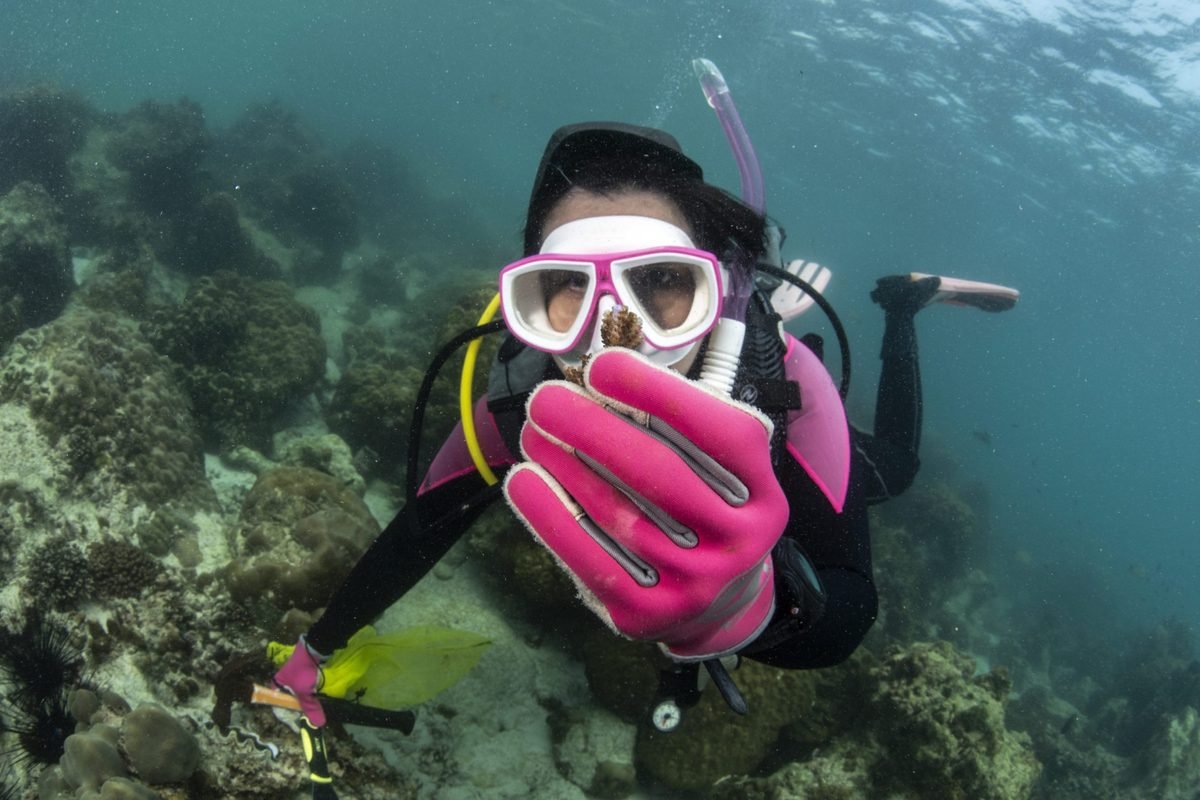
In a bold attempt to address some of Earth’s most pressing environmental challenges, three National Geographic Explorers are turning to the final frontier. By 2027, microscopic organisms collected from Thailand, Zambia, and the United States will be launched to the International Space Station (ISS) as part of a groundbreaking research initiative titled “L³: Little Living Lab.”
The mission aims to “stress-test” specific microorganisms by exposing them to the harsh realities of space—intense radiation and microgravity—for a period of 50 days. By observing how these life forms adapt to extreme conditions, scientists hope to unlock biological secrets that could prove vital to protecting the planet’s oceans, atmosphere, and global food security.
The initiative is a collaborative effort involving the National Geographic Society and the Brinson Exploration Hub at the California Institute of Technology. Engineering teams are currently developing specialized technology capable of maintaining these delicate biological samples within the microgravity environment of the ISS.
The project features a diverse array of specimens, each selected for its potential to provide solutions to environmental crises:
In Thailand, marine biologist Suchana “Apple” Chavanich of Chulalongkorn University is focusing on Pseudoalteromonas sp., a bacterium essential to coral health. Known for its role in mitigating harmful algal blooms, this bacterium is a candidate for helping coral reefs survive the mounting pressures of ocean warming and acidification. “By understanding how these bacteria function, we hope to improve the resilience of reef ecosystems that are currently under threat,” Chavanich explained.
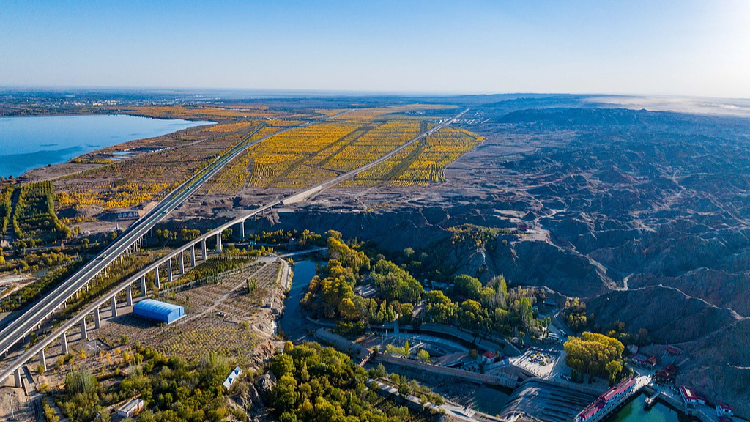
Across the globe in Zambia, geneticist Moola Mutondo of Copperbelt University is investigating Anabaena sp., a blue-green algae harvested from metal-heavy mining sites. Mutondo is interested in the organism’s unique ability to thrive in contaminated environments. “Extreme environments often push living organisms to adapt in extraordinary ways,” she noted. “By studying how microgravity triggers biological adaptations, I hope to unlock new ways to grow food in a rapidly changing climate,” potentially leading to the development of more sustainable fertilizers.
Representing the United States, plankton ecologist and oceanographer Gabrielle Corradino of Barnard College is contributing four species of phytoplankton: Synechococcus, Thalassiosira, Skeletonema, and Phaeodactylum. As the foundation of the marine food web and a primary source of the oxygen we breathe, phytoplankton are a linchpin of global survival. “Sending marine plankton to space allows us to see familiar organisms in an entirely unfamiliar way,” said Corradino. “Their future is inseparable from our own.”
The samples are scheduled to join a NASA space launch in the summer of 2027. Once the 50-day experiment concludes and the organisms return to Earth, the team will embark on a rigorous, months-long analysis to catalog the genetic and functional changes triggered by their time in orbit.
The project highlights a growing trend in environmental science: looking beyond our atmosphere to find answers for life on the ground. Ian Miller, chief science and innovation officer at the National Geographic Society, emphasized the significance of the endeavor, stating, “The answers to preserving life on Earth may well come from analyses 250 miles above it.”
As researchers prepare to finalize their collections throughout 2026, the scientific community watches with anticipation, hopeful that these microscopic travelers will return with insights capable of helping Earth’s ecosystems adapt to an increasingly unpredictable future.
Disclaimer: This content is auto-generated for informational purposes only.
Source: Read Original News