







Strategic Shift in India-Mexico Trade Relations
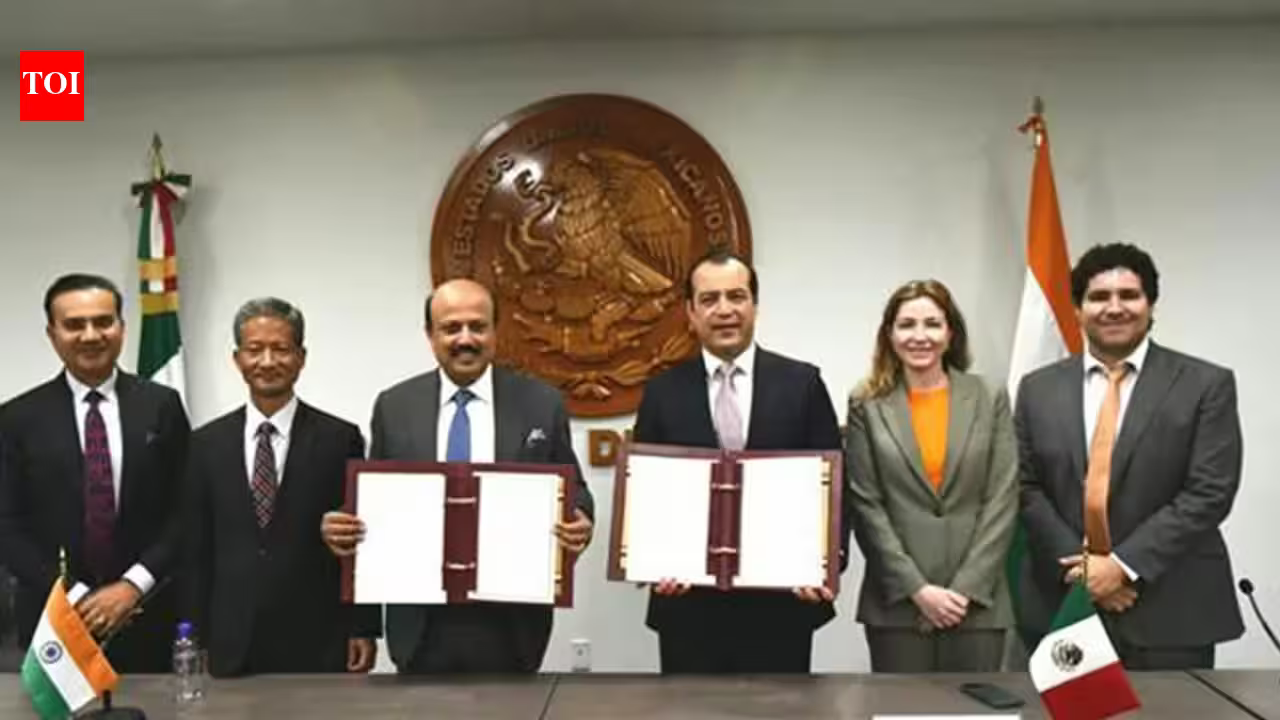
The recent formalization of negotiations for a Preferential Trade Agreement (PTA) between India and Mexico signals a significant turning point in South-South economic cooperation. Following discussions between Prime Minister Narendra Modi and President Claudia Sheinbaum, the two nations have committed to a structured framework aimed at enhancing trade, investment, and supply chain resilience. For India, this development represents more than just a reduction in tariffs; it is a calculated effort to safeguard its manufacturing exports in an increasingly protectionist global climate.
Mexico, often viewed as the gateway to North America, occupies a unique position in the global supply chain, bolstered by its proximity to the United States and the United States-Mexico-Canada Agreement (USMCA). By initiating these talks, India is looking to secure a foothold in a market that has become increasingly restrictive toward non-partner nations. This diplomatic and economic outreach reflects New Delhi’s broader strategy of diversifying export markets while reducing dependency on traditional trading hubs in Asia and Europe.
Navigating Mexico’s Revised Import Tariff Regime
The urgency behind these negotiations is largely driven by Mexico’s recent aggressive restructuring of its import duty regime. In a move designed to protect domestic industry and align with regional production strategies, Mexico significantly hiked import duties—ranging from 5% to as high as 50%—on over 1,400 product categories. These measures disproportionately affect countries that do not currently possess a Free Trade Agreement (FTA) or a PTA with Mexico, placing Indian exporters at a severe disadvantage compared to North American or European counterparts.
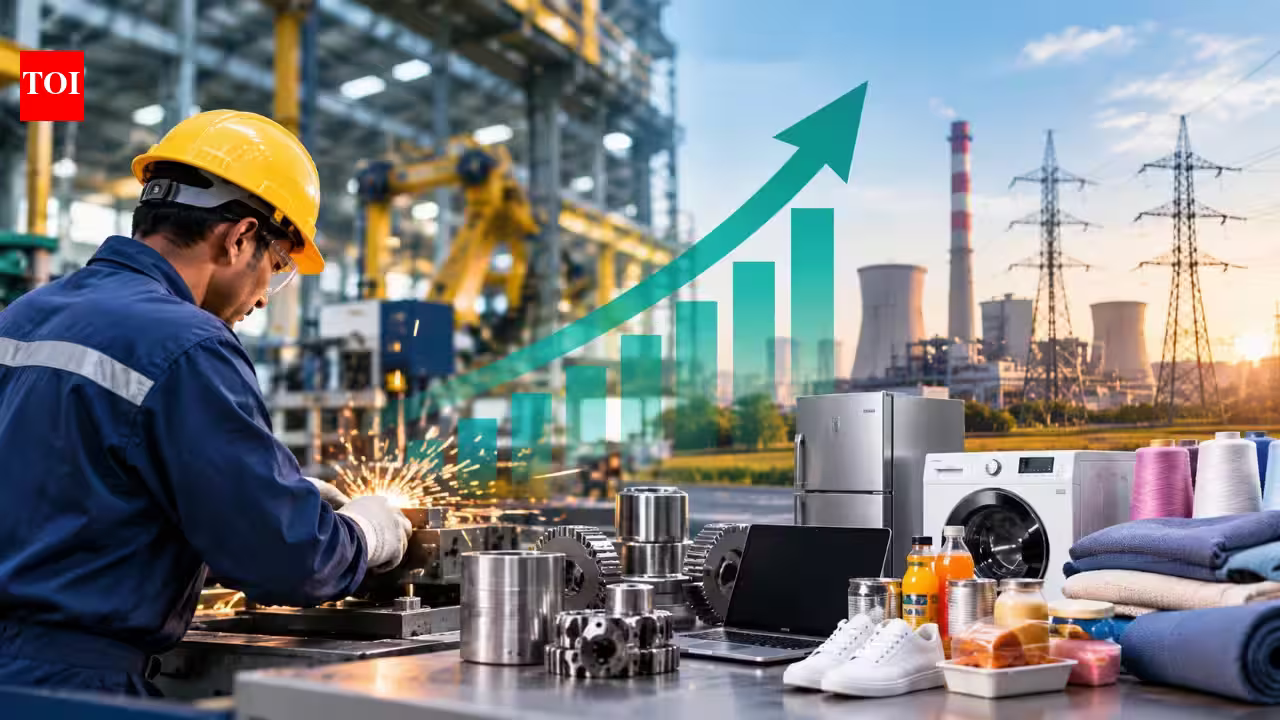
For Indian industries, particularly the automotive and engineering sectors, these duties represent a barrier that threatens to erode profit margins and competitiveness. With India’s annual exports to Mexico currently hovering around the $5.7 billion mark, the potential for market contraction is substantial. The automobile and auto component sector, which accounts for approximately $1.5 billion of that trade volume, is particularly vulnerable. By formalizing a PTA, India seeks to carve out an exemption from these punitive tariffs, ensuring that Indian-made components remain viable for the Mexican automotive manufacturing industry.
Synergizing Industrial Complementarities
The economic profiles of India and Mexico present a clear case for synergy. India’s strength lies in its expansive manufacturing base, growing chemical and pharmaceutical sectors, and deep technological prowess in services and software. Conversely, Mexico offers a robust manufacturing ecosystem, particularly in aerospace, electronics, and automotive assembly, serving as a critical node in the global supply chain for the Americas.
The negotiations are explicitly focused on “mutually beneficial opportunities” that leverage these complementarities. For India, the objective is to supply critical inputs and intermediate goods to Mexican manufacturers who are currently facing supply chain disruptions. In return, India offers a large and growing domestic market for Mexican agricultural products, mining resources, and high-tech manufactured goods. By fostering these linkages, both nations aim to transition from being merely trading partners to becoming co-producers. This shift is essential for India’s “Make in India” initiative, as it encourages Indian firms to integrate into North American value chains through the Mexican corridor.
The Role of Geopolitics in Economic Integration
The timing of this engagement, underscored by high-level political dialogue, highlights the intersection of geopolitics and commerce. As global powers increasingly look to “friend-shoring” and “near-shoring” to mitigate risks associated with China-centric supply chains, both India and Mexico find themselves in favorable positions. Mexico is the primary beneficiary of companies looking to relocate production closer to the US market, while India is positioning itself as an alternative manufacturing hub for companies pursuing a “China Plus One” strategy.
The India-Mexico PTA acts as a bridge between these two geographic regions. For Indian corporations, Mexico serves as a strategic launchpad into the USMCA zone. By investing in manufacturing facilities within Mexico, Indian firms can circumvent geographical distance and logistics costs while gaining direct access to the lucrative North American consumer base. Simultaneously, Mexico gains access to a cost-effective, high-quality, and diverse supplier base in India, reducing its own dependency on a limited pool of trading partners. This arrangement creates a balanced economic ecosystem that serves the strategic interests of both governments in a volatile international trade environment.
Long-term Outlook for the Indian Export Sector
Looking ahead, the success of the India-Mexico trade talks will depend on the speed and scope of the agreement. While a PTA is less comprehensive than a full Free Trade Agreement, it serves as a foundational instrument that can be expanded over time. Indian policymakers must remain vigilant about the specific product categories covered under the agreement to ensure that the sectors most impacted by the 50% duty hike receive the necessary relief.
For Indian exporters, the message is clear: the era of relying solely on traditional export destinations is coming to an end. Markets like Mexico, which have historically been overlooked due to geographic distance, are now becoming central to India’s export strategy. The government’s proactive stance in engaging with Mexico demonstrates a shift toward more agile and targeted trade policy. If successfully implemented, this PTA will not only safeguard existing trade volumes but also open new avenues for high-value exports, including pharmaceuticals, textiles, and specialized machinery.
Ultimately, the deepening of commercial ties between India and Mexico serves as a test case for India’s ability to navigate complex, region-specific trade barriers. By securing preferential access to the Mexican market, Indian firms will gain a critical advantage, providing them with the stability needed to commit to long-term investment in international markets. As the negotiations progress, stakeholders in both countries must focus on regulatory harmonization and infrastructure development to ensure that trade, once enabled by the agreement, moves efficiently and profitably across the Pacific.
Disclaimer: This content is auto-generated for informational purposes only.
Source: Read Original News