






Loni Gasping: Why This NCR Town Has Become a Toxic Gas Chamber
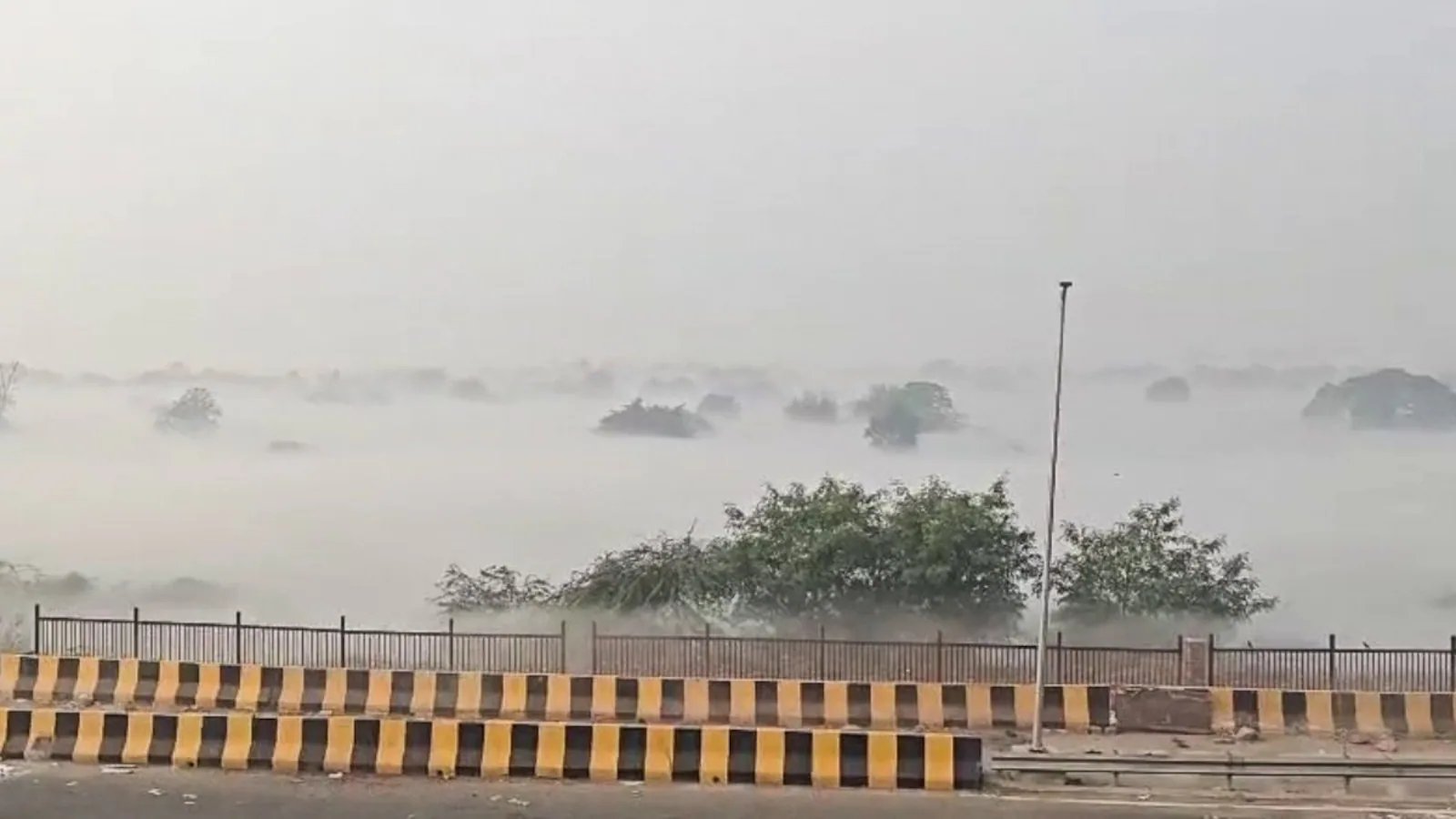
As the national capital region struggles to breathe in the aftermath of Diwali, the industrial town of Loni has emerged as a stark symbol of India’s worsening air quality crisis. On Monday morning, following widespread firecracker festivities, Loni recorded pollution levels so extreme that it cemented its position among the world’s most hazardous urban centers.
According to data from the Swiss monitoring firm IQAir, Loni has recorded an average PM2.5 concentration of 112.5 micrograms per cubic meter over the past year. This figure is staggering—over 22 times the annual safety limit recommended by the World Health Organization. With such toxic air quality, health experts warn that residents are at a significantly heightened risk of developing chronic heart disease and respiratory cancers.
A Perfect Storm of Pollution
The environmental catastrophe in Loni is not the result of a single factor but a convergence of ten distinct, chronic issues.
Geography plays a significant role; situated on the banks of the Yamuna, the town often experiences lower surface temperatures during winter. This leads to a drop in the “mixing height” of the air, trapping pollutants near the ground where residents live and breathe. When these trapped dust particles react with high concentrations of sulfur dioxide, nitrogen oxides, and ammonia—byproducts of the area’s dense industrial base—they form even more lethal chemical compounds.
Industrial and Structural Failures
Loni’s air quality is further decimated by its chaotic urban planning. The region is dotted with small-scale industrial units operating out of residential neighborhoods, often using crude metal smelting furnaces that belch toxic fumes directly into the streets. These stationary sources of pollution are compounded by the area’s underdeveloped infrastructure. Unpaved, dusty roads are constant contributors to particulate matter, a problem worsened by relentless, year-round construction projects fueled by the town’s role as an affordable housing hub for the NCR.
The logistics sector also bears responsibility. As a vital transit corridor connecting Delhi to Western Uttar Pradesh and the Dehradun Highway, Loni is subjected to constant, high-volume traffic. The roar of heavy diesel trucks passing through the town day and night adds a heavy layer of vehicular emissions to an already saturated atmosphere.
Waste and Regional Impacts
Compounding these systemic issues is a failing waste management system. Due to inadequate disposal facilities, the burning of domestic and industrial garbage in the open has become common practice, choking neighborhoods in thick, hazardous smoke. This is mirrored on a larger scale by the surrounding agricultural landscape. Seasonal stubble burning from rural pockets in Uttar Pradesh, combined with the heavy particulate output from nearby traditional brick kilns in Baghpat, creates a persistent smog blanket that hangs over the region.
Ultimately, Loni serves as a cautionary tale for the Delhi-NCR. While the nation debates official Air Quality Index (AQI) readings—which officially hovered near 483 on Monday morning—the reality on the ground for residents of towns like Loni is a daily fight for survival in an environment that has become increasingly lethal. Without aggressive intervention in industrial regulation, infrastructure management, and waste disposal, Loni remains trapped in a cycle of toxicity.
Disclaimer: This content is auto-generated for informational purposes only.
Source: Read Original News