







Government Explores Sweeping Overhaul of Social Media Legal Immunity
The Union Ministry of Electronics and Information Technology has initiated preliminary discussions aimed at a radical restructuring of India’s social media regulatory landscape. Central to these deliberations is a proposal to potentially revoke the “safe harbour” protections currently enjoyed by global tech giants, including Meta, Google, and X.
For years, Section 79 of the Information Technology (IT) Act has shielded internet intermediaries from legal liability regarding third-party content uploaded by users. This legal shield has been the bedrock of the modern digital economy, allowing platforms to scale rapidly without bearing the burden of monitoring every individual post. However, the government is now questioning whether this protection remains appropriate in an era where platforms actively curate, rank, and amplify content through complex algorithmic systems.
Rethinking the “Passive Carrier” Doctrine
The prevailing sentiment within the IT Ministry is that companies like Facebook, Instagram, and X have evolved beyond their original roles as mere digital conduits. Officials argue that by deploying sophisticated recommendation engines to boost engagement and influence virality, these platforms are effectively performing editorial functions.
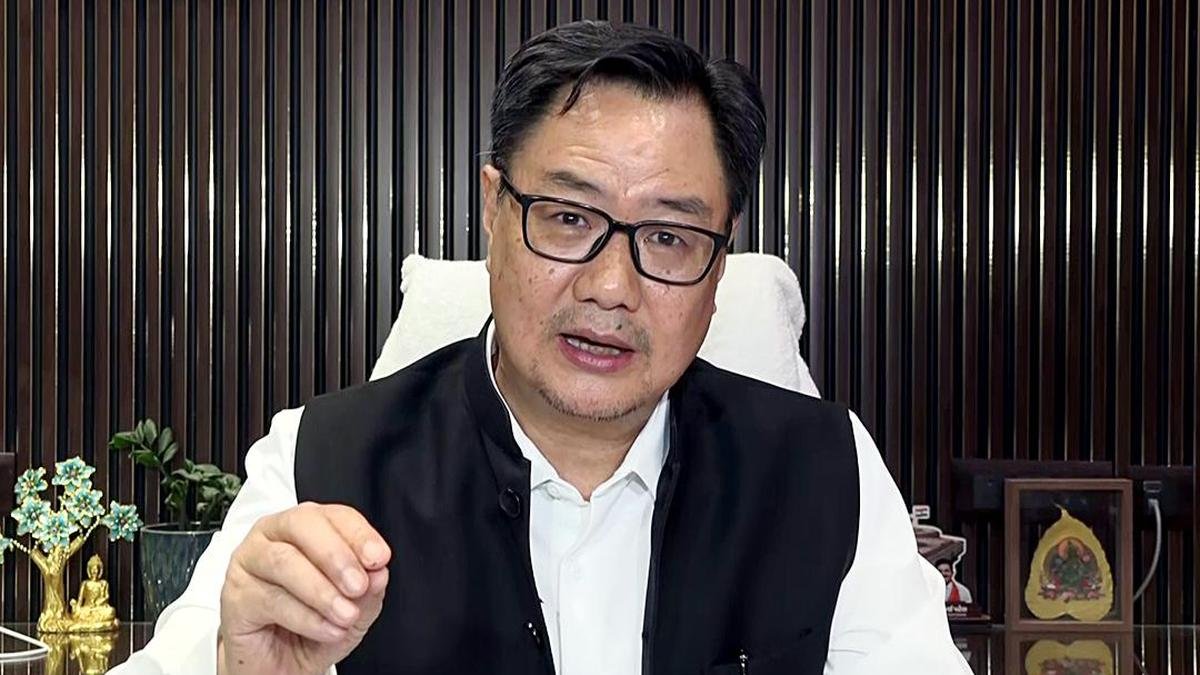
“When an intermediary acts as a simple transmission line for data, safe harbour is logical,” a senior government official noted. “But when a platform uses algorithms to dictate what a user sees, they are no longer just carriers. They are active participants in content distribution and, as such, must be accountable for the material they propagate.”
While the discussions are currently exploratory, any formal move to strip platforms of this immunity would necessitate significant amendments to the IT Act, requiring parliamentary approval. Such a shift would mark a major turning point in India’s relationship with global Big Tech.
Catalyst for Change: Protests and Platform Power
The government’s shifting stance has been influenced by several recent friction points. Officials have expressed concern over how social media algorithms occasionally amplify anti-establishment narratives, citing the use of Instagram during student protests in July as a key example of how platforms can influence public discourse.
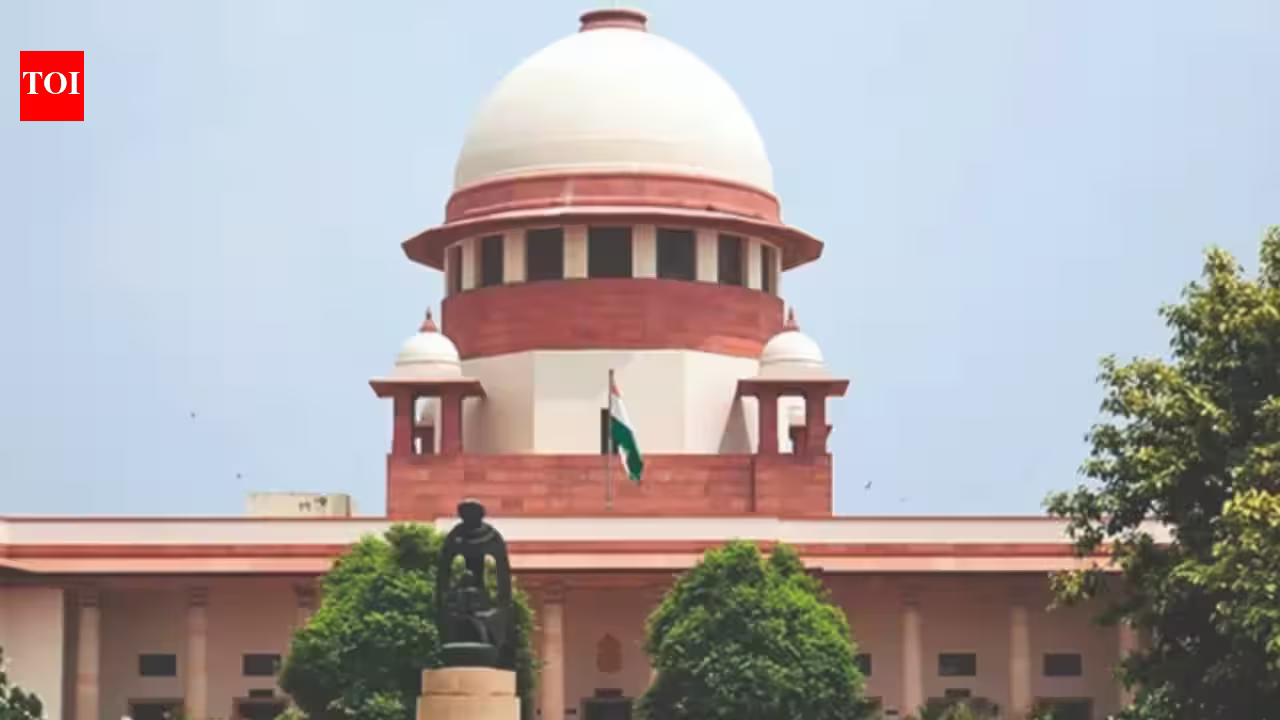
Tensions have also simmered following clashes over content moderation. In July, the Ministry summoned Meta’s top global policy executives after a video featuring Prime Minister Narendra Modi was briefly withheld by Facebook. Furthermore, the ongoing legal battle with X over government-issued takedown orders and the Supreme Court’s recent critiques regarding the insufficient control of harmful content—specifically child sexual abuse material—have added momentum to the push for stricter oversight.
Proposed Shifts in Regulation
Beyond the potential removal of safe harbour, the government is weighing several other regulatory strategies to assert greater control over digital spaces:
- Advance Disclosure: The Ministry is considering a requirement for platforms to provide formal, advance notice before rolling out major product features. This follows recent friction with WhatsApp over a new username feature that the government feared could facilitate impersonation and financial fraud.
- Stronger Grievance Redressal: There is an active push to move beyond internal moderation policies. The government wants to create a framework that mandates platforms to be more responsive to individual complaints, particularly concerning non-consensual imagery, deepfakes, and identity theft.
- Proportional Accountability: Reflecting the Supreme Court’s recent observations, there is growing support for a tiered penalty system. This would involve monetary fines for non-compliance, reserving the full withdrawal of safe harbour as a last-resort measure for serious systemic failures.
As the government evaluates these proposals, industry stakeholders and civil society groups remain on alert. A formal move to redefine these protections would not only reshape the business models of the world’s largest internet companies but also redefine the boundaries of digital speech and state authority in the Indian democracy.
Disclaimer: This content is auto-generated for informational purposes only.
Source: Read Original News