









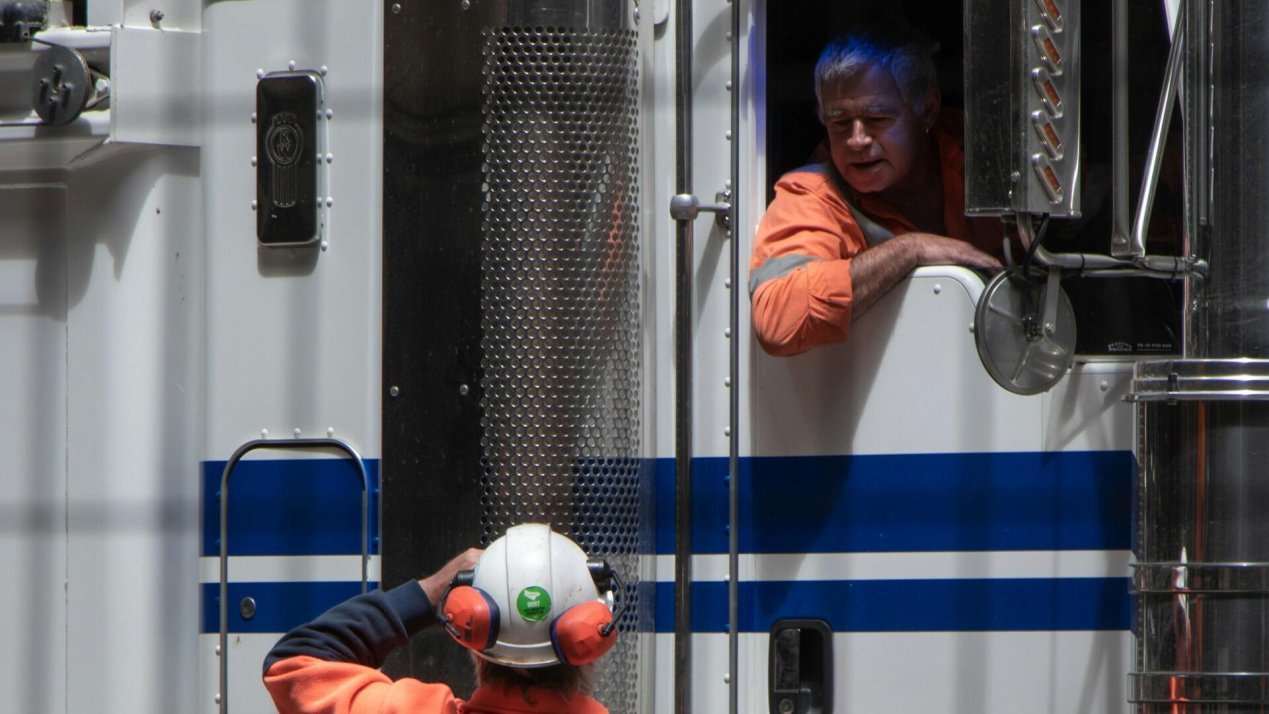
Mexico’s freight transport industry is currently grappling with a severe labor crisis that threatens to bottleneck the nation’s supply chain. With a shortfall of up to 90,000 heavy-vehicle operators, the country is witnessing an unprecedented 14% vacancy rate, leaving nearly 90,000 trucks idle. As cross-border trade accelerates under the influence of global nearshoring trends, the shortage of drivers holding the Licencia Federal Digital de Conductor has evolved from a simple hiring challenge into a significant enterprise risk for manufacturing and logistics firms.
Leveraging Artificial Intelligence for Safety and Retention
To combat this exodus of professional talent, logistics leaders are increasingly turning to advanced technology and artificial intelligence (AI). Modern cabin management is moving beyond basic telematics; firms are deploying sophisticated Advanced Driver Assistance Systems (ADAS) equipped with dual-facing AI cameras. These systems do more than just monitor the road; they analyze driver fatigue, alert operators to potential distractions, and act as a digital shield against false collision claims.
By integrating these high-tech solutions, companies are attempting to make the profession safer and more transparent. As industry experts note, AI-driven visibility platforms are critical for predictive supply chain management. By using data to anticipate risks—such as potential transit disruptions or hazardous route conditions—logistics providers can move away from reactive crisis management toward a more proactive, secure, and data-backed operational model. This technological pivot is proving essential not only for security but for talent retention, as drivers feel more protected and valued within a high-tech, monitored environment.
Shifting Economic Models: Moving Beyond Piece-Rate
For years, Mexico’s long-haul trucking was defined by rigid piece-rate compensation models, which often left drivers struggling during customs delays or urban traffic congestion. Today, Tier-1 fleets are dismantling these legacy systems in favor of guaranteed base salaries combined with performance-based bonuses.
This structural shift is vital for retaining talent in a competitive landscape where US and Canadian fleets often vie for the same skilled labor. The new “total quality” compensation model includes detention pay to protect earnings against unforeseen idle time and safety bonuses linked to telematics scores. Beyond wages, major carriers are enhancing employee benefits with private medical insurance and education subsidies for dependents, reflecting a broader attempt to elevate the status and stability of the driving profession.
Addressing Insecurity Through Smart Infrastructure
Physical safety remains the primary driver of the current workforce shortage. With over 50% of cargo thefts occurring while vehicles are in transit and a significant portion involving armed violence, the risks to personnel are immense.
To mitigate these threats, the industry is adopting “virtual corridor” strategies. This involves using geospatial intelligence to enforce strict, AI-monitored routing. Companies are increasingly imposing daylight-only travel mandates for sensitive cargo, utilizing toll roads exclusively, and mandating stops at vetted, secure plazas rather than informal roadside areas.
However, technology alone cannot solve the infrastructure gap. While logistics firms are investing heavily in telemetry and sophisticated security, industry bodies like CANACAR and the National Association of Private Transport (ANTP) continue to lobby for the expansion of federally protected, biometric-secured truck stops. As the nation pushes to maintain its position as a global manufacturing hub, the convergence of AI, modernized compensation, and robust physical safety infrastructure will be the deciding factor in whether Mexico can close its driver deficit and sustain its industrial momentum.
Disclaimer: This content is auto-generated for informational purposes only.
Source: Read Original News