







In the fast-paced world of Tamil cinema, where high-octane action and mass-appeal entertainers often dominate the digital landscape, Karthik Subbaraj has once again proven that he is the industry’s most daring provocateur. With his latest directorial venture, Dorothy, Subbaraj has stepped away from his usual penchant for twist-heavy thrillers to craft something far more intimate, haunting, and necessary. Since its arrival on Netflix this past October, the film has sparked a massive wave of discourse, moving beyond mere critical appreciation to become a genuine social phenomenon.
For audiences who missed the theatrical run back in September, the digital debut has served as a wake-up call. Dorothy isn’t just a movie; it is a visceral, heartbreaking, and ultimately transformative experience that forces the viewer to confront the shadows of 1990s Madurai—a landscape defined as much by its rigid societal expectations as it is by the resilience of those fighting to be seen.
A Bold Departure into the Human Condition
Karthik Subbaraj is a filmmaker who has built a career on the “unexpected.” From Pizza to Jigarthanda, he has consistently kept audiences on their toes. However, with Dorothy, he turns the lens inward. By tackling the lived experiences of the transgender community in a period setting, Subbaraj navigates a minefield of potential clichés and emerges with something that feels dangerously real.
The film is not interested in the sanitized, palatable versions of marginalized lives often seen in mainstream media. Instead, it leans into the grit. It captures the specific, stifling atmosphere of a 90s upbringing, where identity was a secret kept under lock and key. The audience response has been overwhelmingly consistent: this is a film that refuses to blink. As one viewer noted on social media, it is “bold, unpredictable, and shocking,” marking a stylistic maturation for a director who is clearly moving into a phase of storytelling where the emotional stakes outweigh the spectacle.
The Chemistry of Sananth and Rishikanth
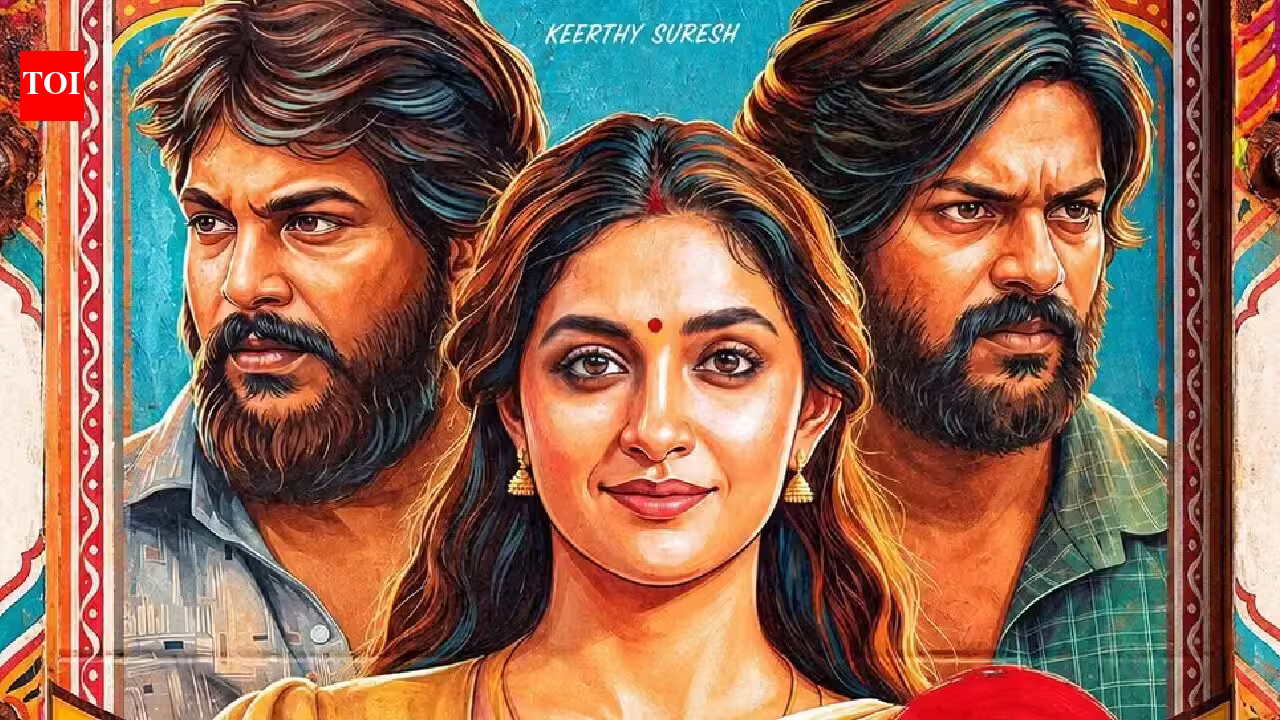
At the heart of Dorothy lies an extraordinary anchor: the powerhouse performances of Sananth and Rishikanth. To portray the specific vulnerability and defiance required for these roles is a daunting task, yet both actors deliver career-best work.
Sananth, inhabiting the role of Subbu, displays a breathtaking command over his craft. He manages to convey a internal landscape defined by a volatile mix of anger, trauma, and an aching, childlike innocence. It is a performance of quiet intensity—never once veering into the caricature that often plagues such complex roles. Beside him, Rishikanth’s portrayal of Karthi serves as the perfect counterbalance, grounding the narrative with a grounded, earthy authenticity that makes their shared arc feel agonizingly inevitable.
Fans have been quick to highlight the bond between the two, which serves as the emotional engine of the film. Their chemistry isn’t built on grand cinematic gestures but on the small, quiet recognitions that pass between two people who have found a home in one another amidst a world that offers them none. It is a “stay-with-you” kind of connection—a testament to both the actors’ dedication and Subbaraj’s direction of his ensemble.
The Maestro’s Haunting Score
No conversation about a Tamil masterpiece is complete without addressing the soundscape, and in Dorothy, the legendary Ilaiyaraaja creates a sensory experience that is almost impossible to shake off. The maestro’s score acts as the film’s conscience, underscoring the deep-seated “hurt, sadness, and emptiness” that the characters carry.
Ilaiyaraaja’s music in Dorothy isn’t just background noise; it is a structural element. It swells during the moments of profound isolation and recedes to leave room for the heavy, uncomfortable silence that defines the characters’ struggles. Critics and viewers alike have noted that the music elevates the film from a standard drama into something approaching a tragedy of Shakespearean proportions. When combined with the film’s technical prowess—specifically a single-shot sequence that has already been hailed by cinephiles for its masterclass in pacing and suspense—the music creates a hypnotic, if occasionally painful, viewing experience.
Setting a New Standard for Representation
Perhaps the most significant legacy of Dorothy will be its contribution to LGBTQ+ representation in Indian cinema. For years, the Tamil film industry has been criticized for its reductive portrayals of queer individuals. Dorothy shatters that mold. It treats its subjects not as tropes or punchlines, but as fully realized human beings with agency, dreams, and profound pain.
By grounding the story in the 1990s, the film highlights how far the conversation has come while simultaneously acknowledging the long road that still lies ahead. The praise from viewers—who have called it “the best queer representation in Tamil cinema”—suggests a paradigm shift in audience expectations. People are no longer content with surface-level inclusivity; they are hungry for nuance, for historical context, and for stories that reflect the intersectionality of caste, class, and gender identity.
Why ‘Dorothy’ Matters
Dorothy serves as a bridge between the high-concept genre fare of Karthik Subbaraj’s past and the socially conscious, character-driven narratives of his future. It is a difficult film to watch at times, but it is also an essential one. It challenges the viewer to look at the people we pass on the street—those whose stories have been silenced by decades of social inertia—and to finally listen.
With its theatrical run having already garnered attention at the Toronto International Film Festival and its digital release cementing its status as a must-watch, Dorothy is firmly established as a watershed moment in modern Tamil film history. Whether you are drawn to it by the stellar performances of Sananth and Rishikanth, the genius of Ilaiyaraaja, or the fearless storytelling of its director, Dorothy demands your attention. It is a reminder that when cinema is at its best, it doesn’t just entertain; it changes the way we see the world—and, more importantly, the way we see each other.
Disclaimer: This content is auto-generated for informational purposes only.
Source: Read Original News