






New US Sanctions Trigger Academic Isolation for Iranians as “Economic D-Day” Intensifies
TEHRAN, Iran – As the United States intensifies its “Operation Economic Outcast,” a sweeping new array of sanctions is drawing sharp criticism from ordinary Iranians who argue that the measures are targeting the nation’s youth and academic future rather than its leadership.
The latest round of U.S. sanctions, described by the Trump administration as an “economic D-Day,” aims to paralyze Iran’s ability to conduct international business. However, the move has triggered a wave of “digital and educational exclusion” that is effectively severing the civilian population from the global community.
A New Front in Economic Warfare
The U.S. Treasury Department’s Office of Foreign Assets Control (OFAC) has expanded secondary sanctions to include aviation, digital assets, gold, shipping, and technology. While Washington claims these measures are intended to pressure the government and the Islamic Revolutionary Guard Corps (IRGC), the practical reality has been an immediate suspension of critical general licenses that previously allowed for academic cooperation, sports exchanges, and personal remittances.
The policy shift has caused immediate disruption. With the indefinite suspension of licenses supporting academic services, major testing organizations have pulled out of the country. Educational Testing Service (ETS) has paused all TOEFL and GRE examinations within Iran, forcing students to scramble for expensive, logistically difficult alternatives in neighboring countries like Turkey or Armenia.
Even more restrictive, Duolingo has announced it will stop offering English proficiency tests to any user in Iran or anyone holding an Iranian government-issued ID—even those currently residing abroad.
“They are taking Iranians out of the list of accepted humans”
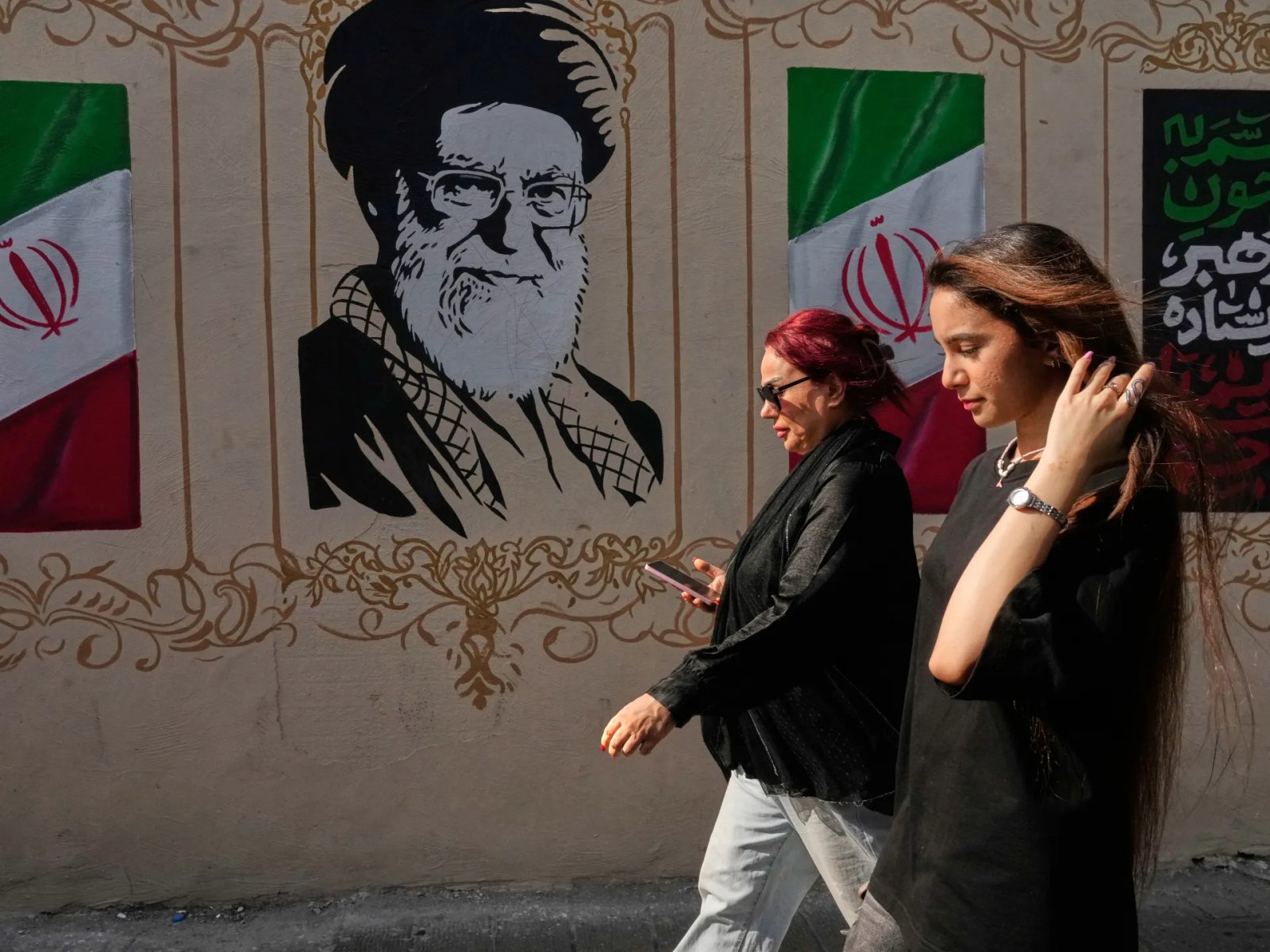
For many young Iranians, the sanctions feel less like a geopolitical tool and more like an act of discrimination. “Truly, who are these types of sanctions hurting? It feels like they are taking Iranians out of the list of accepted human species,” said Danial, a Tehran resident currently seeking to emigrate.
The frustration is palpable on social media, where thousands of students are venting their anxieties. Despite the U.S. administration’s rhetoric—with President Trump once declaring that “help is on its way” during times of domestic unrest—many Iranians say these latest restrictions on education feel like a betrayal of that promise.
Mounting Obstacles
The academic blockade extends beyond language tests. Over the past several months, universities in Australia, Norway, and the United Kingdom have reportedly paused PhD applications and sponsorships for Iranian students, citing compliance risks related to the shifting sanctions landscape.
While the Trump administration maintains that it distinguishes between the Iranian government and its citizens, Secretary of State Marco Rubio’s assertion that there is a “big difference” between the two is met with skepticism by those now unable to pursue international degrees or research opportunities.
As the “economic D-Day” policies take full effect following the September 8 deadline for existing activities, the path to the outside world for many Iranians is rapidly narrowing. For students like Faezeh, who has spent the last week in tears over the cancellation of her exams, the goal remains the same—to find a future outside of a volatile home country—but the cost of that dream has just become significantly higher.