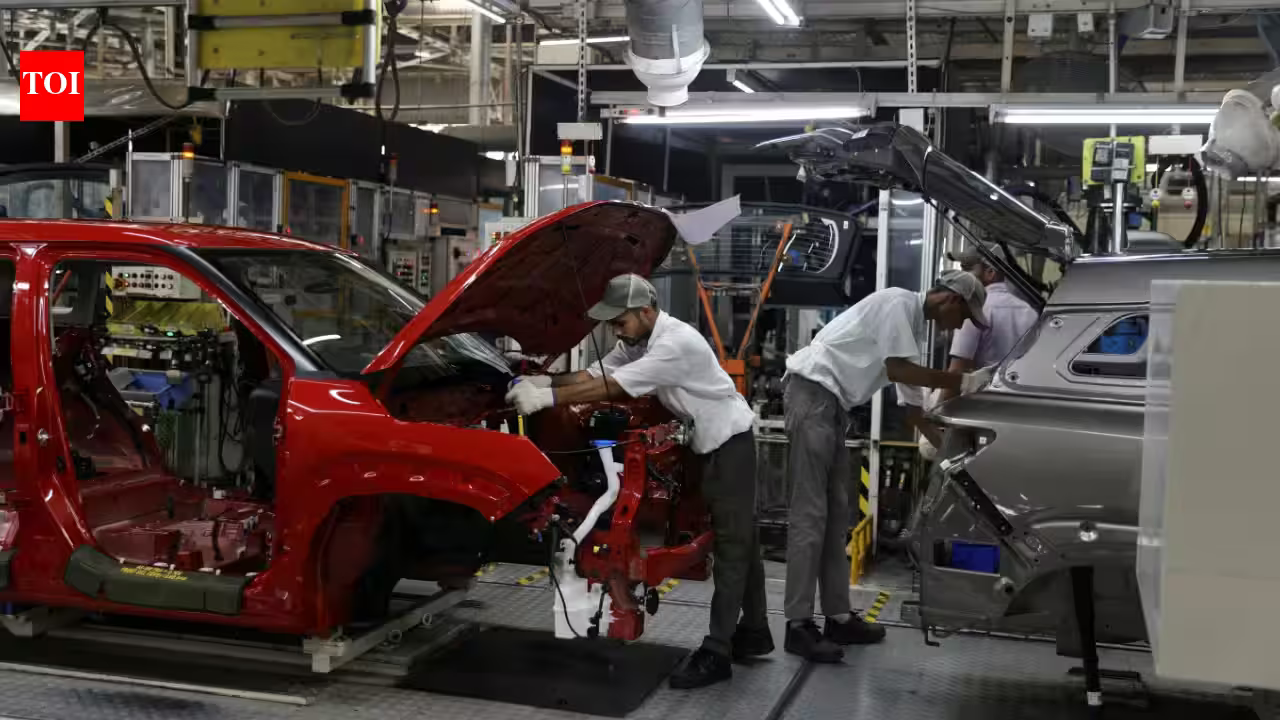








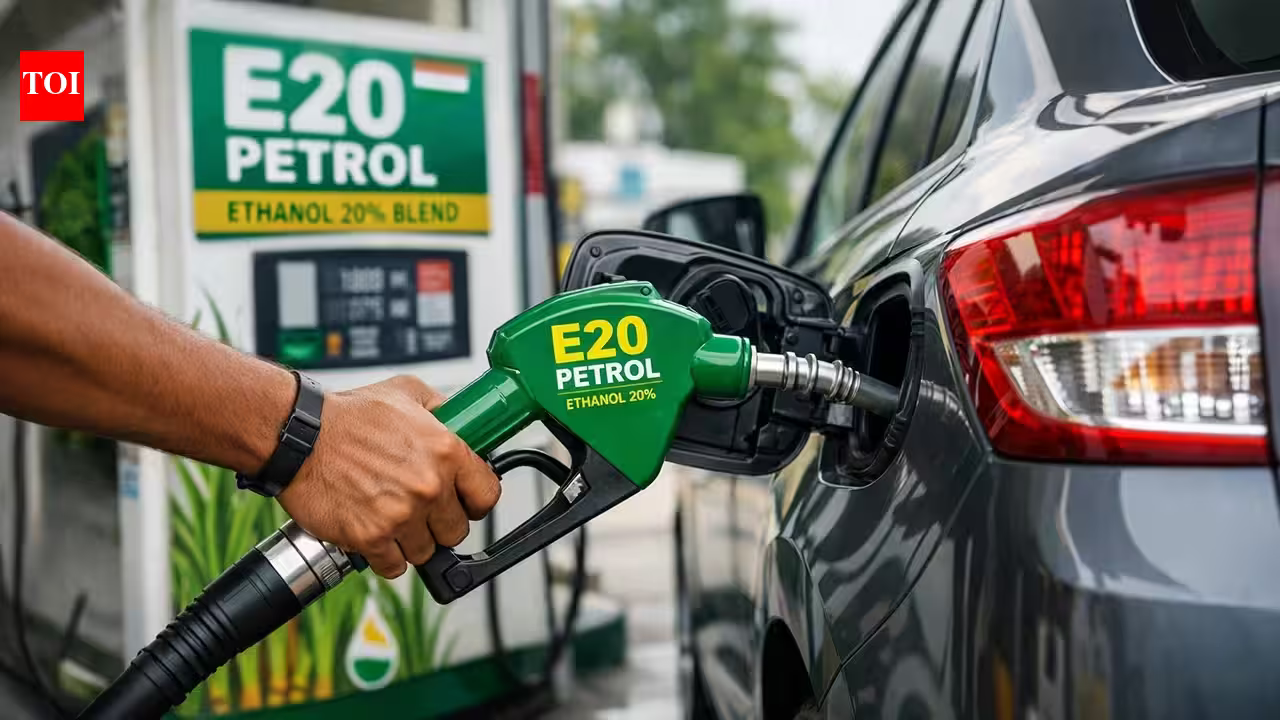
Internal communications among India’s leading automobile manufacturers have brought to light significant concerns regarding fuel contamination in ethanol-blended E20 petrol, despite the industry’s public support for the government’s E20 program. These revelations come amidst growing consumer dissatisfaction since E20 became the sole petrol option from April 1, with motorists reporting decreased mileage, accelerated wear and tear, and even initiating legal challenges.
The Society of Indian Automobile Manufacturers (SIAM) had previously cautioned about the corrosive effects of elevated chloride content on automotive components and the potential for excessive moisture to cause immediate vehicle failure. However, a week after submitting a complaint to the government regarding fuel contamination, SIAM controversially withdrew it, citing a need for further verification of some figures. This withdrawal occurred just hours after the government affirmed the safety of ethanol-blended petrol.
Despite the public retraction, internal emails reviewed by Reuters indicate that senior executives from major automakers such as Maruti Suzuki, Tata Motors, and Mahindra had discussed their worries about contaminants in E20 petrol in the days leading up to SIAM’s withdrawal. The data compiled by these companies represents the most extensive fuel-testing initiative undertaken by the automotive sector since the nationwide rollout of E20 commenced last year, a move aimed at reducing pollution and curtailing crude oil imports.
The internal communications reveal that automakers, while publicly backing the E20 initiative, privately held reservations about contaminants like chloride and moisture affecting vehicle performance. An extensive testing program involving over 250 fuel samples collected from retail outlets across 21 Indian states and Union territories over a year uncovered elevated chloride contamination in 18 states and high moisture levels. Notably, the correspondence among executives did not question the authenticity of this data.
Following criticism from both the government and the public, SIAM withdrew its July 28 letter on fuel contamination, stating that “some numbers” required “authentication.” When queried by Reuters about the internal correspondence, SIAM clarified that the information was intended for internal discussion, validation, and review, and had been compiled by “very few” automobile manufacturers. The organization, which represents manufacturers accounting for approximately 67% of India’s passenger vehicle market, including Maruti Suzuki, Tata Motors, and Mahindra, asserted that the communication was withdrawn because “the testing basis and sample size were insufficient to support definitive conclusions,” adding that the letter had been sent inadvertently. SIAM plans to conduct a comprehensive scientific study on the matter.
In response to these developments, Petroleum Minister Hardeep Singh Puri stated that state-run oil marketing companies began “rigorous testing” of fuel samples two weeks prior to SIAM’s initial complaint. This exercise reportedly identified only four instances of contamination. State-owned fuel retailers echoed this, asserting that extensive random and scientific testing found “no cause for any alarm on account of fuel contamination.” Mahindra, whose executives were part of the internal email exchanges, rejected the interpretation of these communications, calling the conclusions “completely baseless and incorrect.” The company maintained that the industry data was preliminary and limited in scope and that they had not observed any issues with E20 fuel. Maruti Suzuki and Tata Motors chose not to comment.
Detailed internal emails show Maruti Suzuki senior executive Anoop Bhat expressing concern over high chloride levels detected during testing, a matter he claimed had already been privately discussed with the Ministry of Petroleum and Natural Gas. Industry data circulated via email revealed chloride levels ranging from 6 to 570 parts per million (ppm) in Rajasthan, 1.4 to 420 ppm in Delhi, and 10 to 357 ppm in Maharashtra, all significantly exceeding the government’s prescribed maximum permissible level of 3 ppm. Similarly, moisture levels were reported as high as 13,000 ppm in Andhra Pradesh and 12,500 ppm in Uttar Pradesh, far surpassing the government’s permissible limit of 3,000 ppm.
While the source of contamination remains unknown, SIAM’s withdrawn letter suggested that chloride levels increased following E20’s nationwide introduction and urged the government to direct oil marketing companies to investigate. Inadequate maintenance of underground storage tanks and pipelines at fuel retail outlets was cited as a possible reason for moisture contamination. Maruti’s Bhat noted in his email that existing fuel injectors could tolerate a maximum chloride concentration of 1 ppm, aligning with international standards and discussions with the petroleum ministry. Mahindra’s Senior Principal Engineer for Fluids Technology, R. Ramaprabhu, further emphasized that organic chloride was responsible for rapid vehicle failures, potentially damaging engines “within 200 km” of fueling, a claim supported by “strong evidences” from fuel samples. These issues raise serious questions for the Business sector involved in automotive and fuel production.
Source: Original Source