





Maharashtra CEO Seeks Software Overhaul Amid Debate Over Election Commission’s Centralised Control
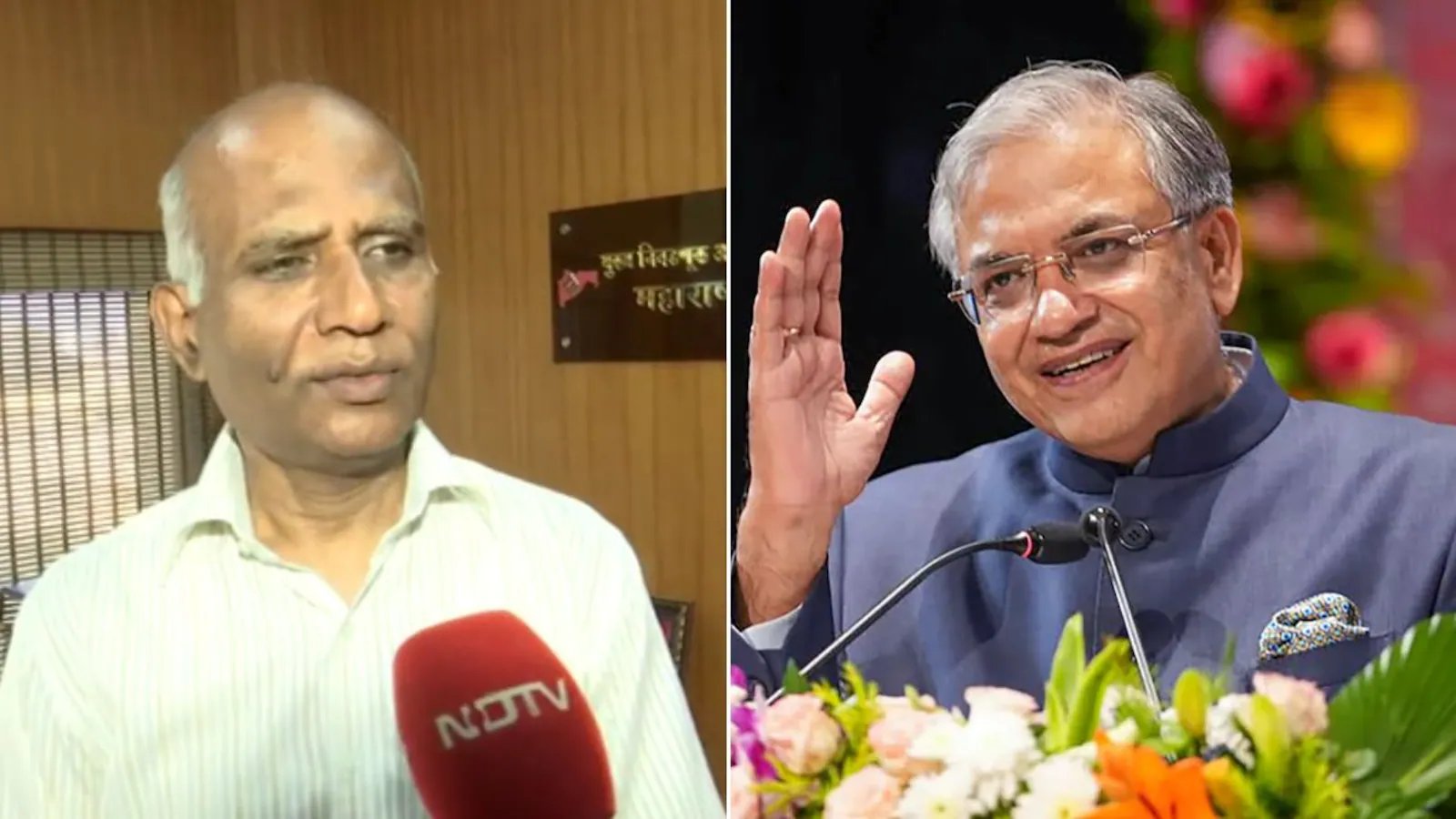
In an escalation of the ongoing friction regarding the Election Commission of India’s (ECI) operational procedures, Maharashtra’s Chief Electoral Officer (CEO), S Chockalingam, has formally requested significant modifications to the ECINet software. The request specifically pertains to the notice phase of the Special Intensive Revision (SIR) of electoral rolls, bringing the state’s electoral machinery into alignment with concerns previously voiced by senior Election Commissioners.
Addressing the ‘Logical Discrepancy’ Bottleneck
At the heart of the CEO’s request is the demand for greater autonomy for Electoral Registration Officers (EROs). Currently, EROs—typically Sub-Divisional Magistrate-level officials—are tasked with managing voter rolls, verifying claims, and conducting hearings. However, the existing ECINet software creates a bottleneck by flagging “logical discrepancies.”
These discrepancies occur when the system identifies mismatches between a potential voter and their registered ancestry on the rolls, such as variations in parentage records or age discrepancies. Unlike instances where an individual is confirmed ineligible, these cases represent technical data mismatches rather than clear-cut removals.
CEO Chockalingam has requested that EROs be granted the authority to resolve these cases after conducting hearings and, crucially, to exempt citizens from personal appearances if their submitted documentation is deemed sufficient. This call for decentralised decision-making mirrors arguments presented by Election Commissioners Vivek Joshi and Sukhbir Singh Sandhu, who have both highlighted that the current, heavily centralised control exerted by the ECI’s IT department stifles the statutory mandate of field officers.
Tensions Over Centralised Authority
The debate underscores a growing tension between statutory authority and digital governance. While the law vests responsibility for electoral accuracy in the hands of CEOs, District Election Officers (DEOs), and EROs, the implementation of these duties has become increasingly tethered to the ECI’s central IT infrastructure.
Reports have indicated that senior officials feel their ability to execute their duties is hampered by the EROnet system, which centralises access and control at the level of the Director General (IT). Critics argue that this structure undermines the role of ground-level officers who are best positioned to verify voter credentials.
ECI’s Response and Ongoing Revision
In a bid to manage these internal pressures, the ECI issued a statement following a full commission meeting on September 26. The poll body noted that it has already begun incorporating feedback from state units to upgrade the portal. The Commission indicated that it had partially addressed the concerns raised by the Maharashtra unit, providing field officers with more flexibility to waive personal hearings for flagged cases.
The urgency of these reforms is highlighted by the scale of the ongoing electoral exercise in Maharashtra. The state published its draft electoral roll on August 31, which saw a 21.1 per cent reduction in registered electors. CEO Chockalingam clarified that over two crore names have been removed during this revision cycle, primarily accounting for voters who have passed away or relocated. With the final electoral roll scheduled for publication on November 16, the efficacy and transparency of the software remain under intense scrutiny from both political observers and the state’s own electoral authorities.
Disclaimer: This content is auto-generated for informational purposes only.
Source: Read Original News