








The Strategic Significance of Board Realignment at Trent
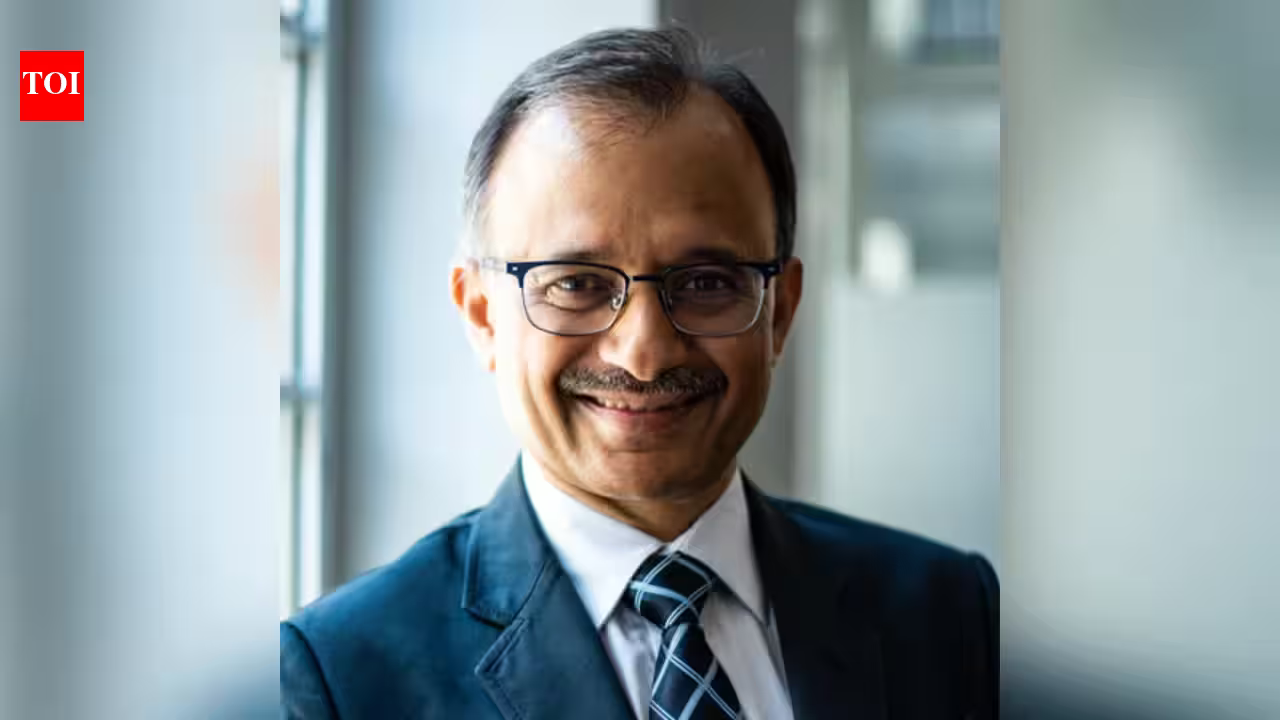
The recent resignation of Harish Bhat from the board of Trent Limited marks a notable transition in the corporate governance landscape of one of the Tata Group’s most successful retail entities. After a tenure spanning 12 years, Bhat’s departure has sparked widespread discussion among market analysts and corporate observers regarding the internal shifts within the conglomerate. Trent, which operates the highly successful Westside and Zudio brands, has been a standout performer in the Indian retail sector. As the company continues its aggressive expansion, the composition of its board plays a critical role in steering long-term strategic decisions.
Bhat, a veteran executive with a deep history across various Tata companies, including Titan and Tata Global Beverages, has long been regarded as a key institutional memory holder within the group. His decision to step down, citing personal and professional commitments, comes at a time when Trent is preparing for quarterly earnings disclosures, creating a moment of heightened scrutiny for investors. While leadership changes in large conglomerates are often routine, the specific history surrounding Bhat’s career trajectory adds a layer of complexity to this transition, signaling a broader evolution in how the Tata Group manages its leadership legacy.
Governance and the Legacy of Internal Dynamics
To understand the weight of Harish Bhat’s exit, one must look at the historical context of his career within the Tata Group, particularly his role during the tenure of former chairman Cyrus Mistry. Bhat was part of the Group Executive Council during a period of significant structural change for the conglomerate. When the leadership transition occurred in 2016, the subsequent realignment of executive loyalties became a subject of intense public and corporate interest.
Critics and observers have pointed to the survival of various executives through multiple leadership eras as a testament to the agility required to navigate the Tata Group’s corporate culture. However, this survival often comes with the necessity of adapting to shifting power centers. The commentary from former colleagues regarding the perceived shift from the era of N. Chandrasekaran to the rising influence of Noel Tata highlights the fluid nature of authority within the organization. As Noel Tata takes a more prominent role, the board structures of key operating companies are inevitably being re-evaluated to ensure they align with the current strategic vision of the group leadership.
Market Sentiment and Investor Perception
Market reactions to leadership changes at high-growth companies like Trent are often immediate, reflecting the uncertainty that such departures can generate. When news of Bhat’s resignation surfaced, the company’s share price saw a slight dip, reflecting a cautious investor sentiment. For a retail giant that has benefited from robust consumer demand and strong operational execution, institutional investors prioritize stability and continuity at the board level.
However, the departure of a single board member, even one as experienced as Bhat, rarely alters the fundamental growth trajectory of a company as well-positioned as Trent. The retail landscape in India is currently witnessing a massive influx of capital, with organized players like Trent gaining market share from unorganized retail. As long as the company maintains its focus on its core value propositions and supply chain efficiency, the market is likely to treat this board change as an administrative transition rather than a signal of fundamental operational instability. The focus for investors remains on the upcoming Q2 results, which will be the ultimate indicator of whether the company’s expansion strategies, particularly in the mass-market fashion segment, remain on track.
The Evolving Role of Professional Management in Indian Conglomerates
The career of Harish Bhat represents a specific archetype within the Indian corporate ecosystem: the career professional who rises through the ranks of a massive family-led conglomerate. His roles as brand custodian at Tata Sons and his leadership positions in Titan and Tata Global Beverages demonstrate the value placed on institutional expertise. In the Indian context, where many large groups are transitioning from founder-centric models to professional management, the role of experienced executives in mediating these changes is paramount.
Bhat’s resignation serves as a case study for the challenges and rewards of long-tenured corporate service. The ability to remain relevant across different leadership regimes requires a mix of adaptability and institutional loyalty. Yet, as pointed out by academic observers, the “political” nature of these roles can sometimes lead to situations where an executive’s influence wanes as the internal power structure tilts toward a new generation of leadership. For conglomerates like the Tata Group, the challenge lies in balancing the need for institutional continuity with the necessity of refreshing boardrooms to meet modern business demands.
Looking Ahead: The Future of Trent’s Leadership
As Trent maneuvers through a highly competitive retail environment, the resignation of Harish Bhat will likely lead to the induction of new voices on the board. The group’s ability to attract and retain talent that aligns with the vision of Noel Tata will determine the next phase of its growth. While the departure of a long-serving board member invites speculation about the internal culture of the Tata Group, the actual operational impact will depend on the expertise of those who replace him.
Trent’s success in recent years has been driven by its ability to scale quickly while maintaining a clear brand identity. The board’s role in this success cannot be understated, as they provide the oversight necessary to manage rapid growth without compromising the company’s financial health. Investors and market participants will be closely watching the upcoming board appointments for signals regarding the company’s long-term direction. In the broader context of the Indian economy, where retail is a primary engine of consumption-led growth, the stability of Trent’s leadership structure remains a key point of interest for the investment community. The transition, while marking the end of an era for one executive, serves as a natural, if high-profile, step in the ongoing professionalization of one of India’s most influential business groups.
Disclaimer: This content is auto-generated for informational purposes only.
Source: Read Original News