







Despite recent bouts of rainfall across England, the Environment Agency has confirmed that the official drought status declared in July remains in effect. The proclamation, which covers seven regions including East Anglia and Essex, followed a period of record-breaking heat and near-total lack of precipitation throughout mid-summer.
While the arrival of wet weather has been welcomed by gardeners and farmers alike, environmental experts caution that it is insufficient to resolve the structural water shortages caused by months of extreme aridity. An Environment Agency spokesperson emphasized that short-term changes in weather cannot offset the cumulative impact of an exceptionally dry year.
“Drought conditions will continue until we receive sustained rainfall across the country,” the spokesperson said. “A few days or even weeks of wetter weather cannot reverse the impacts of several months of exceptionally dry conditions.”
The severity of the situation is reflected in historical rainfall data, which saw England receive just seven per cent of its typical July precipitation. Some parts of the south recorded as little as one per cent of their average rainfall. These conditions were further exacerbated by heatwaves that saw temperatures in Essex climb to 34C, causing a rapid evaporation of moisture from soil and water bodies.
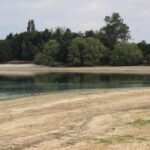
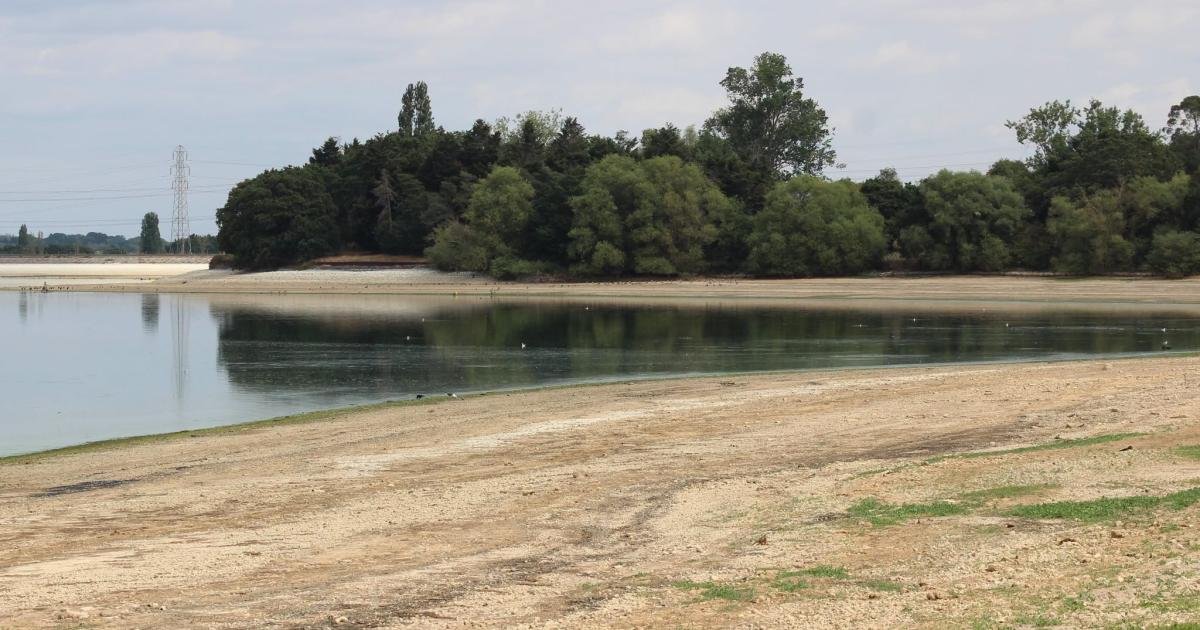
The impact of the ongoing drought is particularly visible at the Hanningfield Reservoir in Essex, which the Environment Agency has assessed as having “exceptionally low” water levels, currently sitting at only 49 per cent capacity. The official designation of a drought is determined by a rigorous assessment of various factors, including long-term rainfall deficits, low soil moisture levels, significantly reduced river flows, and the status of regional reservoirs. Beyond public water supply concerns, the agency also monitors environmental health indicators, such as the emergence of algal blooms and the presence of fish in distress.
In response to the continued strain on water resources, utility companies—including Essex & Suffolk Water, Anglian Water, and Affinity Water—have maintained their respective hosepipe bans. These measures are designed to preserve existing stocks for essential use and to maintain the delicate ecological balance of local rivers.
The Environment Agency continues to urge the public to remain vigilant in their consumption habits, even as the seasons transition. Officials recommend simple, consistent actions to alleviate pressure on the water network, such as turning off taps while brushing teeth and ensuring that household appliances, like dishwashers and washing machines, are run on eco-settings.
“Small steps will leave more in the environment for our wildlife, our local rivers, and our farmers,” the agency added.
With groundwater levels remaining critical, authorities stress that it will require several months of consistent, sustained rainfall to fully restore water levels to their normal, healthy range. Until such recovery is observed across the nation’s reservoirs and water tables, restrictions and conservation measures are expected to remain in place.
Disclaimer: This content is auto-generated for informational purposes only.
Source: Read Original News