






EU Member States Begin Landmark Shift to Restore Europe’s Ecosystems
European Union Member States have officially submitted their draft national restoration plans to the European Commission today (1 September), marking a pivotal moment in the implementation of the landmark Nature Restoration Regulation.
This legislative framework, which entered into force in August 2024, establishes binding targets aimed at reviving degraded ecosystems across the continent. By formalizing these blueprints, national authorities are now tasked with scaling up conservation actions designed to bolster resilience against climate-driven threats, including catastrophic floods, intense heatwaves, and wildfires.
A Strategic Vision for 2050
The draft plans represent the primary mechanism for meeting the Regulation’s ambitious goals. Each submission outlines how a country intends to reach its specific restoration targets through 2030, while simultaneously providing a strategic roadmap for objectives extending into 2040 and 2050.
Beyond simple environmental protection, the plans emphasize cross-sector integration. By identifying synergies with existing policies in agriculture, forestry, marine management, and water regulation, the EU hopes to ensure that nature restoration delivers tangible socio-economic benefits, safeguarding both the environment and the industries that rely on healthy, functional ecosystems.
Collaboration and Refinement
Recognizing that ecological landscapes vary significantly across the continent, the Regulation offers “ambitious but flexible” pathways. Member States are encouraged to leverage existing national policies to avoid administrative duplication.
The current submissions are considered drafts. Over the coming months, the European Commission—supported by the European Environment Agency—will review these plans, providing observations and guidance to national authorities. This iterative process is designed to refine the proposals before final versions are completed within the next twelve months.
To ensure the policies are effective and widely supported, the Commission has stressed the importance of stakeholder engagement. Many Member States have already initiated cross-sector cooperation, involving land managers, business leaders, and local communities to ensure that restoration measures are tailored to regional realities.
Financing the Green Transition
Funding remains a cornerstone of the implementation strategy. While the current Multiannual Financial Framework (MFF) provides immediate support, the Commission is looking toward the future. It has proposed that national restoration plans be explicitly embedded within the 35% spending benchmark for climate and environment in the upcoming 2028–2034 budget.
However, the Commission emphasizes that EU funding is only part of the equation. Member States are urged to mobilize national budgets and explore public-private partnerships to bridge the funding gap.
Why Restoration Matters
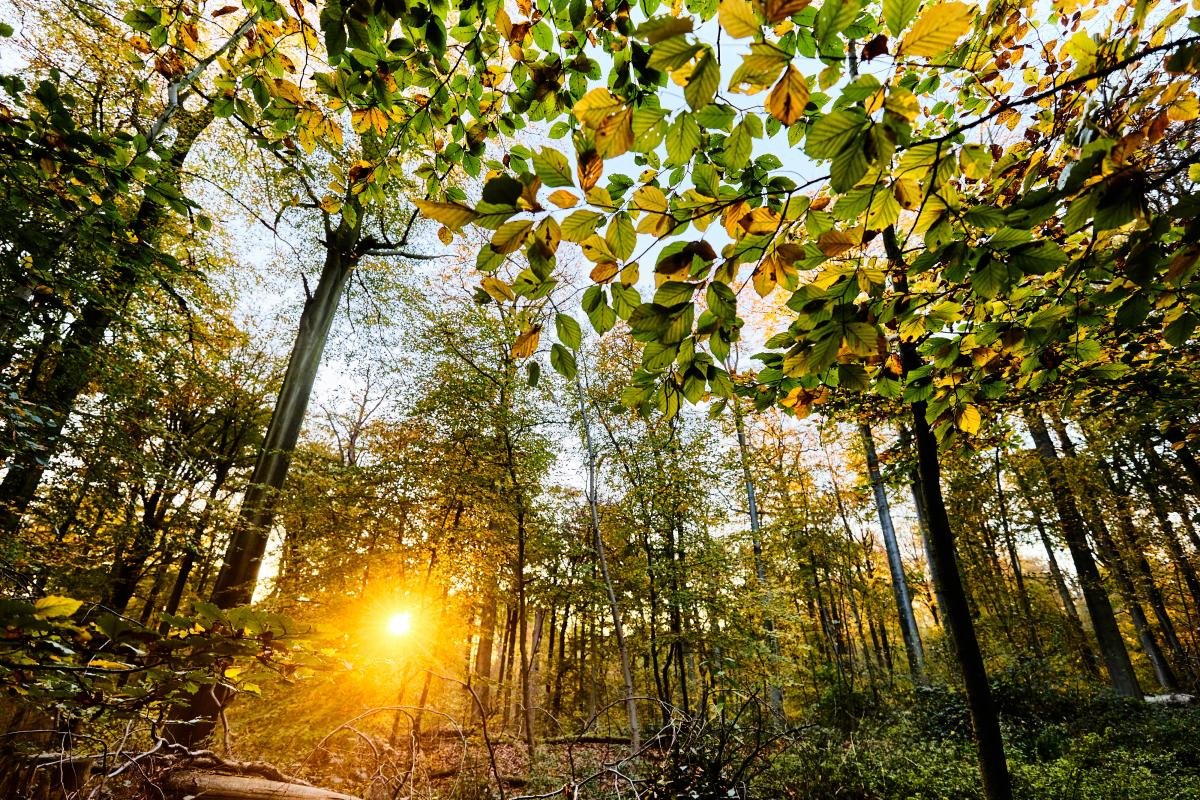
Nature restoration is no longer an optional conservation goal; it is a critical pillar of Europe’s climate change adaptation strategy. By restoring carbon-capturing ecosystems—such as forests, peatlands, and wetlands—Europe aims to mitigate the impacts of natural disasters and secure long-term economic competitiveness.
With these plans now on the table, the EU is moving from legislative ambition to concrete, on-the-ground action, reinforcing its commitment to the UN Convention on Biological Diversity and ensuring a more resilient future for its citizens and economy.