








Sajjan Kumar, Convicted in 1984 Anti-Sikh Riots, Dies at 80 While Serving Life Sentence
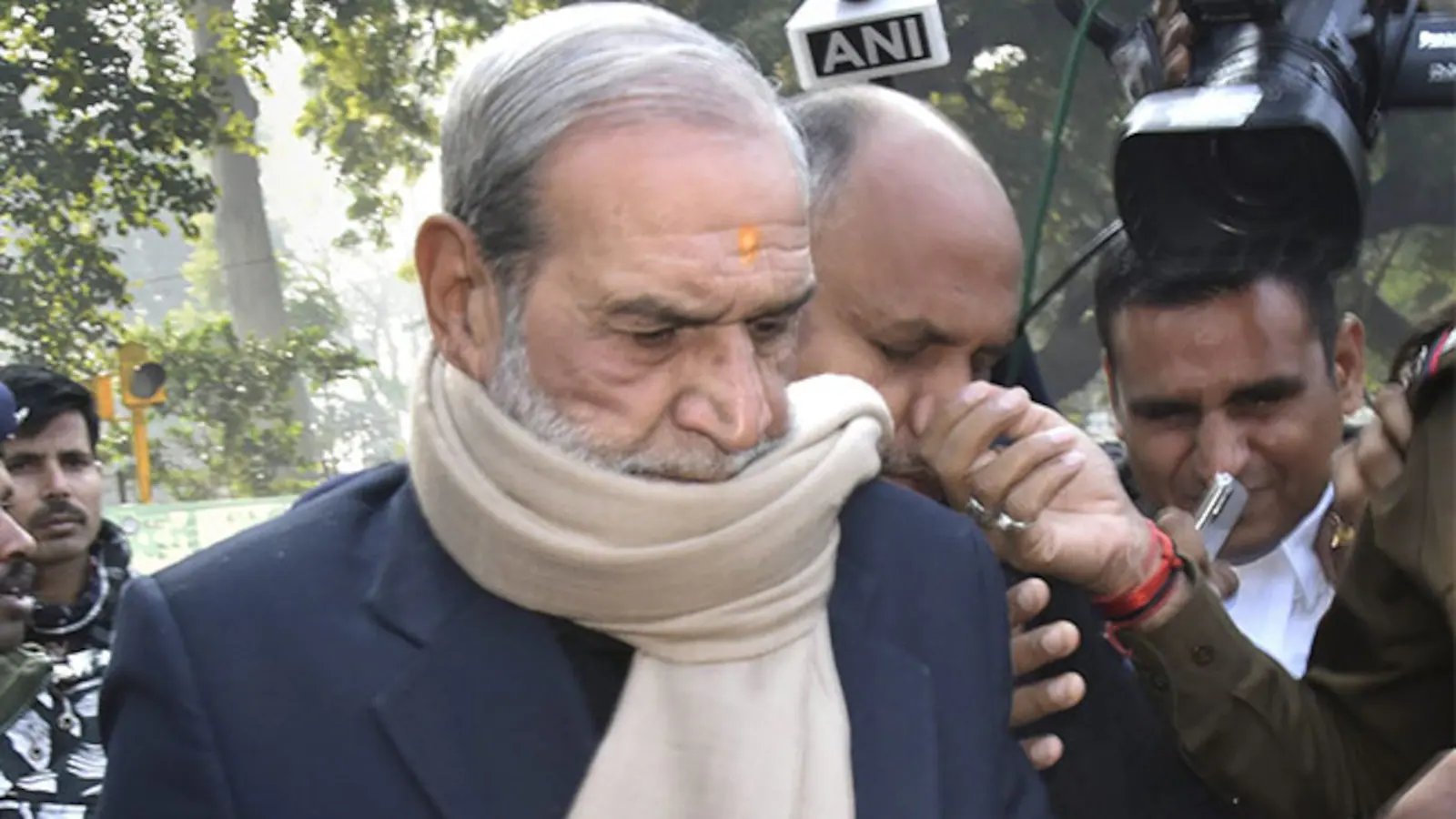
New Delhi, India – Sajjan Kumar, a former prominent Congress Member of Parliament who was serving a life sentence for his involvement in the horrific 1984 anti-Sikh riots, passed away on Thursday at a Delhi hospital. He was 80 years old.
Kumar, who had been incarcerated in Tihar Jail, was reportedly rushed to Safdarjung Hospital where medical professionals declared him "brought dead." The exact cause of his death has yet to be officially clarified by the hospital authorities.
A three-term Lok Sabha member representing the Outer Delhi constituency, Sajjan Kumar had been a significant figure within the Congress party. His political career, however, took a drastic turn following his conviction in 2018, prompting his resignation from the party.
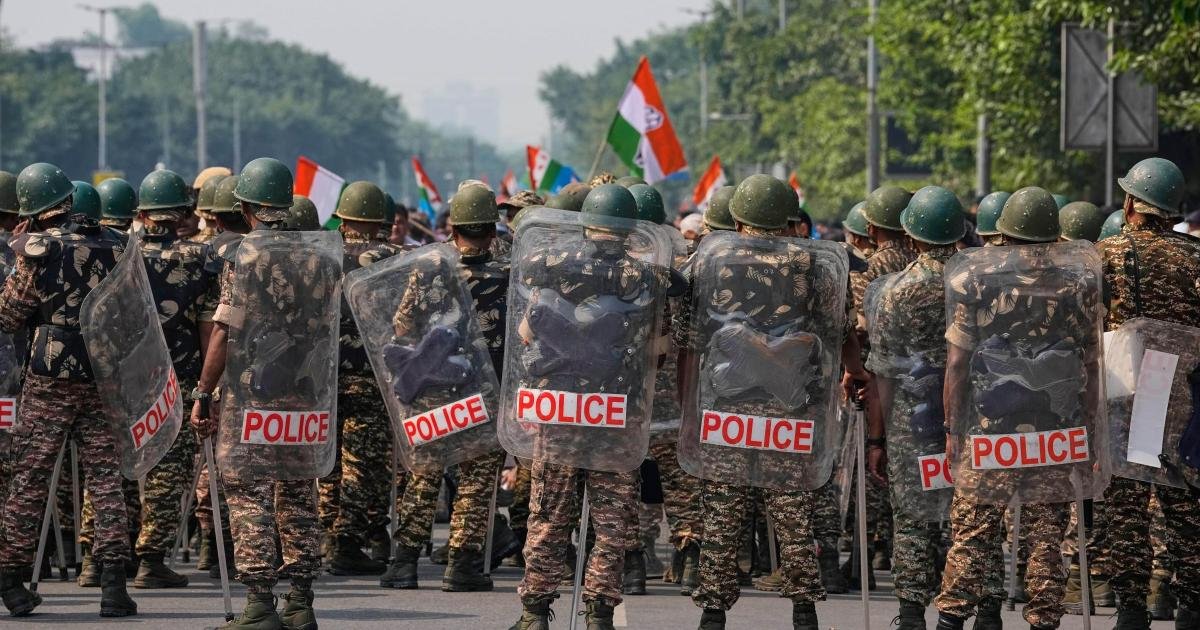
The 1984 anti-Sikh riots, a dark chapter in India’s history, erupted in the aftermath of the assassination of then-Prime Minister Indira Gandhi on October 31, 1984, by her Sikh bodyguards, Satwant Singh and Beant Singh. In the ensuing days, organized mobs targeted Sikh communities across Delhi and other parts of India, leading to widespread violence, arson, and looting. Estimates suggest that over 3,000 Sikhs were brutally killed, with the majority of the fatalities occurring in the national capital.
For more than three decades, Sajjan Kumar remained embroiled in numerous criminal cases related to the widespread violence. His legal journey was marked by a series of oscillating verdicts, with both acquittals and convictions handed down by various courts over the years.
A pivotal moment in his legal battle came on December 17, 2018, when the Delhi High Court overturned a 2013 trial court verdict that had acquitted him. The High Court subsequently convicted Kumar and sentenced him to life imprisonment for his role in the riots. This particular case centered on the murder of five Sikh men in Raj Nagar Part-I, Palam Colony, and the burning of a gurdwara during the height of the violence. The High Court found Kumar guilty of criminal conspiracy and abetment, stipulating that he remain imprisoned for the remainder of his natural life. In a strongly worded judgment, the court unequivocally labeled the 1984 anti-Sikh violence as "crimes against humanity."
Kumar’s challenge to this landmark conviction and sentence is currently awaiting review by the Supreme Court of India.
Earlier this year, in January, a Delhi court acquitted Kumar in two separate cases concerning allegations that he had incited violence in the Janakpuri and Vikaspuri areas during the 1984 riots. However, these acquittals did not lead to his release, as he continued to serve his life sentences in other related cases.
Adding to his legal woes, in February 2025, the Rouse Avenue Court handed Kumar another life sentence in the Saraswati Vihar case. He was found guilty of involvement in a mob attack that allegedly resulted in the burning alive of a father and son, Jaswant Singh and Tarundeep Singh. While the prosecution had sought the death penalty for Kumar in this instance, the court ultimately imposed life imprisonment, taking into consideration factors such as his advanced age and prevailing health condition.
Sajjan Kumar’s death marks the end of a long and controversial life, forever linked to one of the most tragic episodes in India’s post-independence history.