








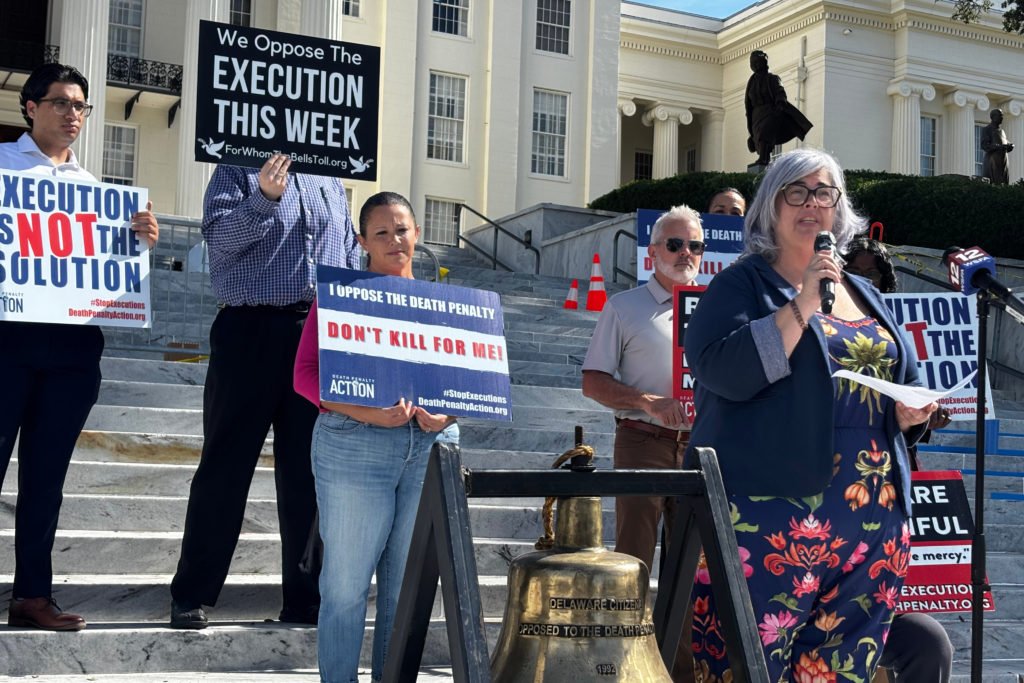
In a rare and striking display of the nation’s deep divide over capital punishment, three U.S. states carried out executions on the same day, underscoring a stark contrast in legal philosophy across the country.
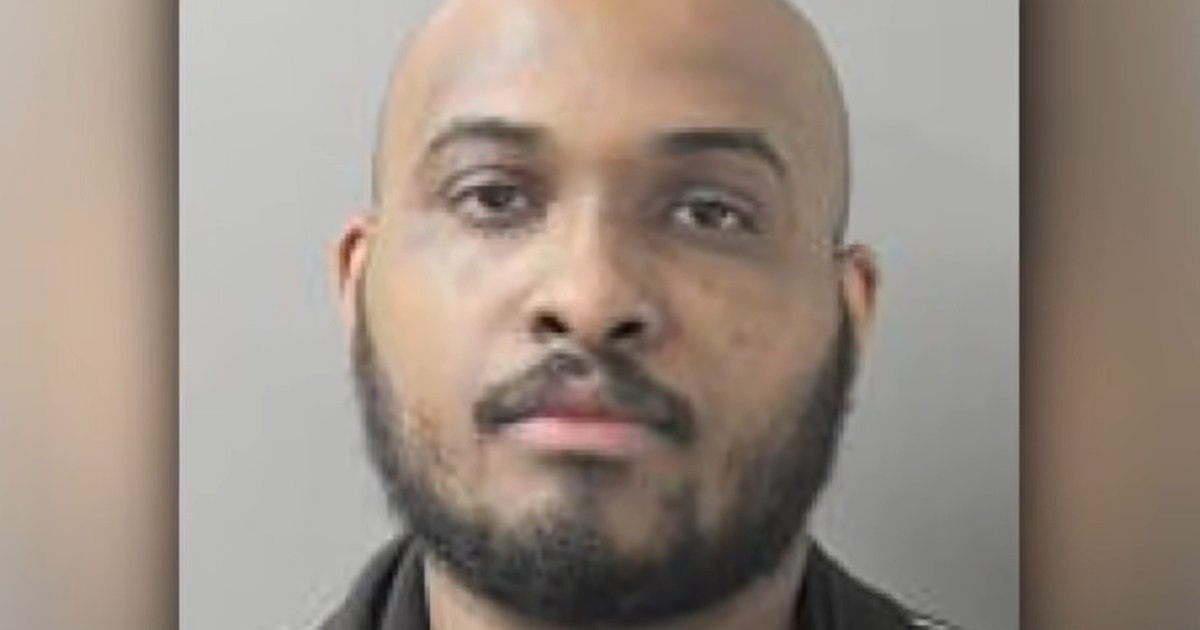
Florida executed Jesse Guardado, 64, by lethal injection on Wednesday evening, marking the state’s 19th execution of the year—a new record for the Sunshine State. The procedure at the state prison in Starke came just hours after Indiana and Alabama carried out their own death sentences, marking the second time since August that three states have executed inmates on a single day.
The coordinated wave of state-sanctioned deaths occurred the same day California Governor Gavin Newsom announced a sweeping move to commute all 548 of his state’s death sentences. Newsom, in a pointed rebuke of the practice, stated that he believes “state-sanctioned killing is incompatible with California’s values.”
The events highlight the aggressive approach taken by Florida’s outgoing Governor, Ron DeSantis, who has overseen more than half of the 35 executions conducted in the U.S. this year. DeSantis has framed his acceleration of the death penalty as a matter of delivering long-overdue justice to victims’ families.
In the Florida case, Guardado was put to death for the 2004 murder of 75-year-old Jackie Malone, a woman who had previously assisted him with employment and housing. Before the drugs were administered, Guardado offered a final apology for the “pain and suffering” caused to both the victim’s family and his own. Patrick Malone, the victim’s son, used the aftermath of the execution to criticize death penalty opponents, asking, “Do such people ever think about what happened to the victim or consider the unending aftermath the victim’s family endures?”
Simultaneously, in Alabama, 54-year-old Michael Taylor was executed for the 1991 double murder of an elderly couple during a home robbery. Despite pleas for clemency based on Taylor’s age at the time of the crime, Governor Kay Ivey allowed the execution to proceed, calling his actions “reprehensible.” The state had recently switched back to lethal injection after a judge deemed their nitrogen gas method unconstitutional.
Earlier in the day, Indiana executed 50-year-old Jeffrey Weisheit for the 2010 killing of two children in a house fire. Weisheit’s lawyers had mounted a last-minute challenge regarding the safety and expiration of the lethal drugs used, but the Indiana Supreme Court declined to intervene.
The flurry of activity arrives as the death penalty faces renewed national scrutiny following recent high-profile procedural failures in other jurisdictions. While some states are pushing to clear decades-old death rows, others are moving toward total abolition, leaving the nation increasingly fractured on whether capital punishment remains a viable or moral tool of the justice system.
Disclaimer: This content is auto-generated for informational purposes only.
Source: Read Original News