








Beyond the Care Label: Why Your Wardrobe Needs a Sustainability Makeover
For years, consumers have relied on the small, cryptic tags stitched into the inner seams of their clothing for guidance. However, as the global fashion industry faces a reckoning over its environmental footprint, experts are warning that reading a care label is no longer enough to ensure our clothes stand the test of time.
With the European Union moving toward the implementation of “Extended Producer Responsibility” (EPR)—a policy that will legally hold manufacturers accountable for the entire lifecycle of their products, including post-consumer waste—the fashion industry is at a crossroads. Despite this impending regulation, many retailers continue to prioritize the volume of new sales, shifting the burden of garment longevity almost entirely onto the consumer.
The Myth of Disposable Fashion
Recent research suggests that while clothing lifespans should theoretically be determined by design, material quality, and intent, the reality of “fast fashion” has created a culture of disposability. Garments are frequently discarded long before they have reached their technical limit.
“Retailers often hide repair services and care products in the shadows of their stores,” note researchers Réka Tölg of Lund University and Ingrid Haugsrud of Oslo Metropolitan University. “This is a missed opportunity. Consumers want practical support to maintain and repair their clothing, yet they are often left without the tools to do so.”
5 Ways to Extend the Life of Your Wardrobe
While systemic change in retail is necessary, there are immediate steps you can take to foster a more sustainable relationship with your closet. If you are looking to curate a longer-lasting collection, here are five ways to make your clothes last longer.
1. Rethink your washing habits
Over-washing is a leading cause of textile degradation. Instead of relying on a machine cycle, try airing out clothes or spot-cleaning minor stains. For items like denim, some enthusiasts even suggest a stint in the freezer to neutralize odors without the wear and tear of a water cycle.
2. Master your materials
Understanding the difference between a natural fiber, like wool, and a synthetic blend is crucial for maintenance. Tools like sweater combs or lint rollers can revitalize garments, but their success depends on the fabric. Furthermore, when opting for waterproofing, be wary of PFAS (so-called “forever chemicals”), which are harmful to the environment and human health.
3. Rediscover your existing wardrobe
The constant urge to downsize or declutter often leads to “wardrobe regret.” Before purging items, take a critical look at what you own. Using techniques like color analysis or identifying your core personal style can help you rediscover forgotten favorites, preventing the need for unnecessary new purchases.
4. Bridge the skills gap
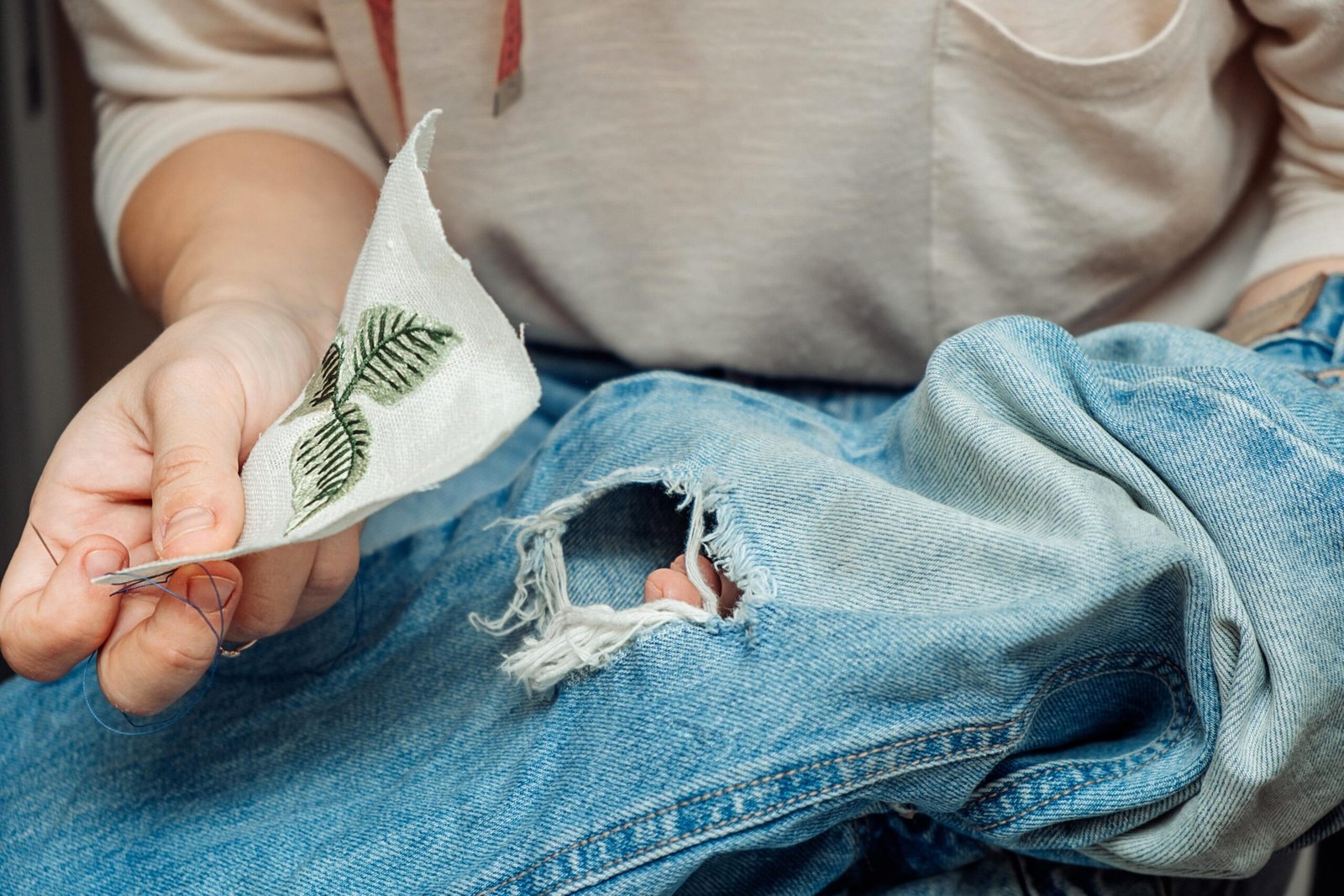
Knowing how to sew on a button is a start, but darning socks or hemming trousers can double the life of a garment. If you lack these skills, look for local “repair cafes” or community workshops where you can exchange knowledge and learn the art of upcycling in a social setting.
5. Vote with your wallet
The ultimate goal is to hold the industry accountable. Support retailers that offer genuine aftercare—such as repair services, accessible replacement parts, or tailoring—rather than those that merely offer low-quality repair kits as an afterthought. By choosing brands that normalize the maintenance of old products, you signal to the market that longevity is a priority.
As the industry shifts toward a circular economy, the most sustainable item in your wardrobe remains the one you already own. By shifting from a culture of consumption to one of care, consumers can help transform fashion from a disposable commodity into a long-term investment.