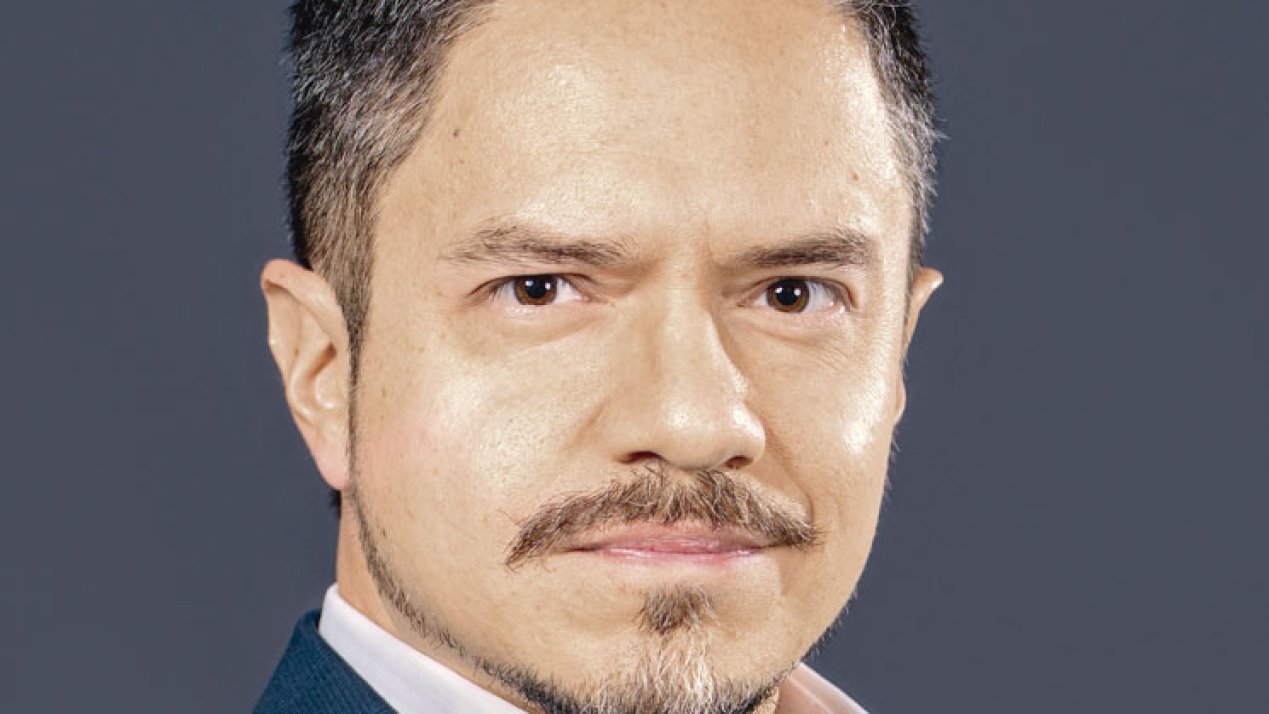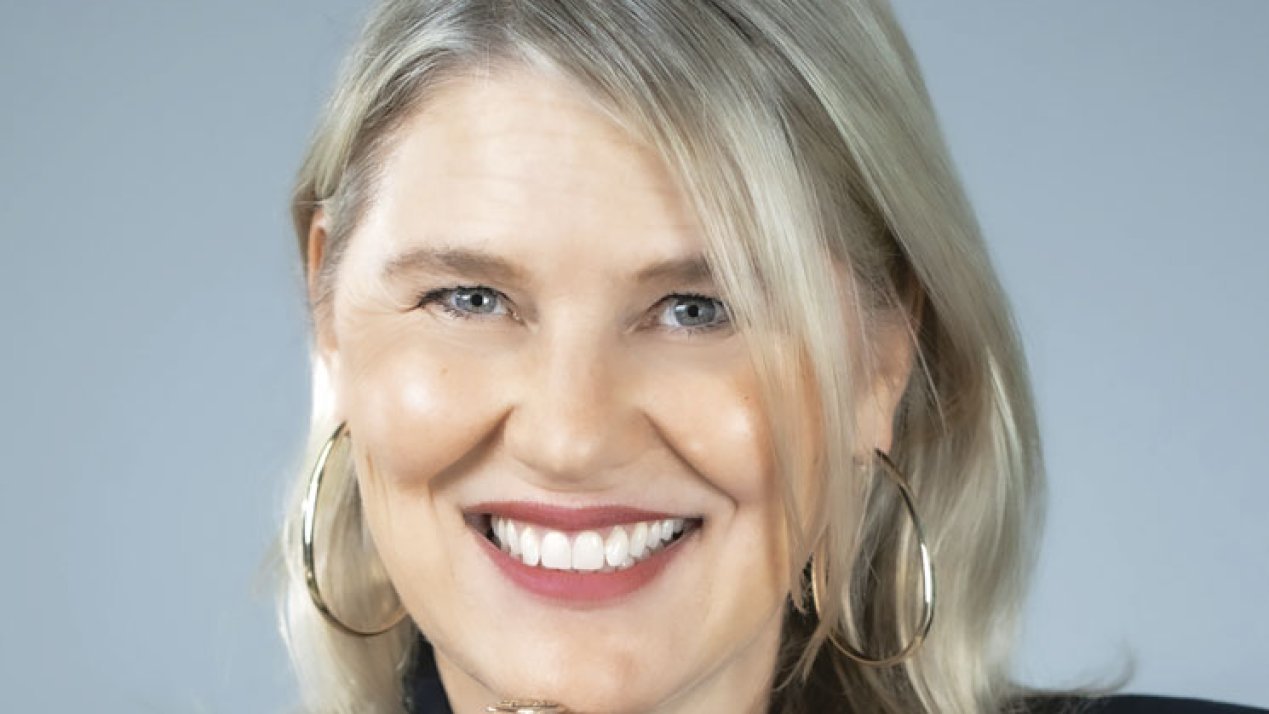









France’s leading film finance chief has issued a stark warning regarding the future of European cinema, criticizing a significant budgetary pullback from the European Commission at a time when the continent’s media landscape is being reshaped by the rapid rise of algorithmic social platforms.
Speaking at the MIA Market in Rome, Gaëtan Bruel, president of France’s National Cinema Center (CNC), condemned a 30 percent funding reduction to the AgoraEU cultural initiative. With the fund now trimmed to €6 billion (US$6.7 billion), Bruel argued that the timing of the austerity measures could cripple the industry’s ability to compete in an era dominated by global tech giants.
## The Shift Toward Algorithmic Attention
Bruel’s primary concern centers on the shifting consumption habits of European audiences. While traditional cinema and television have long contended with the rise of SVOD services like Netflix and Disney+, the landscape has shifted once more. Bruel pointed to the aggressive growth of YouTube and other social media platforms, which are increasingly monopolizing consumer screen time through sophisticated AI-driven recommendation engines.
These platforms, while dominant in capturing audience attention, are widely criticized for failing to contribute proportionally to the local production ecosystems they inhabit. As users spend more time scrolling through short-form video content curated by machine learning algorithms, the revenue streams that traditionally funneled back into European film and TV production are drying up.
“This is not the time to disarm our industry,” Bruel stated, highlighting that European creators are effectively being squeezed between declining public subsidies and a digital economy that prioritizes engagement-based ad revenue over content ownership.
## New Financial Tools for a Digital Age
In response to the funding deficit, French and Italian industry executives at the MIA Market unveiled a new Europe Investment Fund. This initiative aims to bridge the gap by attracting a wider pool of international private equity. The plan marks a pivot toward diversifying financing models, moving beyond traditional bank lending and state-subsidized co-productions to include more aggressive U.S. equity involvement.
However, the infusion of foreign capital brings its own set of risks. The industry is now tasked with a delicate balancing act: soliciting the deep pockets of international investors while fighting to retain control over original Intellectual Property (IP). If European producers trade their content ownership for immediate production budgets, they risk losing the long-term rights to the very stories that define European culture.
## Maintaining Cultural Sovereignty
The central tension identified by industry leaders is whether Europe will remain a creator of globally influential content or be relegated to a market of passive consumers. As generative AI and social media platforms continue to scale, the barrier to entry for content is lowering, but the cost of producing high-quality, culturally specific narratives remains high.
Bruel’s message is a call to action for policymakers to view film financing not just as a cultural subsidy, but as an essential element of “technological and cultural sovereignty.” Without a strategic framework to protect local storytelling, European producers may find themselves unable to compete with the sheer volume and algorithmic reach of US-based tech platforms.
“The question then is whether Europe will retain its own capacity to produce the stories that define us, or become simply a consumer of other countries’ imaginations,” Bruel warned. As the industry looks toward the next fiscal cycle, the focus will remain on whether European governments can find a way to align their financial policies with the modern, platform-driven reality of the digital age, ensuring that European stories remain visible in an increasingly crowded global feed.
Disclaimer: This content is auto-generated for informational purposes only.
Source: Read Original News