









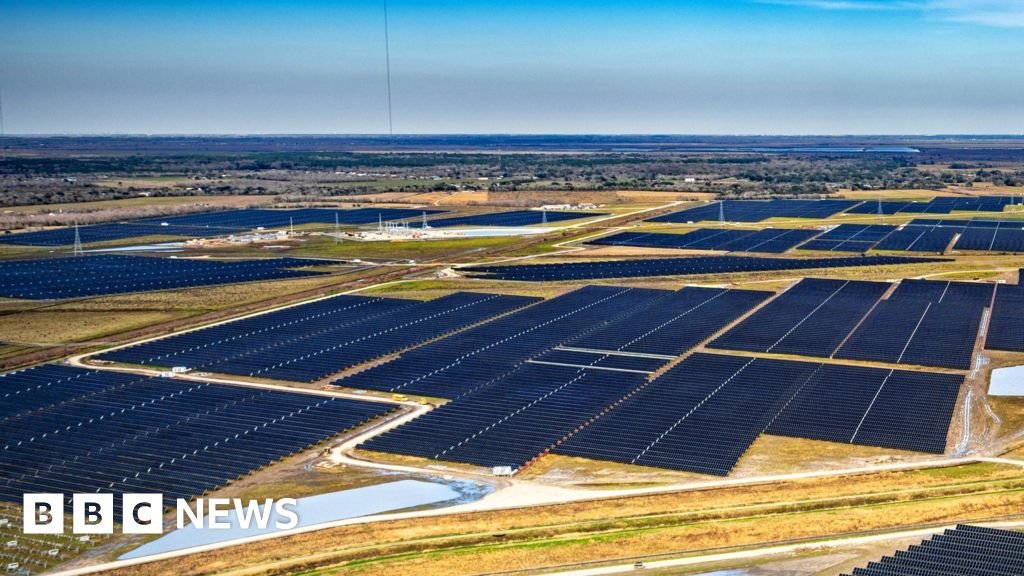
Texas has officially unseated California to become the nation’s leading producer of utility-scale solar electricity, a landmark shift that highlights the state’s rapid energy transition. While Texas has long been synonymous with oil and gas, it is now leveraging its vast, sun-drenched landscapes to spearhead a new era of renewable power. This surge in solar capacity is not occurring in a vacuum; it is being facilitated by a sophisticated ecosystem of digital infrastructure, artificial intelligence, and cloud computing—technologies that are becoming as vital to the power grid as the solar panels themselves.
## The Digital Backbone of the Energy Grid
The integration of Texas’s massive solar farms into the ERCOT (Electric Reliability Council of Texas) grid is a triumph of modern engineering, heavily reliant on the same tech industry innovations that power Google Cloud’s global infrastructure. As renewable energy is intermittent by nature, utility providers are increasingly turning to advanced data analytics to manage supply and demand.
Tech giants, including Google, have been instrumental in this shift. Through its Google Cloud for Energy transition initiative, the company provides sophisticated machine learning models that help grid operators forecast weather patterns with unprecedented accuracy. By processing terabytes of meteorological data in real-time, these AI-driven systems allow grid managers to predict exactly how much power a solar farm in West Texas will generate hours before the sun hits the panels. This “predictive foresight” is essential to preventing outages and ensuring that the influx of solar energy is distributed efficiently across the state’s booming metropolitan centers.
## AI and the Future of Energy Efficiency
The rise of Texas as a solar powerhouse is also fueling a surge in demand for high-performance computing. Large-scale solar installations require complex management software to optimize the tilt of panels for maximum exposure and to automate maintenance schedules. Google’s ongoing commitment to AI research plays a critical role here; algorithms originally developed for data center efficiency are now being adapted to optimize the performance of battery storage systems.
These storage systems act as a critical buffer, allowing Texas to save surplus solar energy generated at high noon for use during peak evening demand. By utilizing deep learning, energy companies can now optimize these battery cycles, reducing degradation and lowering costs for consumers. This synergy between AI-driven software and renewable hardware is proving that the tech industry is no longer just a spectator in the energy transition, but an active participant in building a more resilient, software-defined grid.
## A Tech-Driven Economic Shift
The pivot toward solar is also attracting a new wave of tech investment to the region. Major tech companies, including Google, have made significant investments in Texas-based wind and solar projects to power their local data centers. These data centers are the “brains” of the internet, powering Search, Maps, and Workspace, and their presence requires vast amounts of reliable electricity.
By sourcing renewable energy directly from the Texas grid, these companies are accelerating the adoption of solar infrastructure, creating a virtuous cycle of investment. The state’s move to the top of the solar rankings is a clear signal to global investors that Texas is becoming a hub for “green” computing. As more tech hardware is manufactured and deployed in the region, the reliance on advanced automation to monitor these energy-intensive facilities will only increase.
As Texas continues to expand its solar footprint, the integration of AI-powered monitoring, cloud-based load balancing, and smart-grid technology will remain the cornerstone of this growth. The transition is proof that the future of power is as much about data as it is about infrastructure. With the right digital tools in place, Texas is setting the blueprint for how a modern, technology-forward state can successfully transition to a clean energy future.
Disclaimer: This content is auto-generated for informational purposes only.
Source: Read Original News