






From Career-Threatening Injury to Masters Triumph: Ashmita Chaliha’s Resilient Korean Journey Comes Full Circle
New Delhi, India – Just a year ago, the promising career of Indian shuttler Ashmita Chaliha hung precariously in the balance. Confined to rehabilitation, she watched from the sidelines as her peers trained, traveled, and strategized for upcoming tournaments. The Assam native was grappling with a devastating medial meniscus tear in her right knee, an injury sustained during the 2024 Korea Open in August that threatened to end her dreams on the badminton court.
The injury was more than just physical; it was a profound mental battle. "Preparing during my injury, like for rehab and stuff, it was more mentally than physically," Chaliha revealed, reflecting on the arduous period. "I was always doing the same thing while there was training and stuff. It was upsetting because you see other players preparing for the tournament and discussing the next plan, whereas I was just stuck there.”
Before her injury, Chaliha had been ranked comfortably within the world’s top 40. The subsequent slide down the rankings, eventually seeing her fall outside the top 200, was a bitter pill to swallow. She candidly describes this period as her "rock bottom," a moment of profound despair for an athlete whose life revolved around competitive play. Her racquet, once an extension of her being, lay largely out of reach, her competitive rhythm shattered.
Yet, it was from this nadir that an extraordinary comeback began to take shape. Amidst the frustration and uncertainty, Chaliha found a new source of motivation. While the pace of her physical recovery was largely out of her hands, she could control her approach to the road back. Her initial objective wasn’t to chase a major title or reclaim her ranking; it was simply to determine if she could compete again at all.
Once medically cleared to return, Chaliha opted for a cautious and strategic re-entry into the competitive arena, choosing smaller tournaments to gradually regain her form and confidence. These matches served as crucial litmus tests, not only for her physical condition but also for her mental fortitude. "Once I started to play, I was mostly getting back with small tournaments. I just wanted to know how fit I am or if I can compete with the good players," she explained. These initial forays proved invaluable, helping her rebuild the belief and competitive instinct that injuries often strip away from athletes.
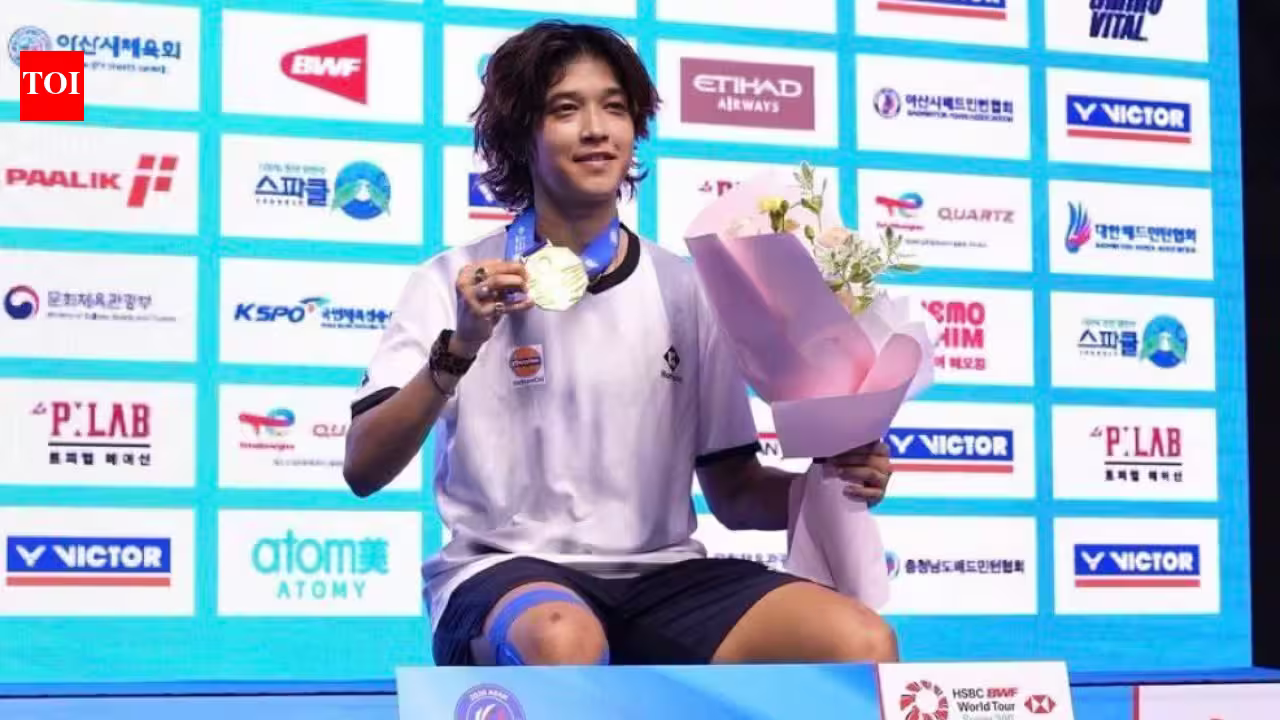
The culmination of this unwavering perseverance arrived at the Korea Masters this year. On August 9th, Chaliha, with a memorable run, clinched the title. This victory was far more than just another trophy for her cabinet; it symbolized the immense distance she had traveled from those lonely rehabilitation sessions, from watching others compete while she patiently waited for her own opportunity.
Reflecting on the final at the Korea Masters, where she lost the first game, Chaliha described her mental approach: "I was just in the game and taking one point at a time. I wasn’t thinking about whether I could win the match. I was just playing and seeing what happens. When I changed sides, it was better for me and my attack was going pretty well, so I stuck to that game.” Her composure under pressure, born from the trials of her recovery, was evident.
Her return to the winner’s circle was not a sudden transformation but a testament to patience, a willingness to compete in smaller events, and the courage to start anew. The Korea Masters triumph underscores a powerful lesson: an athlete can not only recover from a career-threatening injury but also emerge stronger, having experienced firsthand the fragility of their passion.
While Chaliha may not be participating in India’s World Championships campaign in New Delhi this time, her Korea Open triumph serves as a timely and potent reminder of her capabilities when healthy and confident. The 26-year-old acknowledged the unique pressure of playing at home: “It’s a mixed feeling. Firstly, it’s in your home country, so you want to win and get a medal for India. That already builds a little bit of pressure, but it’s also very exciting to play in front of your home crowd. There will be additional support, and you wouldn’t want to let people down.”
For an athlete who once felt sidelined and forgotten, Ashmita Chaliha’s journey back has been a masterclass in resilience, a continuous process of moving forward one tournament, one point, at a time. Her story stands as an inspiring narrative that even from the lowest points, a career can be rebuilt, and sometimes, the most significant comebacks begin with the simple act of believing that your time will ultimately come.