








From Agra’s Marble Elegance to Mumbai’s Vibrant Pulse: A Journey Through India
India is a land that defies simple description, a nation where the weight of ancient history sits comfortably alongside the frantic pace of modern geopolitical ambition. A recent press tour, which took a group of international journalists from the corridors of power in New Delhi to the historic stone carvings of Elephanta Island, offered a glimpse into the vast, multi-layered soul of the country.
The Timeless Allure of Agra
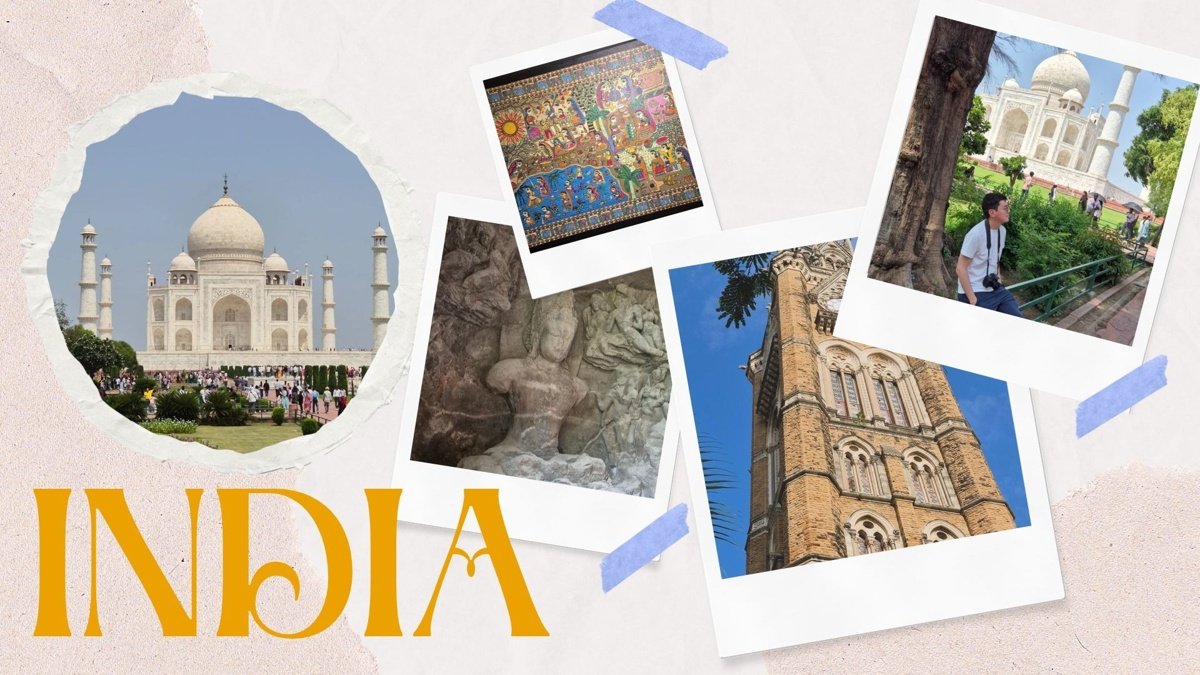
The journey began in Agra, the site of the world’s most iconic testament to love: the Taj Mahal. While the white marble mausoleum is a fixture in textbooks and photographs, the experience of standing before it is fundamentally different. As the structure reveals its intricate floral ornamentation and perfect symmetry, one is struck by the haunting backstory of Emperor Shah Jahan’s grief. Built for Mumtaz Mahal, the Taj has arguably eclipsed the person it was meant to commemorate, becoming a symbol that exists independently of its history—a phenomenon that lends the site a profound, almost dreamlike quality.
Inside the BRICS Summit
The trip shifted from the architectural marvels of the past to the pressing global discussions of the present during the BRICS Summit on September 12 and 13. The atmosphere was charged with intensity as delegations, journalists, and diplomats navigated the halls. Beyond the high-level meetings, the BRICS market served as a cultural bridge, showcasing the creative and economic outputs of participating nations. It was a stark reminder of India’s role as a growing hub for international cooperation and cultural diplomacy.
Mumbai: A Tapestry of Eras
Upon arriving in Mumbai, the shift in atmosphere was immediate. Often referred to as the city of commerce and cinema, Mumbai presents a visual landscape where the British colonial legacy—characterized by grand Gothic arches and imposing stone facades—crashes headlong into the chaotic, electric energy of modern Indian street life.
The Gateway of India stands as the sentinel of this change. Once the site of royal arrivals, the arch saw the departure of the final British colonial forces in 1948, marking a transition that the city still wears on its sleeve. Nearby, Marine Drive—famously known as the “Queen’s Necklace”—captures the city’s duality. By day, it is a bustling hub of Art Deco history and heritage; by night, it transforms into a sweeping, illuminated arc that mirrors the shimmer of the Arabian Sea.
The Silent Stones of Gharapuri
Venturing beyond the city, the journey reached the caves of Elephanta Island. Known originally as Gharapuri, the site is a marvel of human endurance. The grand columns and elaborate sculptures of Lord Shiva were not built up; they were chiseled deep into the mountain. To walk through these caves is to witness a story told in stone, where each relief captures a different facet of divinity, preserved in the cool silence of the rock.
A Lasting Impression
The tour concluded at the Chhatrapati Shivaji Maharaj Vastu Sangrahalaya, a museum that serves as a repository for the nation’s immense history. Housed in a building that once functioned as a military hospital, its vast collection of 70,000 objects—ranging from ancient Indus Valley artifacts to the armor of Mughal emperors—encapsulates the complexity of the Indian narrative.
This journey, however, was about more than just museums and monuments. It was defined by the connections formed between those on the tour and the fleeting, unforgettable moments shared in the heart of these vibrant cities. India, with its endless diversity, remains a place that provides more questions than answers, leaving every visitor with a lingering, irresistible urge to return and explore further.
Disclaimer: This content is auto-generated for informational purposes only.
Source: Read Original News