








A Long-Standing Fixture of Financial Journalism
Rick Santelli, one of the most recognizable and polarizing figures in business television, is set to retire from his full-time role at CNBC after more than 27 years. The announcement, which occurred during a broadcast of the network’s flagship program “Squawk Box” on Friday, marks the end of an era for the business news giant. While he is stepping down from his daily responsibilities, network officials have confirmed that Santelli will remain associated with CNBC in a contributor capacity. His final day as a full-time correspondent is scheduled for October 2, 2024.
Santelli’s career at CNBC has spanned over two decades, beginning with his first guest appearance in 1994 before he officially joined the network in 1999. Based primarily at the Chicago Mercantile Exchange, he became a critical voice for investors, providing real-time analysis on Federal Reserve interest rate policy, economic indicators, and the fluctuating health of financial markets. David Cho, the editor-in-chief at CNBC, praised Santelli’s tenure in a memo to staff, highlighting his willingness to challenge consensus and his unique ability to convey complex market movements with high energy and unwavering authenticity.
From Trading Floor to Media Spotlight
Before establishing himself as a household name in financial media, Santelli built a solid foundation in the industry through decades of practical experience. His professional journey began in 1979 at the Chicago Mercantile Exchange. Over the following two decades, he gained deep institutional knowledge by working in various roles across futures, derivatives, and institutional trading. This hands-on background provided him with the credibility and technical expertise that defined his reporting style on CNBC.
His transition from a floor trader to a television personality allowed him to bridge the gap between complex Wall Street mechanisms and the average viewer. By reporting directly from the floor of the exchange, Santelli provided an immersive experience for the audience, frequently capturing the frenetic pace of the markets in real time. This distinctive setup transformed his segments into must-watch content for investors trying to gauge sentiment during volatile trading sessions.
The “Chicago Tea Party” and Cultural Impact
Santelli’s influence extended well beyond the realm of finance in 2009. During a live segment from the Chicago Mercantile Exchange, he delivered a scathing critique of a government-backed housing rescue plan introduced by the Obama administration. His impassioned remarks, which decried taxpayer-funded assistance for homeowners who had defaulted on mortgages, resonated deeply with a segment of the American public. He famously called for a “Chicago Tea Party” to protest government fiscal policy.
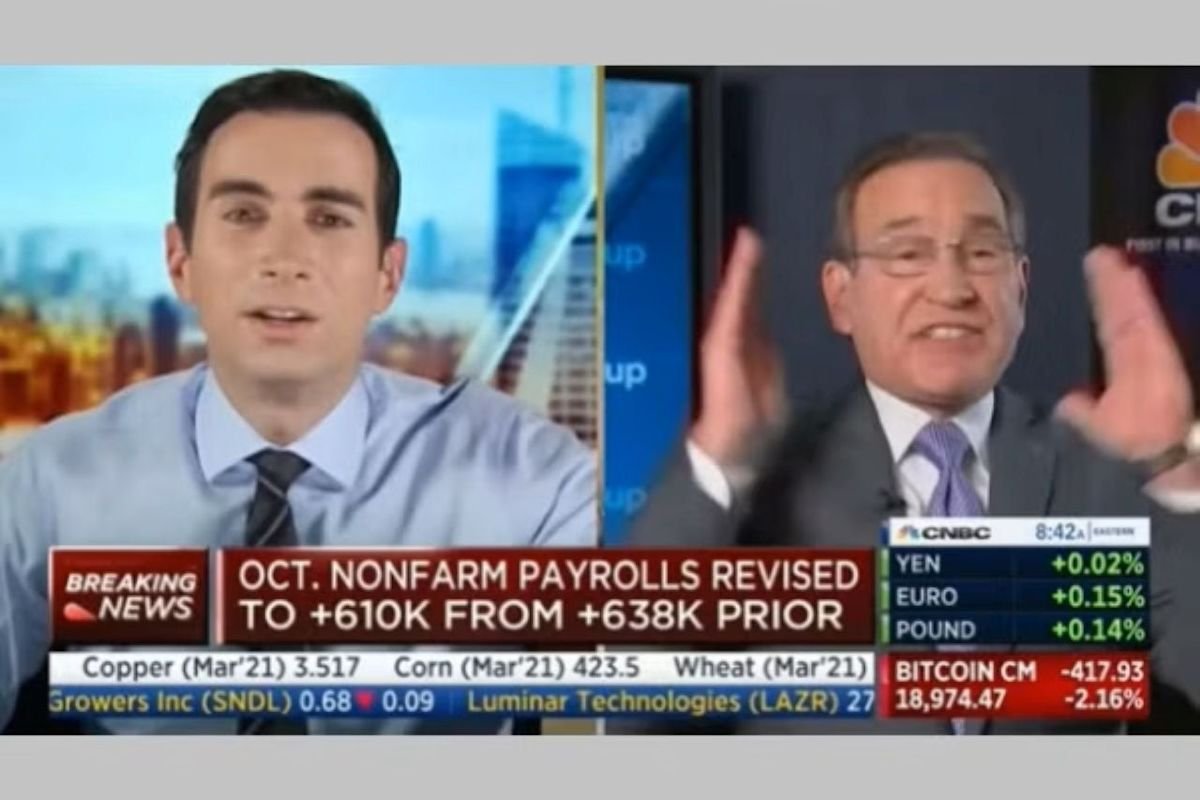
The clip went viral, becoming a catalyst for the emergence of the Tea Party movement, which subsequently reshaped the landscape of American political discourse. This moment highlighted Santelli’s unique position: he was not merely an observer of economic policy but a provocateur whose commentary could ripple through the broader political culture. Throughout his career, he maintained this confrontational style, which included public, heated debates with fellow anchors such as Andrew Ross Sorkin regarding public health restrictions and economic shutdowns during the 2020 pandemic.
Transitions Within a Reshaping CNBC
The departure of a veteran journalist like Santelli occurs during a transformative period for CNBC. Earlier this year, the network navigated the complexities of its parent company’s restructuring, which involved the separation of assets from the broader Comcast/NBCUniversal ecosystem under the Versant umbrella. These organizational changes have coincided with a broader push to modernize the network’s editorial strategy and digital footprint.
In recent months, CNBC has been active in recruiting new talent to guide its future, including the appointment of industry veteran Ken Brown as the managing editor of digital and editorial strategy. As the network shifts its focus toward an increasingly digital-first delivery model, the role of legacy talent like Santelli is being recalibrated. His transition to a contributor role signals a desire by the network to maintain its established brand identity while simultaneously pivoting toward new growth strategies in a crowded media landscape.
Celebrating a Decades-Long Career
As October 2 approaches, CNBC plans to honor Santelli’s contributions with a series of on-air tributes. His final day in the full-time role carries a symbolic weight, as it falls on the first Friday of the month—a date traditionally reserved for the U.S. government’s highly anticipated monthly jobs report. For many years, these reports served as the stage for some of Santelli’s most significant market analysis, making the date a fitting conclusion to his daily tenure.
While his presence on the floor of the Chicago Mercantile Exchange will change, his transition to a contributor status ensures that his perspective will not be entirely absent from the network’s airwaves. The move represents a graceful exit for a professional who remained a cornerstone of CNBC’s morning lineup for nearly three decades, leaving behind a legacy of high-intensity reporting that permanently altered the relationship between financial news and public opinion.
Disclaimer: This content is auto-generated for informational purposes only.
Source: Read Original News