








Mastering the Winter Morning Rush
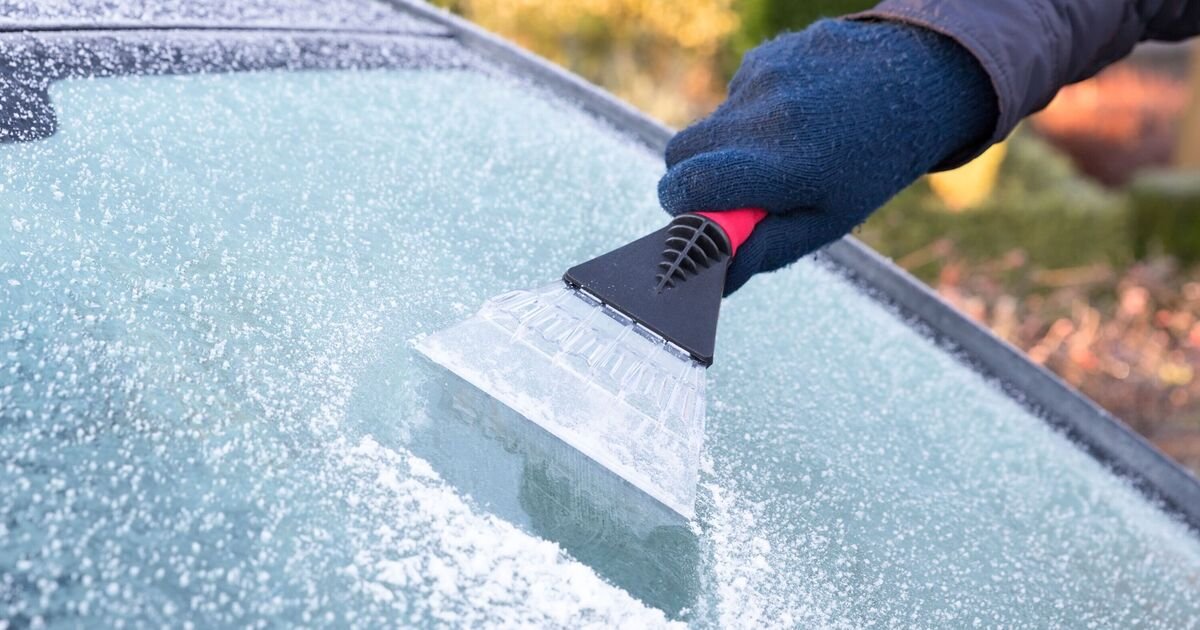
There is something universally frustrating about the start of a winter morning. You wake up, grab your coffee, and head out the door with a plan to breeze through your commute, only to find your car windscreen transformed into a solid sheet of ice. While scraping away at the glass in freezing temperatures is a rite of passage for many, it is certainly not a productive start to your day. Most of us scramble with de-icer or stand there with freezing fingers, wishing we had just stayed under the covers for another ten minutes. The good news is that you do not have to settle for this chilly routine. With a bit of foresight and a few simple tricks, you can keep your view clear and your mornings moving smoothly.
The Science Behind the Frost
Understanding why your windscreen becomes a block of ice is the first step toward preventing it. It is not just about the ambient temperature outside. On clear, calm nights, your car acts like a radiator. Because the glass is positioned horizontally, it loses heat rapidly by sending infrared energy straight up into the night sky. This causes the glass to drop in temperature much faster than the rest of the car or even the air surrounding it. When the moisture in the air lands on that freezing glass, it instantly crystallizes. When the wind is calm and the sky is clear, this process happens in a flash. Clouds, by comparison, act like a blanket, trapping warmth near the earth. Since we cannot control the weather, we have to control the environment around our parked cars instead.
Strategic Parking for Better Results
If you are lucky enough to have a garage, the solution is obvious: pull the car in every evening. It might feel like a chore to clear out space for your vehicle, but the time you save by skipping the scraping process is worth every second of effort. For those without a garage, proximity is your best friend. Try to park your car as close to your house as possible. The residual heat radiating from your home can actually help keep the area around your windscreen slightly warmer than the rest of the driveway. It is a small difference, but in the battle against freezing temperatures, every extra degree counts. Additionally, if you have a driveway, parking near the walls of your home can provide a bit of shelter from the wind that would otherwise strip away any captured warmth.
Simple Barriers That Actually Work
If you want a foolproof way to ensure a clear windscreen, you need a physical shield. A dedicated windscreen cover is a great investment, but if you do not have one, a sturdy piece of cardboard works just as well. Placing this over your windscreen before you head inside for the night prevents moisture from ever touching the glass. Without that moisture, there is no ice. Just be sure to tuck it securely under your windscreen wipers to hold it in place. One quick warning: if it starts to rain or snow before it gets truly freezing, that cardboard can become soggy and stick to the glass. If you do use cardboard, make sure it is dry when you put it on, or swap it out for a plastic or fabric cover if the forecast looks particularly damp.
Clever Tricks Inside the Cabin
Sometimes the best solutions are the ones you do from the inside. One of the most overlooked hacks for a chilly morning is to fold your sun visors down before you lock the car for the night. This action creates a small, contained air pocket right against the interior side of the glass. By trapping a tiny bit of the remaining cabin warmth near the windscreen, you help maintain a slightly higher temperature on the surface, which can lead to faster defrosting once you start your engine the next morning. It takes less than two seconds to do, yet it can make the difference between a quick departure and a long, drawn-out battle with the elements. When winter settles in, these small habits save your morning, your mood, and your hands from the bite of the frost.
Disclaimer: This content is auto-generated for informational purposes only.
Source: Read Original News