








The Evolution of the iPhone Duo Hardware Roadmap
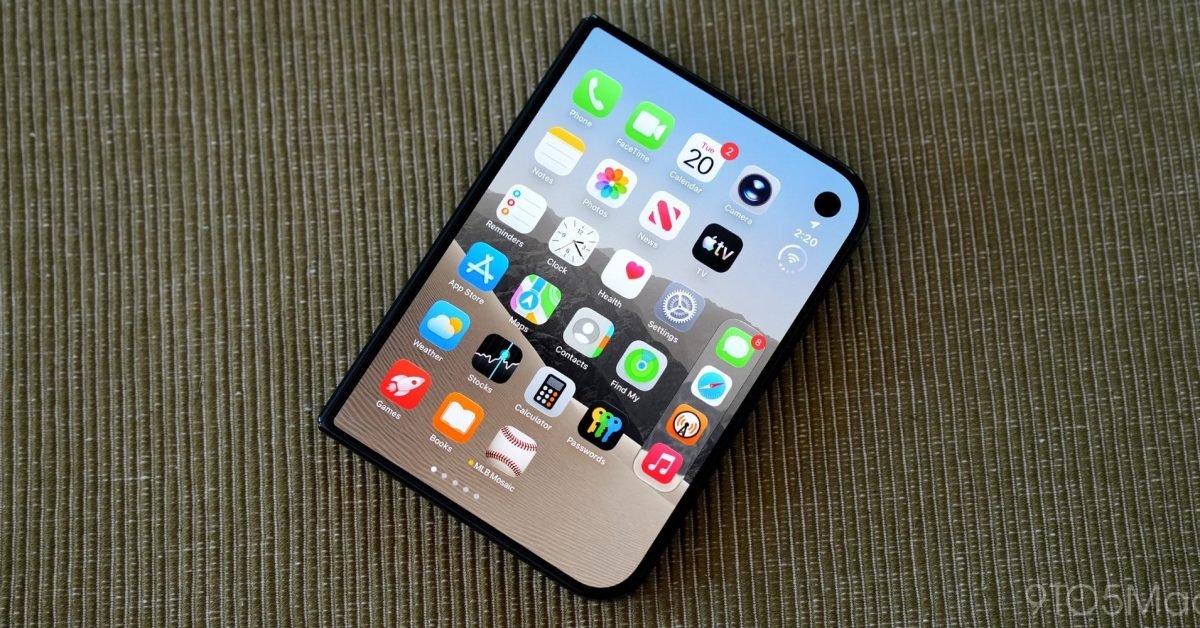
Apple is currently mapping out a strategic path for its nascent foldable category, the iPhone Duo. Recent reports from industry analysts indicate that the technology giant is focusing on four critical hardware upgrades to solidify the position of the Duo within its broader smartphone ecosystem. These enhancements target specific pain points identified in the first-generation release, ranging from biometric authentication to physical ergonomics and optical capabilities. As the company transitions from the experimental launch phase of the foldable form factor, the integration of these features represents a push toward aligning the Duo series with the high-performance standards found in the flagship iPhone Pro line.
The primary objective for future iterations involves transitioning from experimental design to mature, user-centric hardware. Apple is placing significant resources into refining the internal chassis and external display capabilities. While early reports have highlighted the logistical hurdles of production, the development of prototypes suggests a clear commitment to evolving the Duo from a niche entry into a daily driver capable of competing with traditional slab-style smartphones.
Integrating Face ID Into Foldable Displays
One of the most anticipated technical milestones for the iPhone Duo is the successful implementation of Face ID on the external cover display. Currently, the Duo relies on alternative authentication methods, which creates a disparity in the user experience compared to standard iPhones. Integrating the TrueDepth camera system into the external panel poses substantial engineering challenges, particularly regarding the physical thickness of the sensor stack and the structural requirements of a foldable screen.
Prototypes featuring Face ID on the outer display have surfaced within Apple’s research and development facilities. However, technical constraints regarding the screen’s refresh rate and the necessity of maintaining a uniform aesthetic while accommodating the sensor array have slowed progress. Reports suggest that while the technology is functional in lab settings, it may not reach the commercial requirements for the second-generation model. If Apple determines that the reliability of the system does not meet their internal benchmarks for speed and accuracy, the deployment will likely be deferred until the third iteration to ensure a seamless security experience.
Enhancing Ergonomics Through Design Efficiency
Beyond biometric updates, Apple is actively working to reduce the physical footprint of the iPhone Duo. Reducing the weight and thickness of the device is a priority for the engineering teams, as the current model faces criticism regarding its portability compared to the thinner, lighter Pro series. Achieving a thinner chassis requires advancements in battery cell geometry and more compact logic board layouts.
The strategy is not merely about aesthetic appeal; it is a fundamental requirement for the device to feel balanced in a user’s hand during extended periods of use. By refining the hinge mechanism and optimizing the internal volume, Apple aims to bridge the gap between the bulkier nature of early-generation foldables and the sleeker standards of modern glass-and-metal construction. This design shift is expected to involve advanced materials—potentially higher-grade titanium alloys—to maintain structural integrity while stripping away excess mass.
Expanding Capabilities With the Action Button and Telephoto Optics
Functional parity is a core pillar of Apple’s next steps. The inclusion of the Action Button, which has become a staple across newer hardware, is intended to offer users deeper customization for system tasks and third-party app shortcuts. By standardizing this physical interface, Apple ensures that power users can utilize the same workflows across their mobile devices, regardless of the form factor.
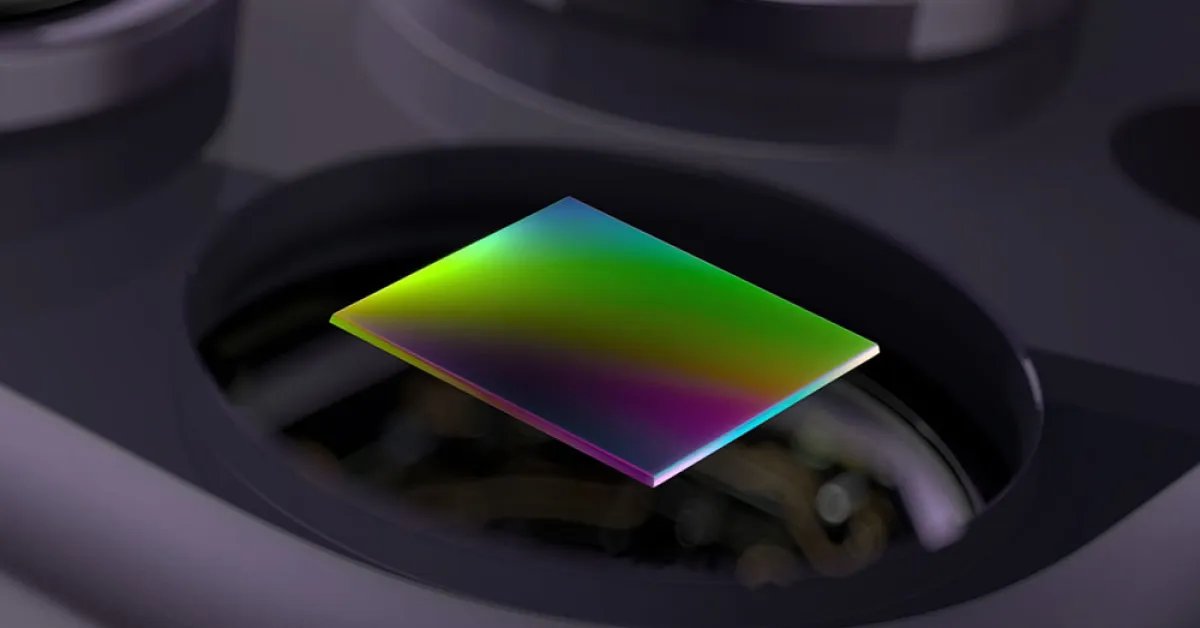
Furthermore, the introduction of a dedicated telephoto camera lens aims to address the imaging limitations inherent in the initial Duo model. The constraints of a folding chassis often necessitate compromises in camera housing depth, which typically impacts optical zoom performance. Engineers are currently exploring folded-optics technology that can fit within the restricted space of a folding device, allowing for high-magnification capabilities that do not interfere with the folding mechanism. This upgrade is intended to align the photography capabilities of the Duo with those of the current top-tier iPhone models, ensuring that users do not have to sacrifice zoom quality for the benefit of a larger display.
The Broader Impact of Form Factor Maturation
The technical refinements outlined for the iPhone Duo carry significant weight for the smartphone market. By addressing hinge durability, sensor integration, and optical depth, Apple is signaling that the foldable sector has moved past the stage of novelty. For the enterprise and professional user segments, these upgrades are vital. A device that offers both the expanded screen real estate of a foldable and the familiar security, photography, and tactile controls of a flagship iPhone is poised to change how mobile productivity is handled.
While the “Crackgate” reports surrounding early hinge performance have highlighted the fragility of current-generation foldable technology, Apple’s rigorous approach to the next series suggests that structural reliability is being handled in tandem with feature expansion. The transition from the first to the second and third iterations of the iPhone Duo will likely serve as the benchmark for how premium mobile manufacturers resolve the conflict between complex folding mechanisms and the demand for high-end device longevity. As the company continues to iterate, the result will be a device that balances the utility of a larger display with the reliability of a mature, refined hardware platform.
Disclaimer: This content is auto-generated for informational purposes only.
Source: Read Original News