






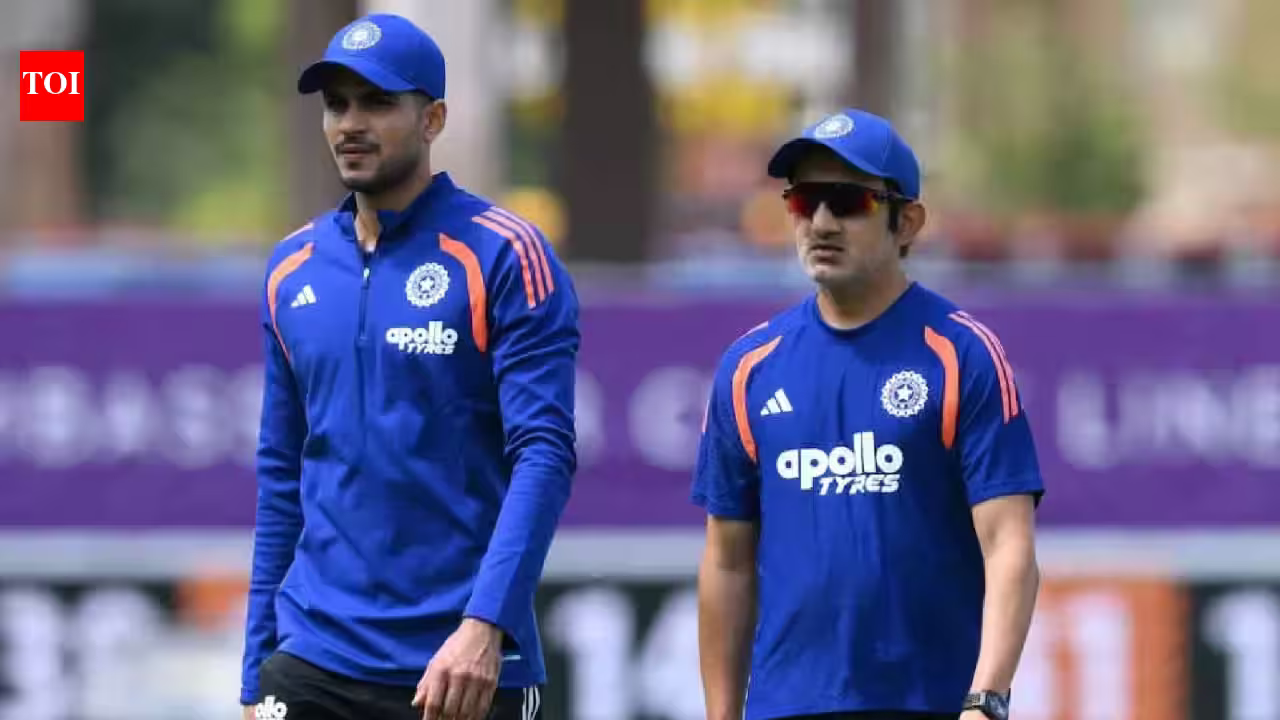
Auckland sets the stage for a critical chapter in India’s long-term white-ball evolution as captain Shubman Gill signals that the ongoing ODI series against New Zealand is far more than just a bilateral contest. With the 2027 World Cup looming on the horizon, the Indian leadership is treating this tour as a tactical laboratory, utilizing the unique atmospheric and pitch conditions of the South Pacific to stress-test their squad ahead of the global event.
For India, the timing of this series is serendipitous. While previous tours of New Zealand, South Africa, and Australia have historically been relegated to the mid-summer months of December and January, the current scheduling for early November offers a rare, high-stakes scouting mission. According to Gill, these conditions mirror the climate the team expects to face during the World Cup window, providing an invaluable opportunity for the players to acclimate to early-season movement and distinct coastal winds.
“The conditions that we’re going to get here are going to be a lot more similar to the ones that we’re going to get in the World Cup, especially playing here in early November,” Gill stated in an official BCCI release. “Usually, whenever we play in South Africa or in New Zealand or in Australia, we play around December, January. With the World Cup being in October and November, I think the conditions are going to be a lot more similar, and it’s going to be a really good experience for us.”
Building Momentum Following T20I Success
The confidence within the Indian camp is palpable, buoyed by a resilient 3-2 victory in the preceding T20I series. Gill was quick to credit Shreyas Iyer for his tactical acumen during that series, noting that the ability to claw back from precarious positions in the opening matches laid the foundation for the current confidence levels.
“I think Shreyas led the T20 series beautifully,” Gill remarked. “Playing in a country like New Zealand and winning the first three matches is never easy. Those comebacks in the first and second T20s were the kind of matches that completely change the momentum. Now, that momentum is with us, a lot of our boxes are ticked, and while we know New Zealand will look to come back hard at us, we are well prepared.”
India successfully carried that winning energy into the ODI opener in Auckland on Wednesday. Despite the challenges posed by rain, the visitors showed maturity to chase down a revised DLS target of 143, securing a 1-0 lead in the five-match series. However, as is often the case in New Zealand cricket, the elements remain a wild card, with rain forecasts already threatening to disrupt the second encounter in Wellington.
Gill’s Personal Preparation and Strategic Foresight
Beyond his duties as a leader, Gill’s personal dedication to the tour has been noteworthy. The young captain opted to arrive in the country well ahead of his teammates, prioritizing extra sessions with the red ball to sharpen his technique. While he has featured in ‘India A’ fixtures previously, he admitted that his lack of experience in New Zealand’s unique Test environments drove his decision to get an early start.
“I wanted to get four or five extra sessions before I joined the team, mainly because of the red ball. I wanted to come here, work a little bit on my game, and see how the ball behaves because I haven’t played a Test match here,” Gill explained.
Empowering the Pace Battery
One of the most encouraging takeaways from Gill’s assessment is his unwavering faith in his young pace-bowling arsenal. With the pitches in New Zealand traditionally offering more seam movement and bounce than those in the subcontinent, Gill believes the current tour is a perfect match for the skill sets of Anshul Kamboj, Aaqib Nabi Dar, Gurnoor Brar, and Arshdeep Singh.
“With the wickets seeming around and giving good bounce, our fast bowlers… the skill set that they bring to the team in these conditions is tailor-made for them,” said the skipper.
By prioritizing these specific personnel in conditions that favor their natural strengths, the Indian team management is clearly aiming to build a more robust, versatile bowling unit capable of thriving anywhere in the world. As the caravan moves to Wellington, the primary goal for India remains clear: maintain the momentum of the T20I series and continue to refine a squad that looks increasingly like it is being built with the 2027 World Cup firmly in its sights.
Whether the Wellington weather allows for a full contest on Saturday remains to be seen, but for Shubman Gill and his side, every ball bowled in these conditions is a step toward future championship glory.
Disclaimer: This content is auto-generated for informational purposes only.
Source: Read Original News