







New Delhi Declaration: BRICS Leaders Unite for Middle East Stability and Global Cooperation
New Delhi: In a display of diplomatic unity, leaders of the 11-nation BRICS bloc concluded the second day of their 2026 summit in New Delhi with the unanimous adoption of the “New Delhi Declaration.” The landmark consensus marks a significant achievement for host India, effectively bridging deep-seated divisions among member states regarding regional conflicts and economic policy.
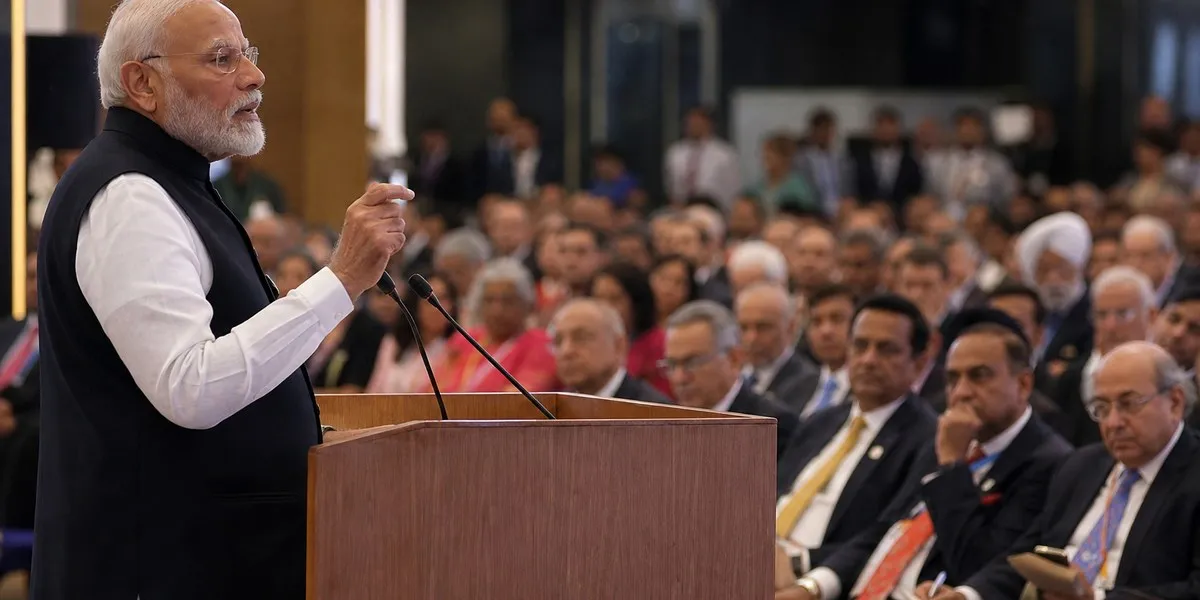
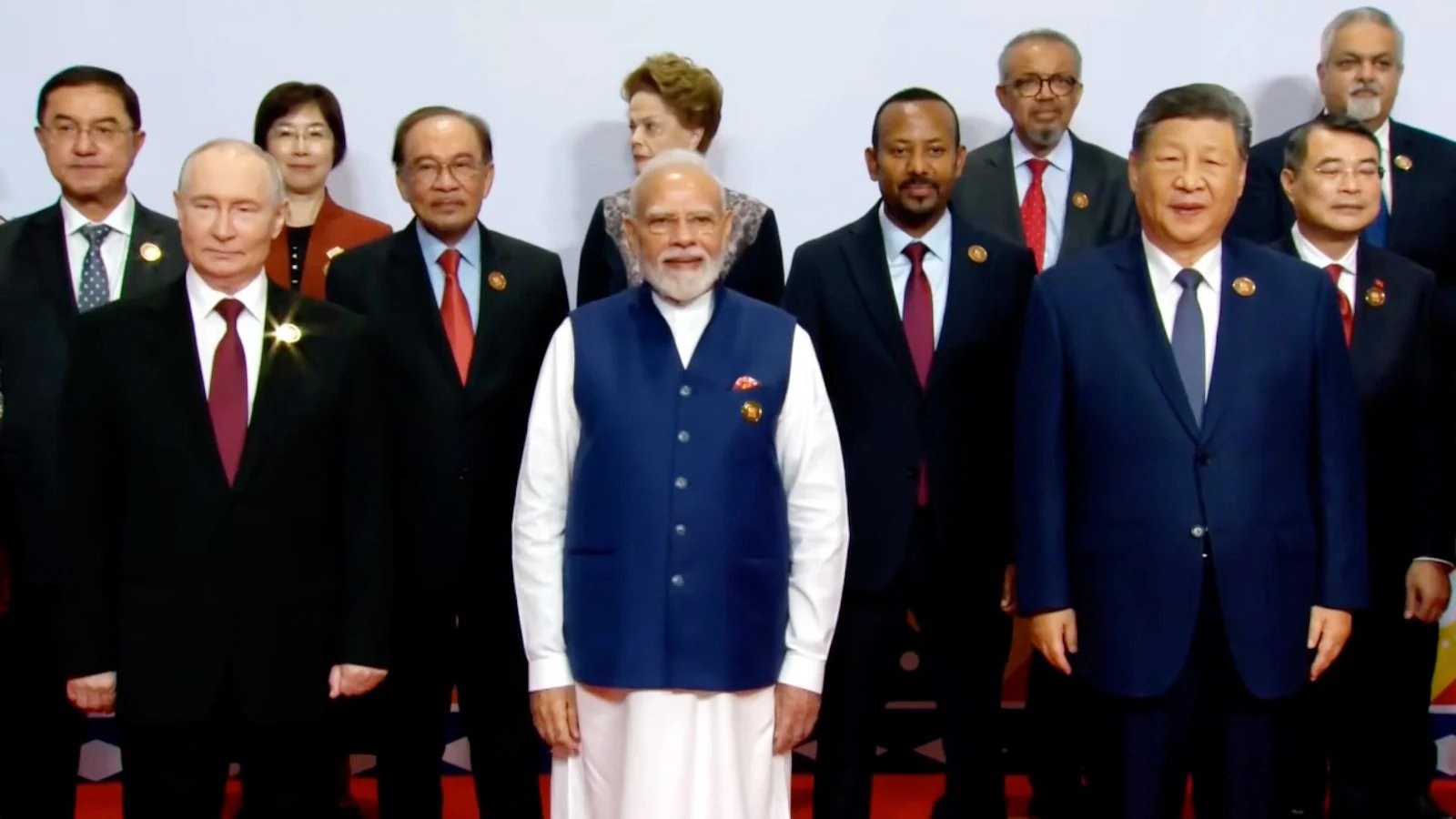
Prime Minister Narendra Modi, flanked by the leaders of Russia, China, and Iran, presided over the session at Bharat Mandapam, where the group signaled a renewed commitment to global stability. The adoption of the declaration follows months of intense negotiations, particularly after a similar attempt to produce a joint statement during a foreign ministers’ meeting in May had stalled due to geopolitical friction.
A Call for Restraint in the Middle East
Amid escalating tensions in West Asia, the BRICS nations issued a unified message, urging all parties involved to exercise maximum restraint. President Xi Jinping emphasized that the ongoing conflict in the region stands against the collective interests of the international community.
The declaration specifically highlighted the need for proactive diplomacy to address the root causes of the unrest. “We express deep concern over the continued escalation of tensions in the Middle East,” the document stated, advocating for dialogue and consultation as the primary tools for resolution. The summit provided a critical platform for high-level engagement, including direct discussions between Iranian President Masoud Pezeshkian and the UAE’s leadership on the sidelines of the event.
Taking a Hard Line on Terrorism
Beyond regional conflict, the New Delhi Declaration delivered a stern condemnation of global terrorism. Reaffirming a “zero-tolerance” policy, the member states denounced all forms of extremist violence, including cross-border activities and the use of safe havens.
Notably, the declaration explicitly cited the April 2025 terror attack in Jammu and Kashmir, underscoring the bloc’s resolve to seek accountability for such acts. The leaders called for the swift adoption of the UN Comprehensive Convention on International Terrorism, reinforcing their commitment to dismantling financial networks that sustain militant groups.
Economic Sovereignty and Trade Reform
Addressing the economic front, the BRICS bloc issued a firm critique of protectionist policies. The leaders warned against the rise of unilateral tariff and non-tariff barriers, which they argue distort international trade and run counter to World Trade Organization (WTO) regulations.
The declaration advocates for a fully operational, two-tier dispute settlement mechanism within the WTO and expresses opposition to unilateral economic sanctions. By condemning “coercive measures” that undermine international law, the bloc reaffirmed its goal of fostering a more equitable global financial architecture.
As India continues its chairmanship under the theme “Building for Resilience, Innovation, Cooperation and Sustainability,” the success of the New Delhi Declaration serves as a testament to the group’s ability to navigate complex geopolitical landscapes. By balancing the diverse interests of its members, BRICS has successfully repositioned itself as a pivotal forum for emerging economies striving to influence the future of global governance.
Disclaimer: This content is auto-generated for informational purposes only.
Source: Read Original News