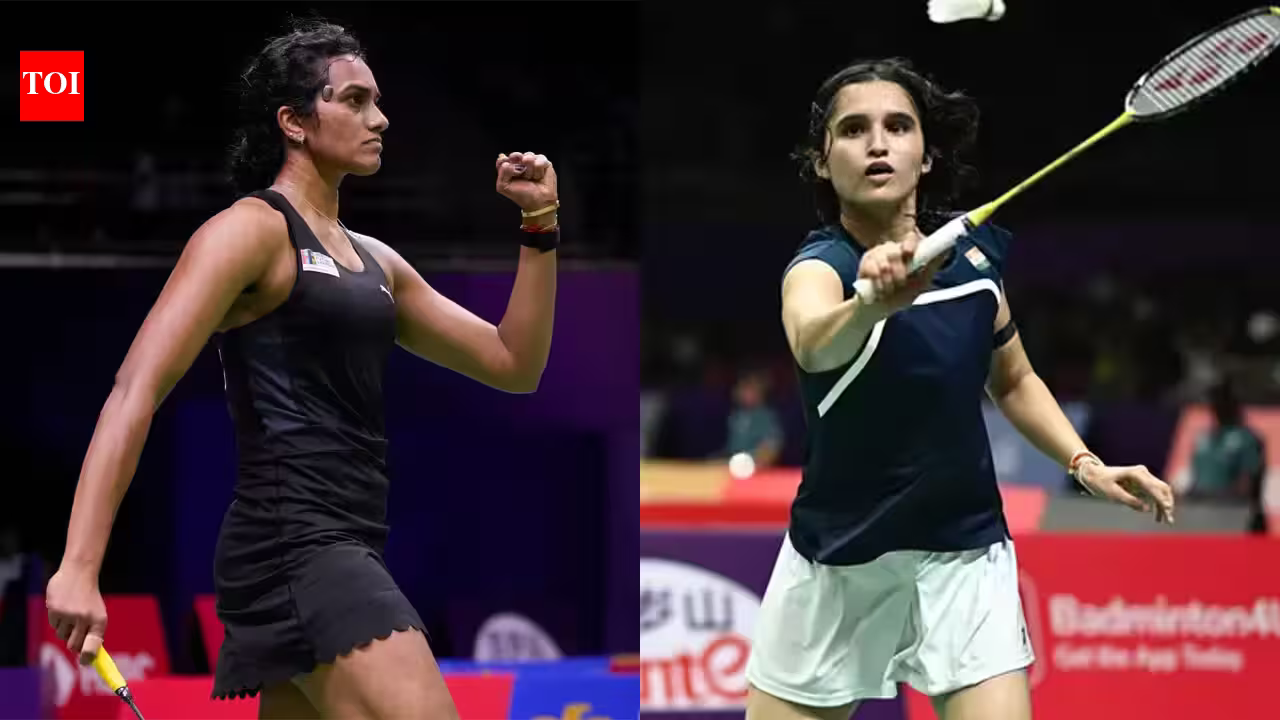




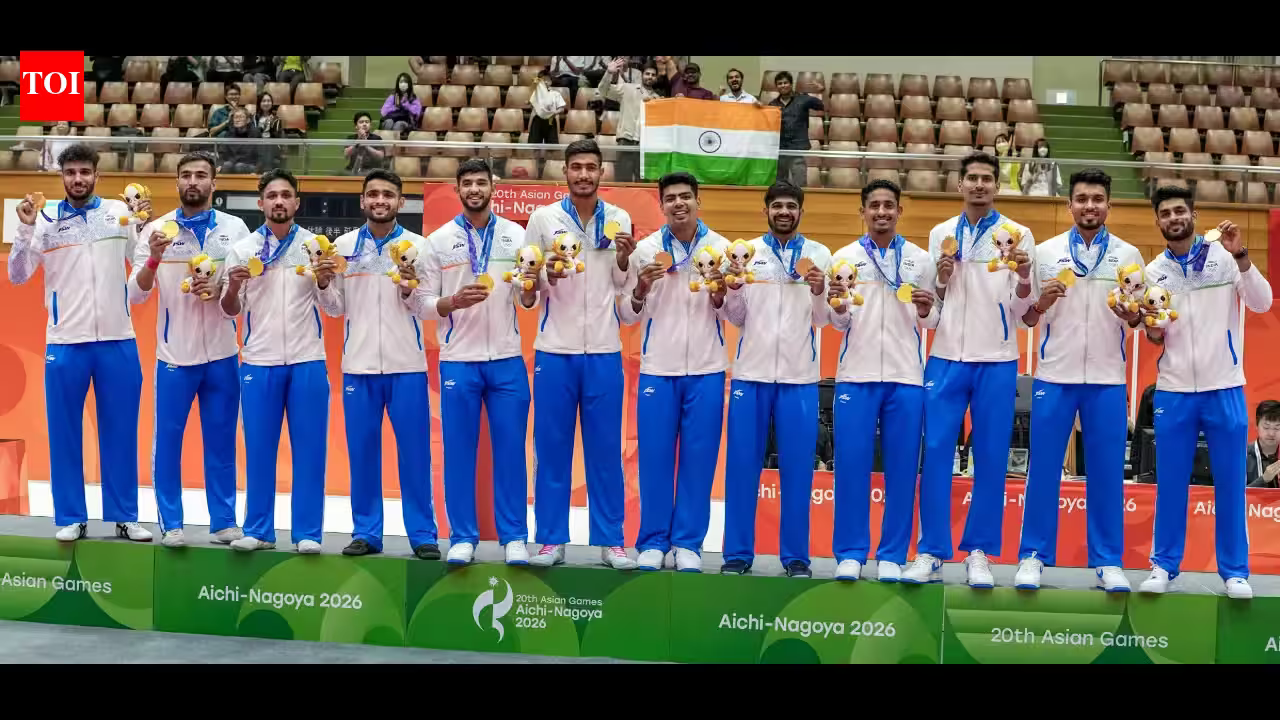

Beyond the podium glory and the immense national pride that comes with competing at the 2026 Asian Games, India’s elite athletes are eyeing a significant financial windfall. As the continent’s biggest sporting spectacle approaches, the Ministry of Youth Affairs and Sports has underscored the robust incentive structure designed to reward excellence, stabilize the futures of our sporting icons, and inspire the next generation to chase greatness in Aichi-Nagoya.
For the athletes representing the tricolor, the journey to the medal podium is paved with more than just rigorous training and tactical discipline; it is backed by a comprehensive government framework that includes substantial cash awards, employment opportunities, and specialized incentives.
Rewarding the Best: The Central Cash Award Scheme
At the heart of the national support system is the “Special Awards to Medal Winners in International Sports Events and their Coaches” scheme. Established in 1986 and refined over the decades, this program serves as the gold standard for recognizing top-tier performance.
For individual events at the Asian Games, the financial incentives are standardized: a gold medal nets an athlete Rs 30 lakh, a silver brings in Rs 20 lakh, and a bronze earns Rs 10 lakh. These figures place the Asian Games and Commonwealth Games on equal footing under the current central scheme, though Olympic medals remain in a higher category, with a gold medal reward set at Rs 75 lakh. These base figures are critical for athletes calculating their potential earnings, though the math becomes more nuanced once team dynamics are introduced.
Team Dynamics and the Multiplier Effect
The calculation for team sports is far from a simple flat fee, as it accounts for the size and composition of the collective effort. To ensure equitable distribution, the government utilizes a multiplier system:
- Teams of two: 1.5 times the individual award.
- Teams of three or four: Twice the individual award.
- Teams of five to 10: Three times the individual award.
- Teams of 11 or more: Five times the individual award.
These total amounts are then shared equally among team members. To protect the athletes, the scheme includes a safety net: no individual member of a medal-winning team can receive less than 50% of the corresponding individual-event award. Furthermore, in specific disciplines where the nature of the sport demands it, the scheme ensures that all squad members—including bench and reserve players—are eligible for rewards, maintaining the spirit of collective achievement.
Breaking the “Single-Medal” Ceiling
One of the most athlete-friendly updates to the policy concerns multiple-medal winners. While many sporting incentive programs historically limited rewards to an athlete’s single highest-ranking finish, the 2026 guidelines provide a vital exception for major events like the Asian Games and the Olympic Games. Athletes who demonstrate their versatility by winning medals across multiple individual or team events are now eligible for the cash incentive for each medal secured, subject to specific regulatory terms. This change recognizes the immense physical and mental toll of deep tournament runs and rewards the sustained excellence required to stand on the podium multiple times.
Career Longevity: Jobs and Government Recruitment
Financial rewards are ephemeral, but long-term stability is often the top priority for professional athletes. To address this, the Department of Personnel and Training (DoPT) manages the recruitment of meritorious sportspersons under the sports-quota provisions.
While a medal does not grant an automatic “blank check” for any government position, it does provide a significant competitive advantage. Athletes can be considered for Group C and certain Group D posts based on their accomplishments, provided they meet the standard recruitment criteria and organizational rules. For those already employed within the government sector, the success on the Asian stage can also trigger out-of-turn promotions or specialized performance incentives, ensuring that a career in sport is viewed as a viable, long-term professional path rather than a temporary phase.
The State-Level Advantage
The final package for an Indian medalist is rarely determined by the central government alone. India’s federal structure means that state governments often introduce their own layers of incentives. From massive cash bonuses and luxury housing to administrative positions within state departments, the rewards vary wildly depending on the athlete’s home state.
Because these policies are set independently by state administrations, it is possible for two athletes winning identical gold medals to walk away with vastly different overall compensation packages. As such, while the central scheme provides a clear, reliable baseline of Rs 30 lakh for individual gold, it represents only the beginning of an athlete’s reward.
For the athletes heading to Aichi-Nagoya, the message is clear: the government is investing heavily in your performance. Whether through the direct cash rewards of the central scheme, the career security of the sports quota, or the added incentives from state governments, the 2026 Asian Games represent a life-changing opportunity for those who have the grit to rise to the top.
Disclaimer: This content is auto-generated for informational purposes only.
Source: Read Original News