







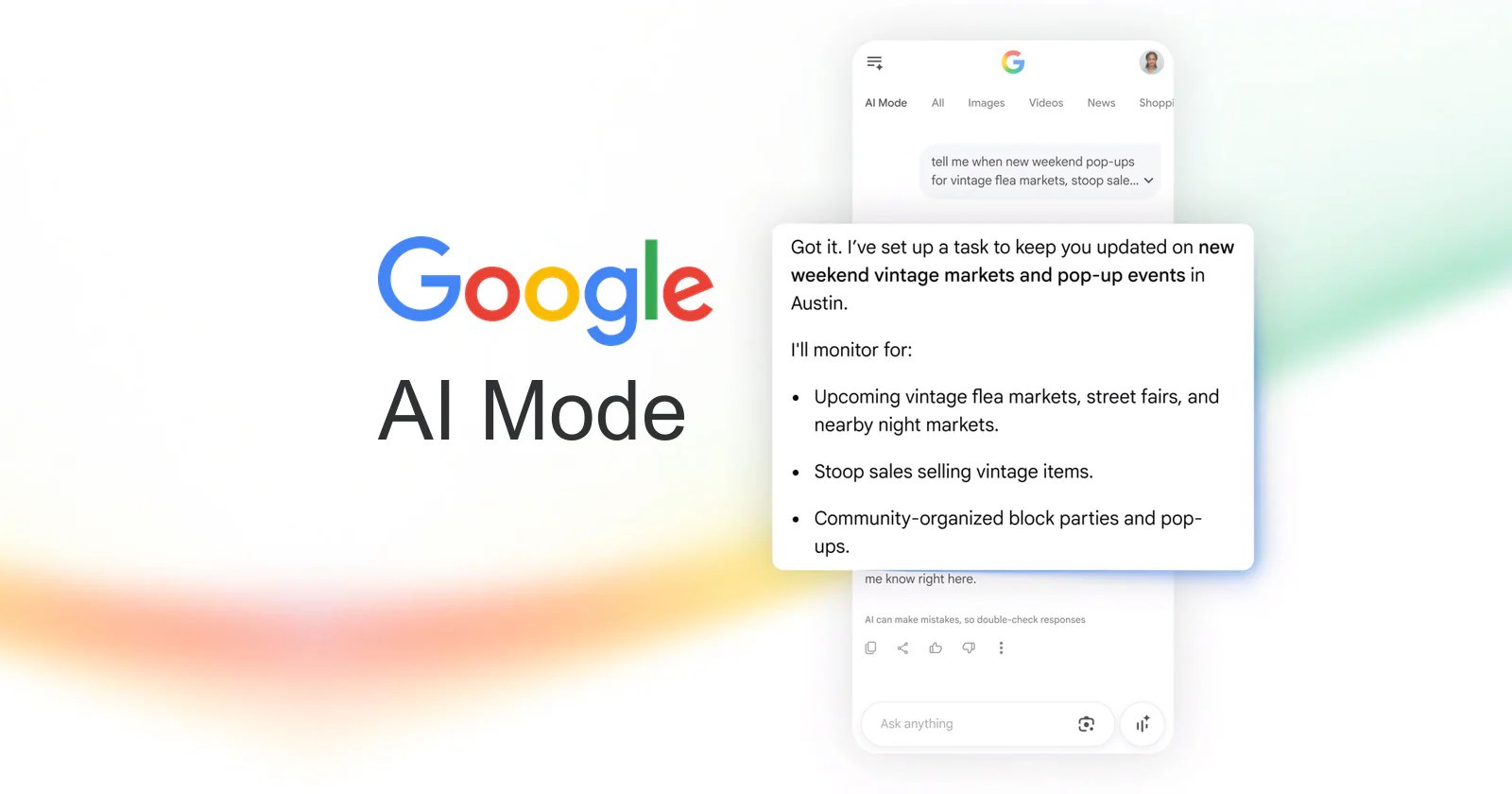
Google is expanding the capabilities of its AI Mode, rolling out new information monitoring features to all users globally. This update marks a significant shift in how the search engine functions, moving beyond one-off queries to a system that tracks ongoing developments on behalf of the user.
The announcement came via a post on X (formerly Twitter) by Robby Stein, Google’s VP of Product for Search. While the feature was previously restricted to Google AI Ultra and Pro subscribers, the current rollout brings these persistent monitoring tools to the general public, aiming to help users stay informed about topics that evolve over time.
## How Persistent Monitoring Works
The core functionality of this update is to transform Search from a passive lookup tool into an active, automated assistant. When a user asks the AI to track a specific subject, the system establishes a recurring task. The AI then continuously scans a variety of real-time data sources, including social media posts, public forums, retail inventories via the Shopping Graph, and website updates.
In a demonstration provided by Stein, a user asked to keep track of weekend pop-up events. The AI promptly set up a monitor for local flea markets, stoop sales, and block parties in the Austin area. Rather than requiring the user to refresh their search manually every few hours, the tool proactively gathers fresh information as it becomes available. Furthermore, the search interface will now actively suggest monitoring tasks based on current search trends, helping users identify potential topics worth tracking.
## Evolving Beyond Information Agents
This rollout represents the next phase of the “information agents” initiative first discussed at Google I/O earlier this year. Initially, the project was limited to high-tier subscribers, starting with a June launch that catered exclusively to Ultra users. The transition from “information agents” to “information monitoring” suggests a focus on utility—specifically for subjects that require constant updates, such as local dining, seasonal activities, or product availability.
Google is positioning this as a way to handle “topics people keep coming back to.” Whether a user is hunting for the best price on a specific product, waiting for a new restaurant to open, or tracking holiday events for families, the AI acts as a dedicated observer that alerts the user when the information they care about changes.
## Implications for Users and Businesses
While the consumer benefits are clear—reduced manual searching and more timely information—the broader impact on the web ecosystem remains to be seen. Stein’s recent communications have been quiet regarding how these AI-generated updates will link back to original sources. For local businesses and retailers, this raises questions about traffic: if the AI provides a summary of information directly, will users still feel the need to click through to the primary website or forum where the update originated?
As of now, the company has not provided details on the underlying logic for how the AI selects its sources or how often it will cite the websites it monitors. However, with the global rollout now underway, developers and businesses are encouraged to test these features by setting up tasks within the Google app. By tracking their own industries, business owners can better understand how these AI summaries may eventually impact their visibility and organic web traffic. As Google promises “lots more to come” for its AI Mode, this monitoring tool stands as the latest step toward a future where the search engine is a proactive, rather than reactive, participant in the user’s daily life.
Disclaimer: This content is auto-generated for informational purposes only.
Source: Read Original News