







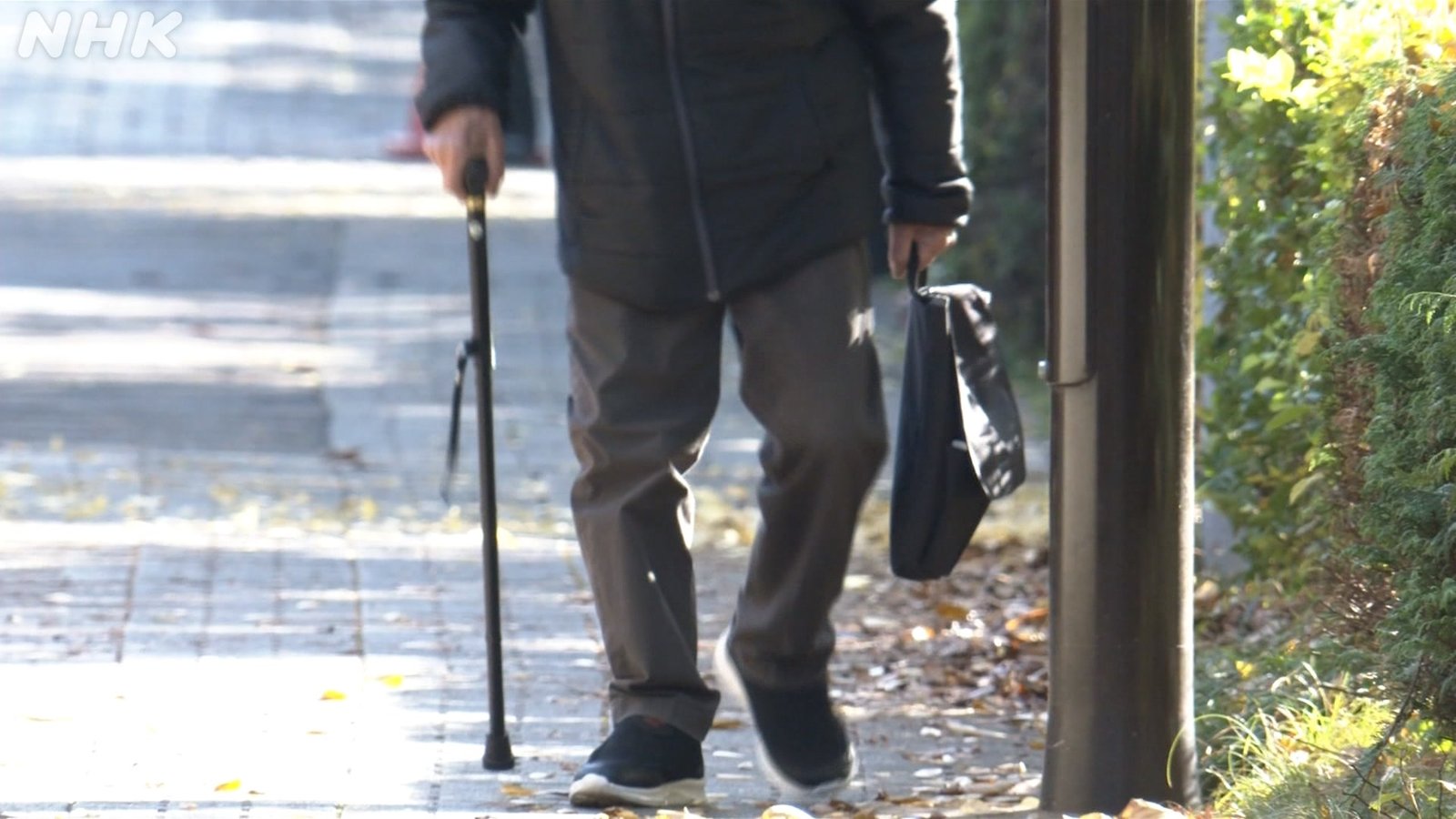
TOKYO — Japan has hit a sobering demographic milestone as new government data reveals that the proportion of the population aged 65 or older has reached an all-time record, underscoring the intensifying pressure of the nation’s shrinking and aging society.
The Ministry of Internal Affairs and Communications released the figures ahead of Japan’s “Respect for the Aged Day,” celebrated this Monday. According to the ministry’s latest estimates as of September 15, there are now 36.24 million people in Japan aged 65 or older, an increase of roughly 20,000 from the previous year.
This demographic group now accounts for a record 29.6 percent of the total population, marking a 0.2 percentage point rise from last year. The data highlights a significant gender disparity, with women in this age bracket numbering 20.54 million, compared to 15.71 million men. Consequently, elderly women represent 32.6 percent of the total female population, while elderly men account for 26.3 percent of the male population.
When compared on the global stage, Japan’s situation is unique in its severity. Based on United Nations projections, Japan holds the highest proportion of elderly residents among 39 nations with populations exceeding 40 million, cementing its status as the world’s most rapidly aging major economy.
As the government grapples with the fiscal implications of a shrinking tax base and rising social security costs, the data also points to a shifting reality for the elderly: they are increasingly remaining in the workforce. A separate ministry survey confirms that Japan’s elderly working population reached a record 9.43 million last year, an increase of 130,000 from the prior year.
The employment rate for those aged 65 and over rose to 26 percent, setting yet another record. Participation is notably high among younger seniors, with 54.5 percent of those aged 65 to 69 currently employed. Even in the oldest cohorts, workforce engagement is climbing, with 36.2 percent of people aged 70 to 74 and 12.6 percent of those 75 and older now active in the labor market—all of which are record-high figures.
Ministry officials suggest that this upward trend in elderly employment is not merely a lifestyle choice but a structural necessity. With Japan’s total population in decline, industries across the country are facing critical labor shortages. As businesses struggle to fill vacancies, the experience and availability of senior citizens have become vital to maintaining national productivity.
Economists warn that while the resilience of older workers provides a temporary buffer against labor volatility, the record-breaking figures serve as a stark reminder of the long-term challenges Japan faces in balancing an aging citizenry with the demands of a modern, industrialized economy. Experts anticipate that the number of elderly workers will continue to climb as the nation searches for sustainable solutions to its demographic crisis.
Disclaimer: This content is auto-generated for informational purposes only.
Source: Read Original News