


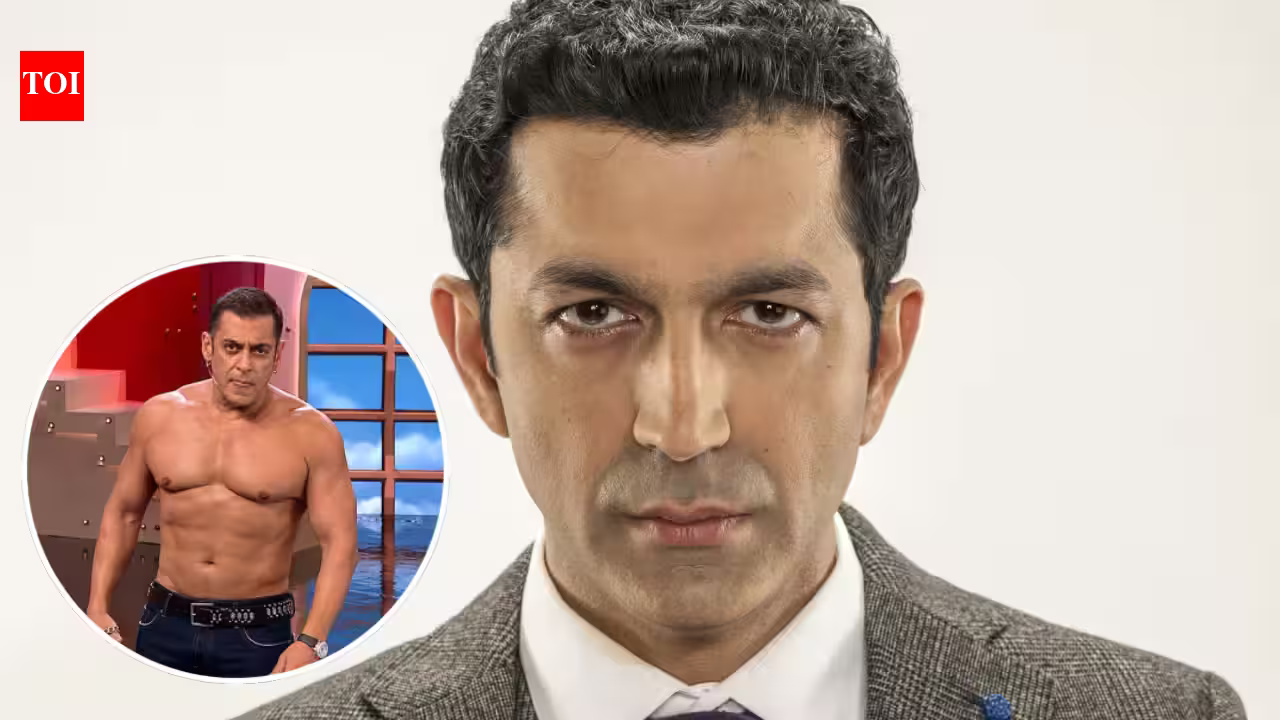




The digital age has brought the world to our fingertips, but it has also unearthed a darker underbelly of entitlement and vitriol. In a refreshing turn of events, the arena of Bigg Boss 20 recently became the stage for a much-needed cultural audit, courtesy of none other than Salman Khan. During a recent Weekend Ka Vaar episode, the superstar ditched his usual hosting duties to deliver a blistering, necessary critique of the toxicity currently permeating social media and the celebrity-paparazzi industrial complex.
The reaction was swift and resonant. Filmmaker Kunal Kohli, taking to social media to voice his support, echoed the sentiments of many in the industry, effectively declaring that the conversation Salman ignited was long overdue. When a figure of Salman’s stature—a man who has navigated the extremes of fandom and invasive media coverage for decades—speaks, the industry is forced to stop and listen.
The Authority of the ‘Bhai’
Kunal Kohli’s endorsement of Salman Khan’s stance was both emphatic and personal. On X, the Hum Tum director noted, “Salman Khan, respect! You made the most important points on social media etiquette, behavior, trolls and paps… Aur jab bhai bolta hai toh uske baad koi nahin bol sakta.”
This isn’t just about a celebrity complaining about the press; it’s about the shift in power dynamics. Kohli pointed out that within the Bigg Boss house, the contestants stood in total silence, hanging onto every word. It highlighted a universal truth about Salman’s standing: his influence is rare. While many A-listers often choose the path of least resistance—staying silent to avoid further unwanted engagement—Salman’s willingness to confront the status quo demonstrates a level of authority that is increasingly hard to find in a curated, PR-managed industry.
Beyond Humanitarian Levels: The Erosion of Etiquette
In a deeply personal video message, Kohli pulled no punches when discussing the state of digital media. He argued that while social media as a platform has evolved into a global powerhouse, our communal behavior has regressed.
“Social media has grown, but the responsibility, the etiquette; the behavior has declined beyond humanitarian levels,” Kohli remarked. He highlighted the predatory nature of certain paparazzi tactics—specifically the invasive shots taken of women as they exit vehicles or the grotesque focus on body fluctuations. Whether a celebrity has gained weight, lost it, or is simply aging, the internet has turned these natural human experiences into a spectator sport. Kohli’s critique serves as a stark reminder that underneath the glamour, these are people being subjected to a degree of scrutiny that would be considered harassment in any other sector of life.
The Complicity of the Consumer
Perhaps the most biting aspect of this conversation is the spotlight shifted onto the audience. It is easy to blame the faceless accounts posting intrusive photos or the photographers stalking celebrity driveways, but Kohli rightly identified the enablers: the general public.
“The people who are watching it? You are as bad as the people who are posting it,” Kohli stated bluntly. This is the uncomfortable truth of the algorithm-driven age. Every click, share, and comment on a voyeuristic photo validates the behavior of those taking it. By engaging with content that strips celebrities of their dignity, the consumer is not just a passive observer—they are an active participant in the degradation of social standards. As Kohli noted, one cannot hide behind the excuse of a celebrity being a “public figure.” Public life does not equate to a forfeiture of the right to human dignity or basic decency.
A Call for a Culture Shift
Salman Khan’s monologue on Bigg Boss wasn’t just a venting session; it was a rallying cry for a shift in perspective. For years, the paparazzi culture in India has operated in a gray area, often shielded by the argument that celebrities “need” the coverage. However, as the lines have blurred and the content has become increasingly invasive, the question of consent has become paramount.
Kunal Kohli’s support for Salman highlights a growing frustration among those behind the camera lens. They see the toll that this constant surveillance takes on their peers. By publicly aligning himself with Salman’s call for restraint, Kohli is pushing for an industry-wide reset. The hope is that this serves as a wake-up call for agencies, content creators, and fans alike to demand a higher standard of interaction.
The Echo After the Roar
Will this moment actually spark change, or will it be another fleeting highlight in the fast-paced cycle of reality television? Skeptics might argue that the cycle of engagement is too profitable to stop. However, the weight of the moment lies in the authority behind the message. When the “Bhai” of Bollywood—a man who arguably understands the nuances of fame better than anyone—draws a line in the sand, it changes the conversation.
As Kunal Kohli fittingly concluded, “When Salman speaks, everyone shuts up. And this time he has really spoken, and we should listen and follow what he said.” For a brief moment, the cacophony of the internet fell quiet to address a very real, very ugly problem. Now, the question remains: are we capable of extending that silence long enough to let some decency creep back into the frame? Whether or not the culture shifts, one thing is clear—the tolerance for the status quo is evaporating, and that is a victory in itself.
Disclaimer: This content is auto-generated for informational purposes only.
Source: Read Original News