









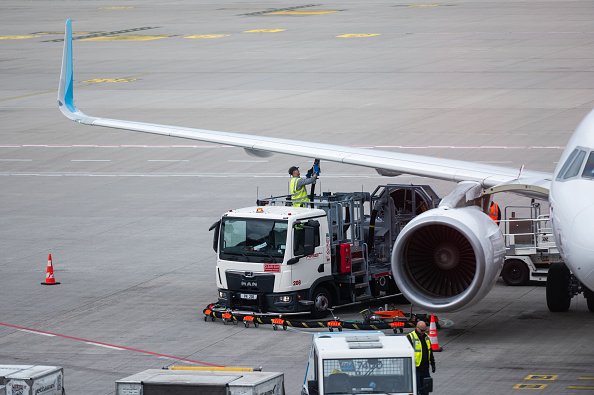
IATA Chief Economist Slams Sustainable Aviation Fuel Mandates as a ‘Money-Raising Scam’
In a provocative critique of the global aviation industry’s path to net-zero, the International Air Transport Association’s (IATA) chief economist has condemned current regulatory mandates for sustainable aviation fuel (SAF), labeling the framework a “money-raising scam.”
As governments across the globe push for rapid decarbonization in the aerospace sector, IATA’s top economic expert has raised serious concerns regarding the feasibility of aggressive SAF production targets. The comments come at a time when the aviation industry faces immense pressure to reduce its environmental footprint, yet supply chain limitations and sky-high costs continue to serve as significant barriers.
Unattainable Goals?
According to the IATA official, the current legislative landscape—particularly in regions like the European Union—imposes binding targets for SAF integration that do not align with current industrial capacity or economic reality. By forcing airlines to purchase expensive, low-availability fuels, critics argue that regulators are effectively imposing an unnecessary tax on the industry rather than fostering genuine technological innovation.
The economist highlighted that while the intent behind these policies is to promote a greener future, the implementation methods risk destabilizing airline finances without achieving the stated climate objectives. “It is a money-raising scam that ignores the physical constraints of the energy transition,” the source noted, pointing to the logistical nightmare of scaling production to meet statutory requirements.
The Cost of Compliance
The aviation industry has long held that SAF is the most viable path toward reducing carbon emissions in the mid-term. However, the premium cost of these fuels compared to traditional kerosene remains a critical sticking point.
As the debate over green jet fuel intensifies, industry leaders are calling for a more pragmatic approach. Instead of rigid mandates that penalize carriers for failing to hit impossible targets, IATA is advocating for greater government investment in infrastructure and research to drive down the cost of production. Without such support, the association warns that current mandates could lead to higher ticket prices for consumers and a competitive disadvantage for regional carriers.
Looking Ahead
The tension between regulatory ambition and industry pragmatism is expected to dominate upcoming international summits on aviation sustainability. With IATA’s strong pushback, policymakers are now facing calls to revisit their legislative roadmaps to ensure that the transition to sustainable aviation is economically sustainable for the airlines tasked with leading the charge.
As the industry stands at a crossroads, the question remains: can the aerospace sector truly reach its net-zero milestones without crippling the very infrastructure that keeps the world connected? The coming years will prove whether these mandates spur a revolution in green technology or merely serve as a contentious bureaucratic hurdle.