









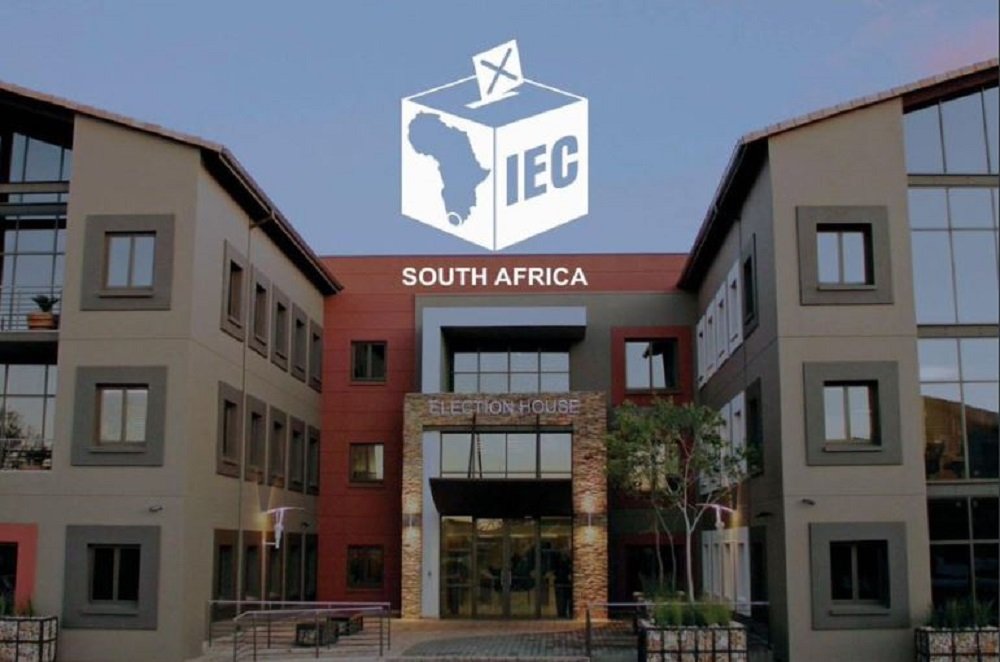
IEC Prepares for High-Stakes 2026 Local Government Elections Amid Stricter Disinformation Controls
PRETORIA – With the 2026 Local Government Elections set for November 4, the Electoral Commission of South Africa (IEC) is bracing for intense public and political scrutiny. As the nation gears up for the polls, the Commission has officially confirmed a massive field of contenders, with 142,072 candidates nominated to contest 10,526 council seats across the country.
The closing of the candidate nomination period this past Friday marked a significant milestone in the electoral calendar. However, the lead-up to these elections is occurring in an increasingly volatile information landscape. Addressing concerns regarding political contestation and the rise of digital manipulation, the IEC has reaffirmed its commitment to safeguarding the integrity of the ballot, emphasizing that public confidence in the electoral process is inseparable from trust in the institution itself.
“In a democracy, institutions must expect to be questioned, challenged, and held to account,” said Michael Currin, Deputy Director-General at the Government Communication and Information System. “The IEC has always welcomed scrutiny of its work, and the electoral process remains open to accredited neutral observers who play a vital role in transparency.”
In a strategic move to combat the growing threat of election-related misinformation and disinformation, the IEC has promulgated a new Electoral Code of Conduct specifically targeting digital integrity. Under these stringent guidelines, political parties and candidates are now legally required to verify information for accuracy before sharing it. They are mandated to publicly retract and correct any false or misleading content within 36 hours of being notified.
The code further introduces clear protocols regarding the use of modern technology in campaigns. Any AI-generated or “synthetic” content must be explicitly labelled, as must all political advertising, ensuring that voters know exactly who is responsible for the messaging they consume. The code also strictly prohibits deceptive practices such as bot networks, coordinated inauthentic behavior, doxing, and cyberbullying.
To enforce these standards, the Commission has designated the “Real411” platform as the official hub for reporting suspected digital disinformation. Citizens, parties, and organizations are encouraged to utilize the portal to flag content that undermines the credibility of the election or targets the independence of the IEC.
As the November 4 election date approaches, the IEC plans to deploy thousands of trained officials—including presiding officers and monitors—across voting stations nationwide. Political parties will also maintain their right to have representatives present at stations to ensure that counting procedures are observed and verified.
While the IEC encourages robust public debate and accountability, officials have cautioned against the erosion of institutional trust through unfounded attacks. As South Africa prepares to head to the polls, the Commission remains focused on its constitutional mandate: to protect the process through which citizens choose their representatives, ensuring that the democratic tradition established in 1994 continues to flourish.
Disclaimer: This content is auto-generated for informational purposes only.
Source: Read Original News