








The Strategic Significance of Leadership Transition at HDFC Bank
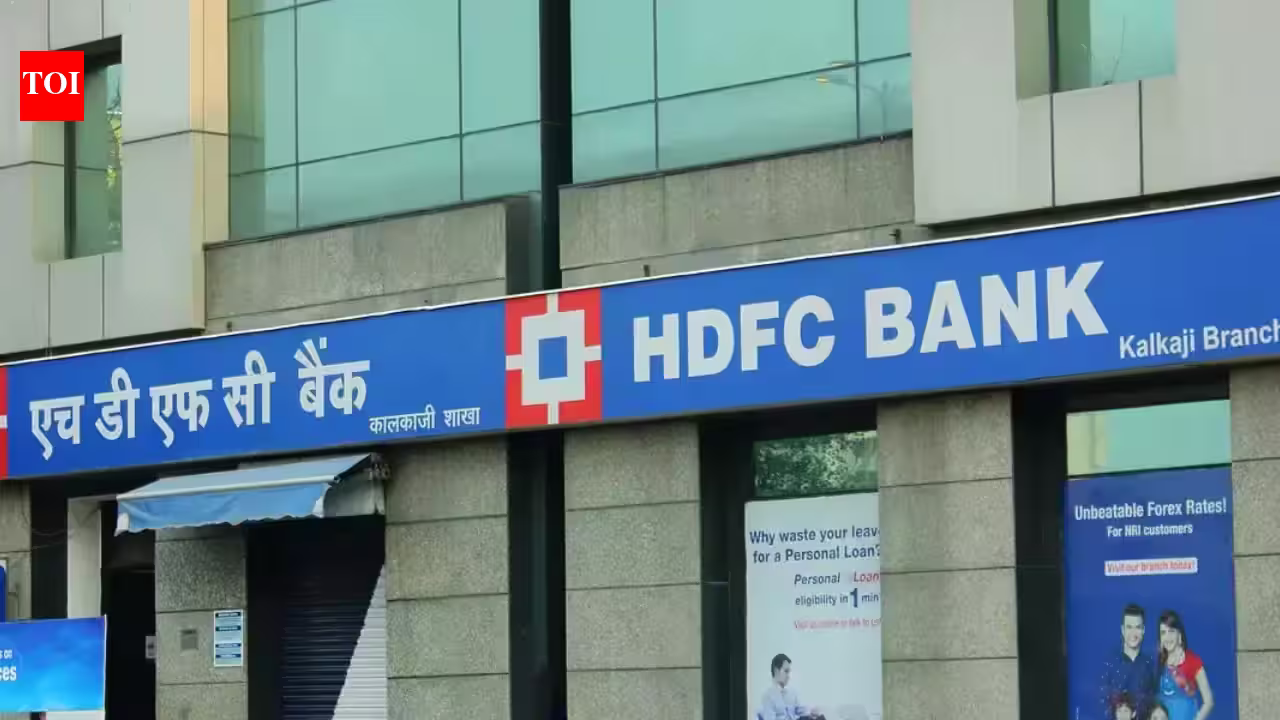
The banking sector in India is currently witnessing a critical period of evolution, headlined by the ongoing leadership transition at HDFC Bank, the nation’s largest private sector lender. The bank has formally submitted two candidates to the Reserve Bank of India (RBI) for the position of Managing Director and CEO, marking the official start of a process to succeed the current leader, Sashidhar Jagdishan. This transition is not merely a personnel change; it represents a pivotal moment for the institution as it navigates the post-merger integration of HDFC Ltd while contending with increasing regulatory scrutiny and market expectations.
In the Indian financial landscape, leadership stability at top-tier banks is viewed as a proxy for institutional health. For a systemic giant like HDFC Bank, the choice of a successor influences investor confidence, operational direction, and the bank’s ability to manage its vast portfolio of subsidiaries, including HDFC Life, HDFC AMC, and HDFC ERGO. By submitting its preferences well in advance of the October 2026 tenure expiry, the board is proactively mitigating the risks of instability. This forward-looking approach is characteristic of the bank’s history, which has long prided itself on rigorous talent pipeline management and a culture of internal leadership development.
Strengthening Governance and Institutional Oversight
Alongside the CEO selection, the board’s recent decision to restructure its senior management team serves a dual purpose: reinforcing internal governance and enhancing the oversight of its diverse subsidiary ecosystem. The appointment of chief credit officer Jimmy Tata as an executive director, subject to regulatory approval, is a strategic move to centralize risk management at the highest level of decision-making. With the complexities introduced by the mortgage business integration, having a seasoned expert in credit and risk management on the executive board provides a necessary buffer against market volatility and potential asset quality concerns.
Furthermore, the proposal to extend the tenure of executive director V. Srinivasa Rangan reflects the importance of continuity. Rangan, a veteran of the mortgage industry, brings essential expertise in treasury and capital management. His presence ensures that the institutional memory of the erstwhile HDFC Ltd is preserved, particularly as the bank integrates legacy housing finance portfolios into its retail banking structure. By expanding the number of whole-time directors to four, the board is creating a more robust framework for operational oversight, allowing the bank to delegate specialized responsibilities effectively while maintaining a centralized reporting structure for the CEO.
The Regulatory Context and Market Stability
The role of the RBI in the appointment of private bank leadership has become increasingly hands-on, focusing on long-term sustainability and the fitness of candidates to lead systemic institutions. The current regulatory environment in India demands that lenders prioritize governance, risk management, and ethical conduct. HDFC Bank’s recent steps to address concerns—ranging from bond-selling practices to managing deposits from public sector units—show a concerted effort to align with the regulator’s expectations.
Market participants have responded positively to these developments, as evidenced by the appreciation in HDFC Bank’s American Depositary Shares (ADS). Investors are clearly signaling that they value the predictability of the succession plan. For long-term investors, the removal of uncertainty surrounding the bank’s leadership is a critical factor in maintaining valuations. The collaboration between the bank’s board, led by chairperson Rajiv Kumar, and the regulator is expected to foster a smoother transition. The bank is positioning itself to be “back on rails,” moving past the integration hurdles and regulatory friction that characterized the immediate aftermath of the historic merger.
The Dynamics of the Succession Pipeline
The discussion regarding the next CEO has drawn significant attention from financial analysts, given the depth of talent within and outside the bank. Deputy Managing Director Kaizad M. Bharucha, with nearly three decades of experience at HDFC Bank, remains a formidable candidate. His deep understanding of corporate banking, wholesale credit, and retail assets makes him a natural fit to maintain the bank’s traditional strengths. However, the mention of other industry stalwarts—such as former SBI chairman Dinesh Khara or leaders from major private banking and insurance entities—highlights the board’s commitment to evaluating a broad talent pool.
This blend of internal grooming and external consideration is standard for institutions attempting to balance cultural continuity with the need for fresh perspectives. In the context of the Indian banking sector, the ability to steer a bank through massive digital transformation and intense competition from non-banking financial companies (NBFCs) and fintech players requires a leader who can innovate without compromising the fundamental principles of prudent lending. The incoming CEO will inherit a balance sheet that is far more complex than it was a decade ago, necessitating a leader with both high-level strategic foresight and an granular understanding of banking operations.
Adapting to the Future of Indian Banking
The structural changes occurring at the board level at HDFC Bank are emblematic of a broader trend among major Indian lenders to professionalize governance and institutionalize leadership. By creating an additional executive director position, the board is providing the incoming CEO with the flexibility to define their management team, which is a crucial aspect of organizational agility. This flexibility ensures that the bank does not remain static in an era where customer preferences, digital infrastructure, and regulatory requirements are shifting at an unprecedented pace.
Looking ahead, the success of this transition will be measured by the bank’s ability to sustain its credit growth, maintain its net interest margins, and effectively manage the integration of the retail mortgage franchise. The banking sector in India is poised for a significant expansion in the next few years, driven by a growing middle class and increasing credit penetration. HDFC Bank, being the market leader, serves as a benchmark for the entire industry. As the bank concludes its integration process and finalizes its new leadership, the focus will likely shift toward maintaining its market share and enhancing its technology-driven service delivery.
Ultimately, the proactive measures taken by the board represent a commitment to the bank’s long-term sustainability. By resolving leadership uncertainties and strengthening the senior management bench, HDFC Bank is fortifying itself against the challenges of a volatile macroeconomic environment. For the Indian banking ecosystem, this transition serves as a case study in effective corporate succession and the importance of alignment between institutional governance and regulatory standards. The transition is not merely about finding a successor; it is about ensuring that the organization remains a stable and reliable pillar of the Indian economy for the next generation of financial growth.
Disclaimer: This content is auto-generated for informational purposes only.
Source: Read Original News