





[
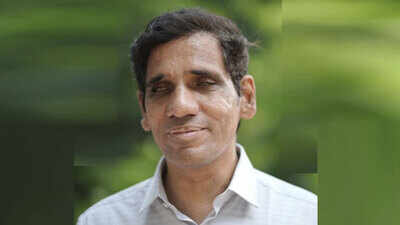
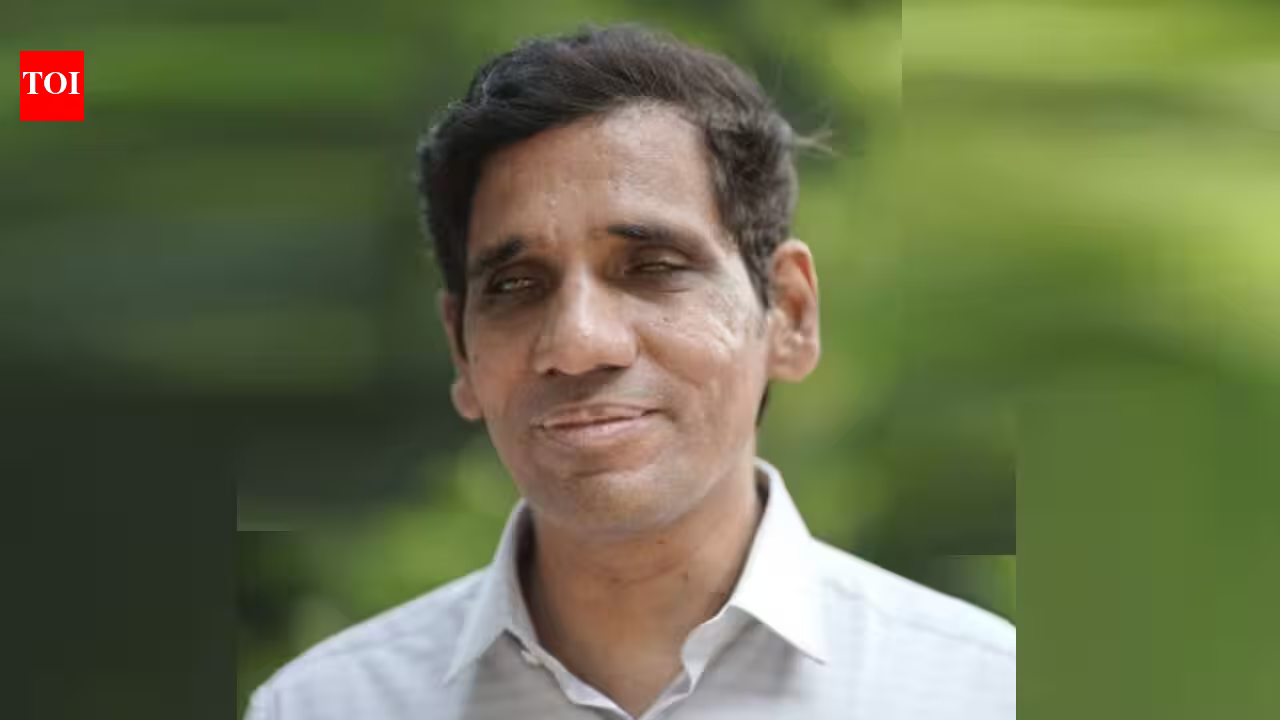
Breaking Barriers: Professor Hemachandran Karah’s Journey from Blind School to IIT Madras and Beyond
For many students, the educational journey is a well-trodden path of exams, competition, and career choices. But for Professor Hemachandran Karah, his trajectory from a blind school in Chennai to the hallowed halls of the University of Cambridge and ultimately, as an Associate Professor at IIT Madras, was paved with unique challenges – navigating an education system not always designed for visually impaired students.
Karah’s narrative transcends mere academic achievement; it is a compelling testament to how unwavering persistence, strategic mentorship, the judicious application of technology, and a belief in transformative education can dismantle preconceived notions about the capabilities of students with disabilities.
A Teacher’s Vision: Nurturing Dreams Beyond Limits
Professor Karah often credits the profound influence of his early educators, particularly his teacher, Vincent Sir. Unlike those who might inadvertently define ambitions by disability, Vincent Sir encouraged Karah to look beyond perceived limitations, even suggesting the audacious possibility of studying abroad. This pivotal mentorship became a cornerstone of Karah’s educational development.
His experience underscores the transformative power of a teacher who sees beyond textbooks. For students facing daunting circumstances, a mentor who instills belief can fundamentally alter the course of an entire life. Karah’s journey culminated in a PhD from the University of Cambridge, UK, and he now brings his unique perspective to IIT Madras, shaping the discourse on education and accessibility.
Beyond the Classroom: Championing Accessibility at IIT Madras
As an Associate Professor in the Department of Humanities and Social Sciences, Karah’s work extends significantly beyond traditional academic boundaries. He is a founding member and principal investigator of the Accessibility Research Centre (ARC) at IIT Madras. Through ARC, he and his colleagues delve into the multifaceted issues surrounding disability, developing teacher tutorials, and exploring how cultural institutions like museums can become truly accessible knowledge spaces.
For Karah, inclusion is not merely about providing specific facilities; it’s about fundamentally altering societal assumptions regarding people with disabilities. He challenges what he terms “common sense” barriers – the entrenched beliefs about what individuals with disabilities can or cannot study, what professions they can enter, or what careers they can pursue. His message resonates particularly strongly within education: accessibility should never equate to lowering expectations. Instead, it must focus on removing the systemic barriers that prevent students from reaching their full potential.
The Guide, Not the Parent: Fostering Independence in Higher Education
Karah’s pedagogical philosophy is deeply rooted in education as a pathway to independence. He views his role as a guide rather than a parental figure to his students, emphasizing that higher education encompasses more than academic performance. Universities, he believes, bear a crucial responsibility for students’ social integration and overall well-being.
This perspective is especially pertinent when discussing students with disabilities. An truly inclusive institution, in Karah’s view, should neither isolate students nor define them solely by their disabilities. Instead, it should actively cultivate an environment where all students can fully participate in both academic and social spheres.
Unveiling the World Through ‘Blind Photography’
One of the most intriguing aspects of Professor Karah’s work is his profound engagement with
For him, photography transcends merely looking through a lens and pressing a button. It is a multi-sensory experience involving sound, touch, dialogue, technology, collaboration, and the individual’s unique interpretation of a moment or place. He highlights the therapeutic and creative value of blind photography, enabling visually impaired individuals to participate in experiences such as capturing a day at the beach. It also serves as a vital tool for those experiencing sight loss, helping them maintain a deep connection with their surroundings.
Furthermore, blind photography can evolve into a significant research tool, with visually impaired photographers collaborating with sighted “co-creators” to document and articulate visual experiences. In this sense, it becomes a powerful mechanism for continually questioning and redefining societal perceptions of disability.
Education: Removing Barriers, Not Aspirations
Professor Karah’s remarkable journey, from a specialized school for visually impaired students to the pinnacle of academia at Cambridge and IIT Madras, offers a profound message that transcends his individual accomplishments. He stands as living proof that true inclusion is not about forging a separate definition of success for people with disabilities, but about ensuring that disability never becomes an artificial constraint on ambition.
His ongoing work at IIT Madras, his groundbreaking research in Disability Studies, and his tireless efforts to make knowledge spaces genuinely accessible are all extensions of this core philosophy. Beyond his academic pursuits, Karah finds solace and emotional connection in music, particularly the compositions of Ilaiyaraaja, which he describes as therapeutic.
Ultimately, his story provides an invaluable lesson for students, teachers, and institutions alike: the true purpose of education is not simply to prepare students to pass examinations. It is to empower them with the confidence, opportunity, and freedom to envision possibilities that others might never have conceived for them. And sometimes, the most transformative beginning is a teacher who simply tells a student to dream bigger.