






The Hunger Strike That Shook Delhi: How Sonam Wangchuk Fueled India’s Student Uprising
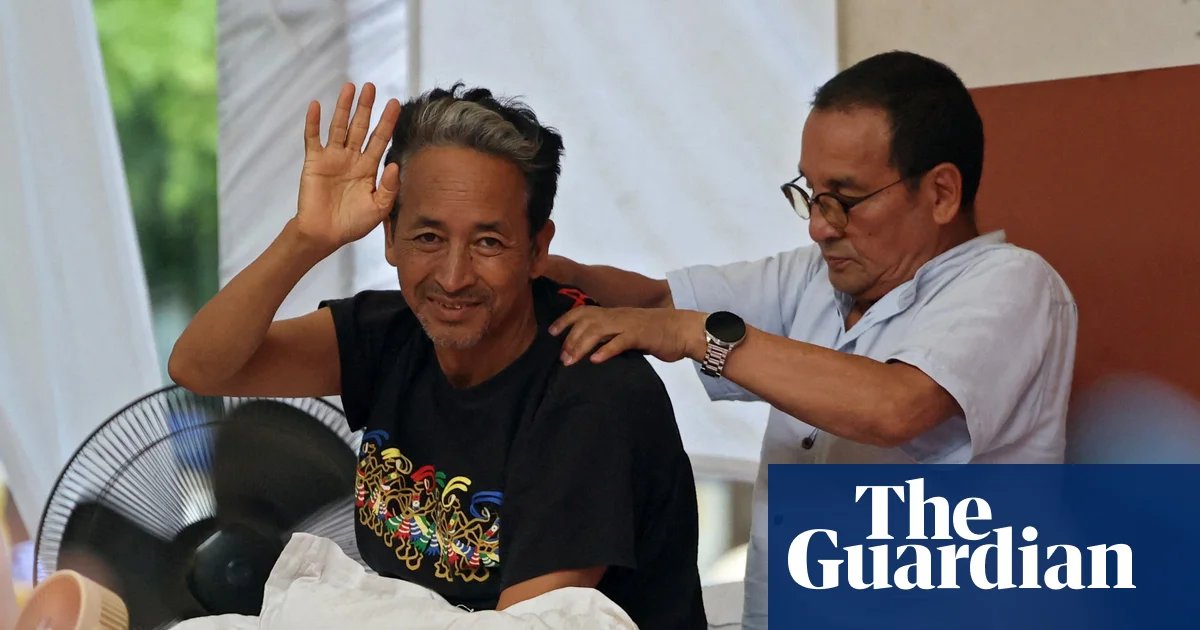
For 26 harrowing days, India watched as environmentalist and education reformer Sonam Wangchuk slowly wasted away on a makeshift stage in the heart of Delhi. His hunger strike, initiated on June 28, would become one of the most politically consequential acts of civil disobedience in modern Indian history, acting as the vital catalyst for the youth-led “Cockroach” movement.
The protest movement, which emerged in May following the cancellation of a high-stakes national medical entrance exam, had initially struggled to maintain momentum. The exam’s cancellation—caused by a massive paper leak—impacted over two million students and, according to reports, drove more than a dozen to take their own lives. When Abhijit Dipke, the founder of the movement, sought accountability, the government appeared unmoved.
The movement derived its provocative name from the remarks of India’s chief justice, Surya Kant, who had infamously compared unemployed young people to “cockroaches and parasites” during a court hearing. By adopting the label, the youth turned a derogatory insult into a badge of defiance.
A Catalyst for Change
As the Delhi heat reached torturous levels and the physical toll of the fast became apparent, Wangchuk’s sacrifice breathed new life into the cause. A respected figure known for his work in Ladakh—including the invention of “ice stupas” to combat water scarcity—Wangchuk’s involvement transformed the student protest into a national reckoning.
“I felt confined, trapped … like a prison,” Wangchuk told the Guardian regarding the grueling conditions of his fast. “The heat and humidity were awful.”
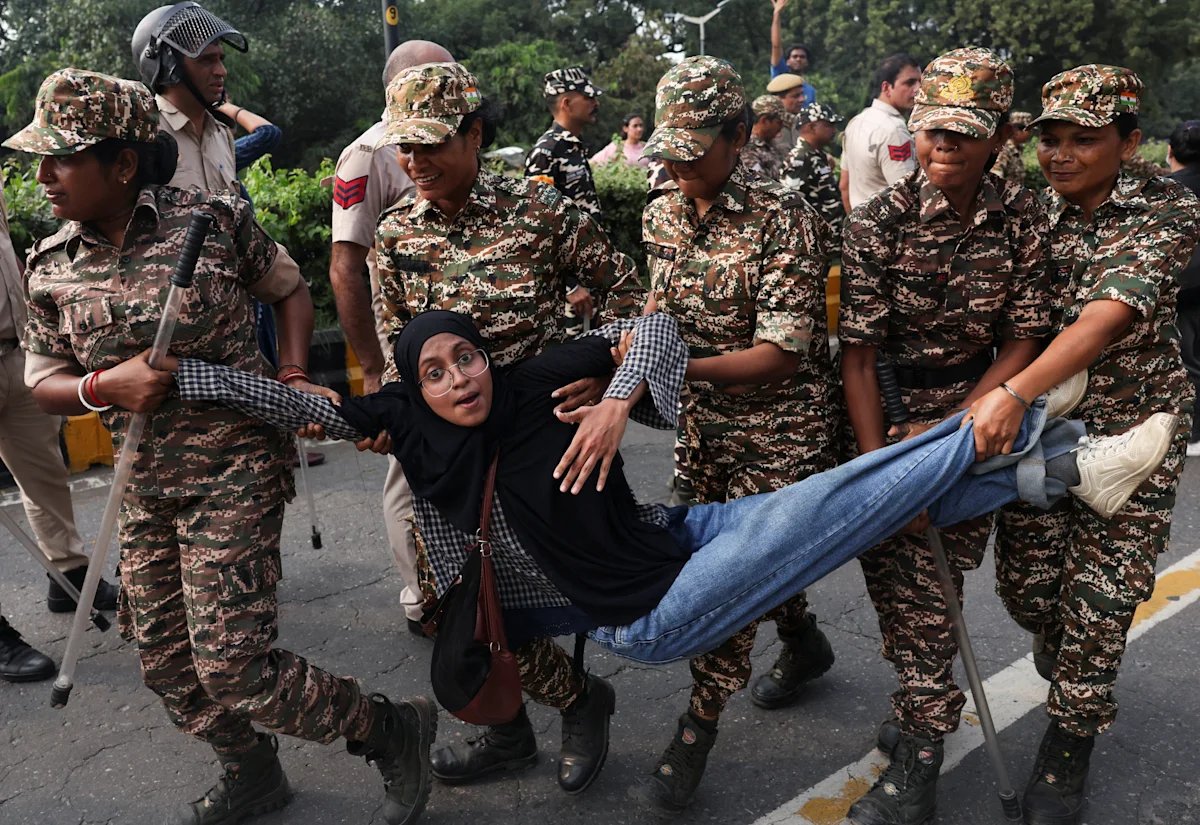
The turning point came when police forcibly removed the frail activist from the protest site and took him to a hospital. Footage of his weakened frame being dragged away went viral, sparking nationwide outrage. The government’s crackdown, intended to silence dissent, instead galvanized the public. On July 25, just one day after Wangchuk broke his fast, the embattled education minister, Dharmendra Pradhan, officially resigned.
Beyond a Single Resignation
While the movement celebrated its victory, Wangchuk remains focused on the broader implications of this political uprising. Having once been a supporter of the Bharatiya Janata Party (BJP) before becoming a vocal critic, Wangchuk spent six months in prison last year under anti-terror laws for his activism in Ladakh.
He views the Cockroach movement’s success not as a destination, but as a reclaiming of political agency. “They have stripped away the curtain of fear that existed,” Wangchuk said. “They are now engaged. They have tasted success in getting results and I expect them to continue.”
A New Path Forward
Back home in Ladakh and currently in the process of recovering his health, Wangchuk is now turning his attention toward systemic reform. In a message delivered ahead of India’s Independence Day, he called for a “second independence movement,” urging citizens to demand integrity from their leaders.
He is currently working to compile a list of individuals of “character and substance” to help clean the electoral process of criminal influence. Despite the pressure to turn the Cockroach movement into a political party, Wangchuk has advised against it, encouraging the youth to remain a powerful, independent pressure group that can hold the state accountable without succumbing to the compromises of party politics.
For now, the man who nearly faced organ failure for his principles is enjoying the simple things, including the harvest of his beloved apricots in Ladakh. Yet, the political landscape he helped shift remains forever changed, with a new generation of Indians finding their voice against a backdrop of systemic distrust.