







India Eyes French FCAS Model to Bridge Critical Fighter Jet Capability Gap
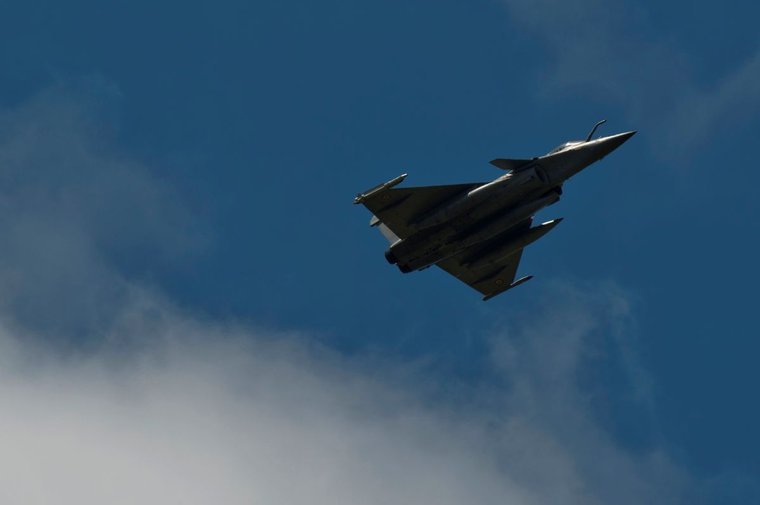
NEW DELHI — Faced with a shrinking fighter squadron fleet and a rapidly shifting geopolitical landscape, India is recalibrating its defense strategy. The Indian Air Force (IAF) is increasingly looking toward a collaborative sixth-generation ecosystem, signaling a pivotal move away from traditional platform acquisition toward the French Future Combat Air System (FCAS) model.
This strategic pivot follows a stark warning delivered by the IAF to Parliament in March, emphasizing that India "cannot fall behind" in the global race for next-generation combat aviation. The urgency of this mandate has been further amplified by the recent Mecca Joint Defence Agreement, which has strengthened military ties between Pakistan, Saudi Arabia, and Turkey, potentially altering the regional balance of power.
A Squadron Crisis
The pressure on New Delhi is compounded by persistent operational challenges. India’s current fighter squadron strength has dwindled to 29—significantly below the authorized requirement of 42.5. While the indigenous Advanced Medium Combat Aircraft (AMCA) program is currently in the pre-prototype stage, the time required to bring such complex systems to full operational status has necessitated a broader, more integrated approach.
Embracing the FCAS Ecosystem
According to disclosures made in the Standing Committee on Defence’s 25th report on August 7, the Ministry of Defence is actively exploring a framework modeled after the French FCAS. Unlike traditional procurement, where the host nation simply buys off-the-shelf jets, the FCAS model prioritizes co-development.
By integrating into a sixth-generation ecosystem, India aims to share the astronomical costs and technical risks of next-generation warfare. This shift would allow the IAF to move beyond the acquisition of mere hardware, focusing instead on the interconnected technologies that will define future air superiority, including unmanned wingmen, advanced data links, and AI-driven combat coordination.
The Path Ahead
While the partnership with France remains in the exploratory phase, it represents a bold departure from India’s historical procurement patterns. Industry analysts suggest that by partnering with established European frameworks, New Delhi hopes to accelerate its domestic manufacturing goals under the ‘Make in India’ initiative while simultaneously closing the capability gap with its adversaries.
As the IAF continues to manage its aging fleet, the move toward a collaborative sixth-generation future is being viewed not merely as a technological upgrade, but as a strategic necessity to ensure long-term air dominance in a volatile region.