







Huawei Unveils Watch D3: A Medical-Grade Blood Pressure Monitor for Your Wrist
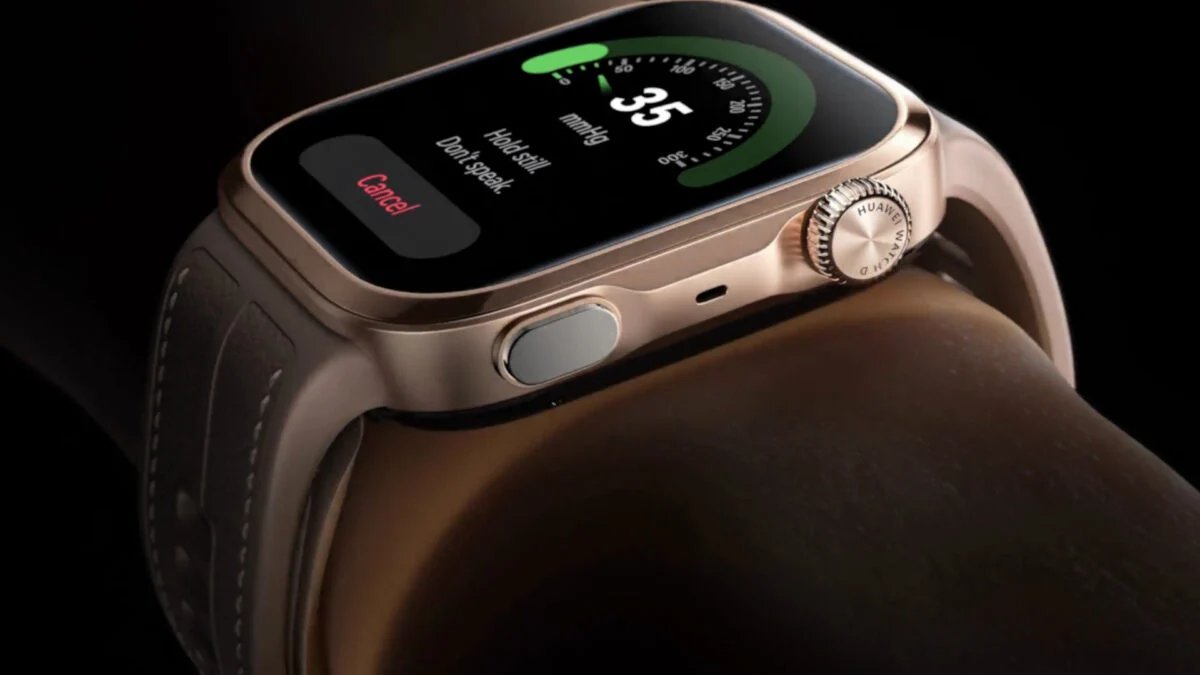
In a significant leap forward for wearable health technology, Huawei has announced the launch of the Huawei Watch D3. Unlike standard smartwatches that rely solely on optical sensors, this device integrates a miniaturized inflatable diaphragm directly into the watch strap, allowing it to function as a clinical-grade blood pressure cuff.
Beyond Optical Sensors
While many modern wearables track heart rate and attempt to infer cardiovascular health through pulse wave analysis, Huawei’s approach is fundamentally different. By utilizing an inflatable mechanism, the Watch D3 replicates the functionality of a traditional sphygmomanometer found in a doctor’s office. This allows for both on-demand readings and continuous Ambulatory Blood Pressure Monitoring (ABPM), providing users with a comprehensive, professional-grade overview of their heart health throughout the day.
The device is designed to provide actionable health insights by prompting users to take readings during specific windows, such as before and after exercise, or when environmental stressors like sudden shifts in temperature or altitude are detected.
A Slimmer, More Stylish Profile
Despite the complex hardware required to facilitate blood pressure inflation, the D3 represents a significant design evolution. As the company’s third iteration of this technology, it is the first to closely mirror the aesthetic of a premium, everyday smartwatch.
The device features a vibrant 1.92-inch AMOLED display capable of reaching 3,000 nits of peak brightness. Remarkably, Huawei has managed to condense the internal engineering into a chassis that is just 0.44 inches (11.3mm) thick and weighs only 40 grams. The newly redesigned, narrower airbag strap not only improves wearer comfort but also contributes to a more polished look, available in Mocha Gold, Gold, and Black finishes.
The Competitive Landscape
The health-tracking market remains sharply divided in its approach to blood pressure. Industry giants like Apple and Google typically focus on tracking long-term trends rather than providing specific systolic and diastolic numbers, largely to navigate the complex regulatory hurdles associated with medical diagnostic tools. Meanwhile, newer entrants are attempting to use advanced AI algorithms to estimate pressure without physical inflation.
Huawei has chosen a path of precision, prioritizing hardware-based accuracy to deliver data that bridges the gap between consumer electronics and medical equipment.
Pricing and Availability
The Huawei Watch D3 is set to retail for £400 (approximately $540). However, due to ongoing regulatory and trade restrictions, the device will not be available in the United States market, leaving it as an exclusive option for international consumers looking for the most robust blood pressure monitoring solution currently available on a wrist-worn device.