








Pakistan Overhauls Test Setup Following England Series Defeat: A Historical Parallel to India’s 2014 Shake-up
In a dramatic response to their ongoing struggles on English soil, the Pakistan Cricket Board (PCB) has initiated a massive restructuring of its Test cricket team. Following a crushing 194-run defeat at Lord’s, which handed England an unassailable 2-0 lead in the three-match series, the board has opted for a “scorched earth” policy, dropping seven players and removing two key members of the coaching staff ahead of the third Test in Birmingham.
A Radical Personnel Shift
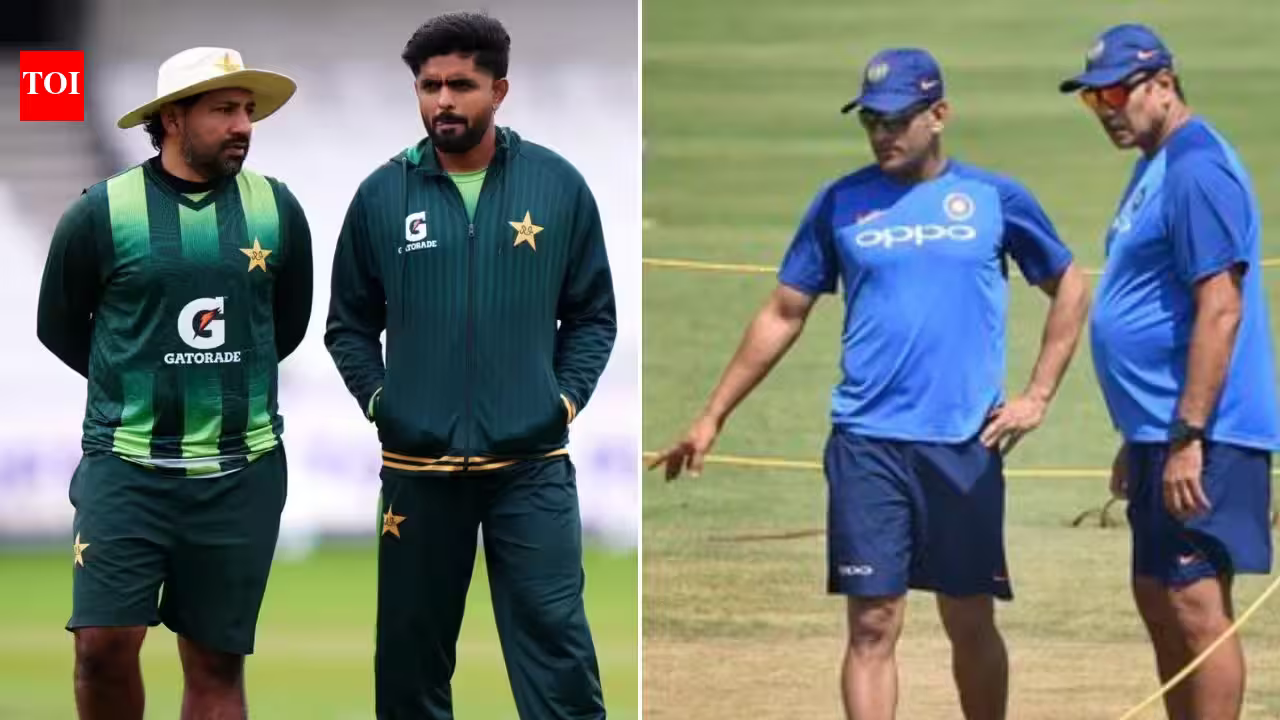
The sweeping changes signal a loss of faith in the current leadership and squad composition. Head coach Sarfaraz Ahmed and bowling coach Umar Gul have been recalled to Pakistan, effectively ending Sarfaraz’s turbulent three-month tenure. During his time at the helm, Pakistan suffered five losses across six away Tests, including recent setbacks against Bangladesh and the West Indies.
In their place, the PCB has appointed white-ball head coach Mike Hesson and bowling coach Ashley Noffke to manage the squad for the final Test, which begins on September 9.
The player cull is equally significant. Seven members of the touring party, including wicketkeeper Mohammad Rizwan, opener Imam-ul-Haq, Salman Ali Agha, Ali Usman, and Khurram Shahzad, have been dropped. Furthermore, all-rounder Aamir Jamal and batter Awais Zafar—who did not feature in any matches during the tour—are also returning home.
The pressure remains squarely on captain Babar Azam. Since reclaiming the Test captaincy in May, replacing Shan Masood, the team has struggled for consistency, drawing a series with the West Indies before the current collapse in England. Pakistan’s recent record is abysmal, with the team having lost 10 of their last 11 away Test matches.
Drawing Parallels to History
The PCB’s decision to disrupt the team structure mid-tour draws inevitable comparisons to India’s 2014 tour of England. Much like Pakistan’s current predicament, India faced a dismal end to their Test campaign back then, suffering a humiliating innings-and-244-run defeat in the final match at The Oval.
Seeking to salvage the remainder of the tour, the BCCI opted for a bold coaching shake-up. They appointed former captain Ravi Shastri as the Director of Cricket and brought in Sanjay Bangar, Bharat Arun, and R. Sridhar as assistant coaches, while granting “breaks” to then-bowling coach Joe Dawes and fielding coach Trevor Penney.
The move proved effective for India at the time; the team bounced back to win the subsequent five-match ODI series 3-1, showcasing the impact that tactical leadership changes can have on team morale.
As Pakistan prepares for the final Test in Birmingham, the world of cricket waits to see if this drastic overhaul will provide the “re-energizing” effect that the BCCI successfully leveraged a decade ago, or if deeper structural issues will continue to plague the side.